
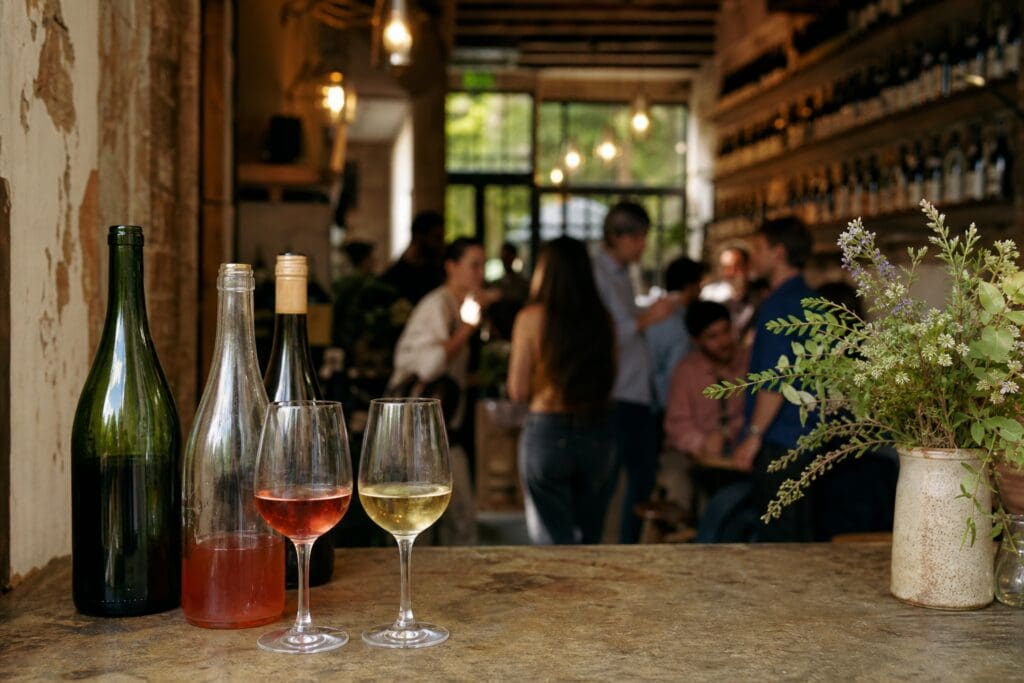
Why has natural wine become so popular in London? The short answer is that it fits the city’s appetite for flavour, discovery and more thoughtful drinking. Across wine bars, restaurants, bottle shops and dinner tables, Londoners have embraced wines that feel lively, personal and a little less predictable. Natural wine is no longer only a niche interest for sommeliers; it has become part of how many people explore food, socialise and choose what to drink.
What do people mean by natural wine?
Natural wine is not a legally protected term in the UK, so definitions can vary. In general, it refers to wine made with minimal intervention in the vineyard and cellar. Grapes are often grown organically or biodynamically, fermented with native yeasts, and handled with fewer additives than conventional wines. Many natural winemakers avoid heavy filtration, aggressive manipulation and high levels of sulphur dioxide.
That does not mean every bottle tastes wild or cloudy. Some natural wines are fresh, bright and clean. Others are earthy, savoury, fizzy, hazy or unusual. This range is part of the appeal. Natural wine can include red, white, rosé, orange, sparkling and pét-nat styles, from easy-drinking bottles to complex wines that need time and attention.
For consumers, the important point is not a strict technical checklist. It is the idea that wine can express a place, a grape and a maker’s choices with fewer layers between the vineyard and the glass.
Why has natural wine become so popular in London?
London is a city built on curiosity. People come here to eat, drink and discover things they may not find elsewhere. That makes it a natural home for wines that are diverse, conversation-starting and often linked to small producers.
Natural wine also arrived at the right cultural moment. Many consumers now care more about where products come from, how they are made and whether they feel authentic. The same thinking has shaped interest in sourdough, speciality coffee, craft beer, farmers’ markets and seasonal menus. Natural wine sits neatly in that world.
There is also a strong social side. A bottle of natural wine can feel less formal than a traditional prestige label. It invites questions: Why is it cloudy? Why does it smell like cider, herbs or bruised apple? Why is this red served chilled? For many London drinkers, that makes the experience more relaxed and more fun.
London’s food scene helped natural wine grow
London’s restaurants have played a major role in making natural wine more visible. The city’s dining culture has moved beyond rigid fine dining categories. You can now find excellent food in small neighbourhood restaurants, counter dining spots, sharing-plate venues and pubs with serious kitchens. Natural wine works well in these settings because it often feels informal while still being thoughtful.
A natural partner for seasonal cooking
Many natural wines have freshness, acidity and texture that pair well with modern restaurant food. They can lift rich dishes, balance fermented flavours and complement vegetable-led menus. Orange wines, for example, can suit spiced dishes, grilled vegetables, cheeses and dishes with depth. Lighter reds served slightly chilled can work beautifully with charcuterie, roast chicken, mushrooms or oily fish.
Chefs who focus on seasonal ingredients often appreciate wines made with a similar respect for farming and origin. The connection may not be perfect in every case, but the shared philosophy is clear: less standardisation, more character.
Sommeliers made it easier to understand
Natural wine could have stayed intimidating if it had only been discussed in technical language. Instead, many London sommeliers and wine bar staff have helped make it approachable. Rather than asking customers to memorise regions and classifications, they often talk about flavour, mood and food.
A typical recommendation might be: “This is juicy, lightly sparkling and good with salty snacks,” or “This white has a bit of skin contact, so it feels textured rather than sharp.” That style of service suits people who want to learn without feeling tested.
A younger drinking culture wants something different
Natural wine has benefited from a shift in how people drink. Many consumers, especially younger adults, are less attached to old wine rules. They may not care whether a bottle fits a classic idea of what Burgundy, Bordeaux or Rioja should taste like. Instead, they look for something memorable, ethical, attractive or simply enjoyable.
This does not mean traditional wine is being rejected. London still has a deep market for classic regions and fine wine. But natural wine has opened another door, especially for people who once thought wine felt formal, expensive or full of hidden codes.
Several qualities have made natural wine appealing to this audience:
- Distinctive labels: Many bottles use bold, playful or artistic designs that stand out on shelves and tables.
- Lower formality: Natural wine culture often feels more relaxed, with fewer strict rules about glassware, temperature or tasting language.
- Conversation value: Unusual flavours, grape varieties and production methods make bottles feel shareable and interesting.
- Perceived transparency: Drinkers often like knowing that a wine comes from a small producer with a hands-on approach.
- Food flexibility: Fresh, lighter styles can suit casual meals, snacks and mixed plates.
In a city where people are constantly trying new restaurants, pop-ups and cuisines, natural wine feels well suited to the pace.
The rise of neighbourhood wine bars and bottle shops
One reason natural wine feels so present in London is that it has found welcoming spaces beyond traditional wine merchants. Neighbourhood wine bars and bottle shops have become important cultural hubs. They are often small, personal and carefully curated, with staff who know the producers and can explain the wines in plain language.
These places have changed how people buy wine. Instead of choosing a bottle based only on a familiar region or supermarket discount, customers can describe what they like: bright, juicy, savoury, crisp, funky, soft, low-tannin or good with spicy food. The recommendation becomes more personal.
Wine bars also make natural wine easier to try by the glass. That matters because not everyone wants to commit to a full bottle of something unfamiliar. A glass of cloudy pét-nat or skin-contact white can be a low-risk introduction. If someone enjoys it, they may return to buy a bottle or try a more adventurous style next time.
Social media made natural wine more visible
Natural wine is highly shareable. Its labels photograph well, its colours can be striking, and its stories are easy to discuss. On social media, a bottle can look as much like a design object as a drink. That visual appeal has helped natural wine reach people who might not read wine magazines or follow traditional critics.
But the online appeal is not only about aesthetics. Natural wine also suits the way people now discover places to eat and drink. A photo of a small wine bar, a chilled red in a simple glass, or a shelf of colourful bottles can quickly communicate a mood: relaxed, independent, creative and a little offbeat.
Of course, visibility can create hype. Some bottles become fashionable because they are hard to find or associated with certain venues. Even so, the attention has helped broaden the audience. Many people first encounter natural wine through a friend’s post, then try it in a bar or restaurant.
Sustainability and ethics matter to London drinkers
The popularity of natural wine is also linked to wider interest in sustainability. Many consumers want food and drink choices that feel more considered. They may look for organic farming, biodiversity, lower intervention, smaller-scale production and less industrial processing.
Natural wine does not automatically guarantee every environmental benefit. Transport, packaging, farming conditions and cellar practices all matter. Because the term is broad, consumers should avoid assuming that every natural wine is equally sustainable. Still, the category often encourages questions that are worth asking.
People may want to know:
- How were the grapes grown?
- Does the producer farm organically or biodynamically?
- Are additives used sparingly?
- Is the wine made by a small, independent grower?
- Does the importer share clear information about the bottle?
In London, where many consumers are used to asking similar questions about coffee, bread, meat, fish and vegetables, this approach feels familiar.
The flavour profile suits a changing palate
Natural wine has become popular partly because many bottles taste different from the polished styles people may associate with mass-market wine. They can be brighter, fresher, more savoury or more textural. Some have a gentle spritz. Some are lower in alcohol. Some are deliberately rustic, while others are precise and elegant.
This variety appeals to drinkers who enjoy acidity, freshness and food-friendly flavours. It also suits people moving from craft beer, cider or kombucha into wine. A pét-nat can feel lively and casual. An orange wine can offer tannin and spice in a way that surprises white wine drinkers. A light red can be refreshing rather than heavy.
There is also a growing interest in serving wine differently. Chilled reds, cloudy sparkling wines and textured whites challenge old habits in a good way. They make wine feel less fixed and more playful.
Is natural wine always better?
No. Natural wine can be exciting, but it is not automatically better than conventional wine. Some bottles are beautifully made. Others can be unstable, unbalanced or simply not to someone’s taste. A wine being natural does not excuse poor winemaking.
It is also worth remembering that conventional wine is a broad category. Many excellent producers who do not use the natural wine label still farm carefully and make expressive wines. Likewise, some natural producers make clean, classic-tasting bottles that would not seem strange to traditional wine drinkers.
The best approach is to judge the wine in the glass. Does it taste good? Does it suit the moment? Does it offer value? Does it make you want another sip? These questions matter more than labels or fashion.
How to choose natural wine in London without feeling lost
Natural wine can be confusing at first, especially because grape varieties, regions and styles may be unfamiliar. The good news is that you do not need expert knowledge to enjoy it. A few simple habits can help.
When choosing a bottle, think about:
- Flavour words: Ask for bright, juicy, crisp, savoury, floral, earthy, spicy or soft.
- Food plans: Mention what you are eating, as texture and acidity matter for pairing.
- Adventure level: Say whether you want something gentle or something more unusual.
- Serving style: Some natural reds are best chilled, while some whites benefit from not being too cold.
- Budget: Good staff can usually suggest an interesting bottle within a clear price range.
If a bottle tastes unusual, give it a moment. Some natural wines change in the glass as they warm up or breathe. That said, you are not obliged to like every style. Personal taste still comes first.
Frequently Asked Questions
Is natural wine the same as organic wine?
Not always. Organic wine follows specific farming rules, while natural wine usually refers to a broader low-intervention approach. Many natural wines are made from organic or biodynamic grapes, but the terms are not identical.
Why are some natural wines cloudy?
Cloudiness often comes from minimal filtration or fining, leaving tiny particles in the wine. It is not automatically a fault, although the wine should still taste balanced and enjoyable.
Does natural wine contain sulphites?
Most wines contain some sulphites, either naturally from fermentation or added in the cellar. Natural winemakers often use lower amounts, but sulphite-free wine is not the norm.
Is natural wine more expensive in London?
It can be, especially when bottles come from small producers and specialist importers. However, prices vary widely, and many wine bars and shops offer accessible options by the glass.
What is the best natural wine for beginners?
A fresh pét-nat, a juicy chilled red or a clean, crisp white can be a friendly starting point. It helps to ask for something approachable rather than extremely funky.
The lasting appeal of natural wine in London
Natural wine has become popular in London because it matches the city’s tastes and values. It is social, curious, food-friendly and full of personality. It speaks to drinkers who want more than a familiar label, while still leaving room for pleasure and simplicity.
The trend may continue to evolve, and not every bottle will please every palate. Yet natural wine has already changed the way many Londoners talk about wine. It has made the category feel more open, more creative and more connected to the people who make it. For a city that loves discovery, that is a powerful combination.