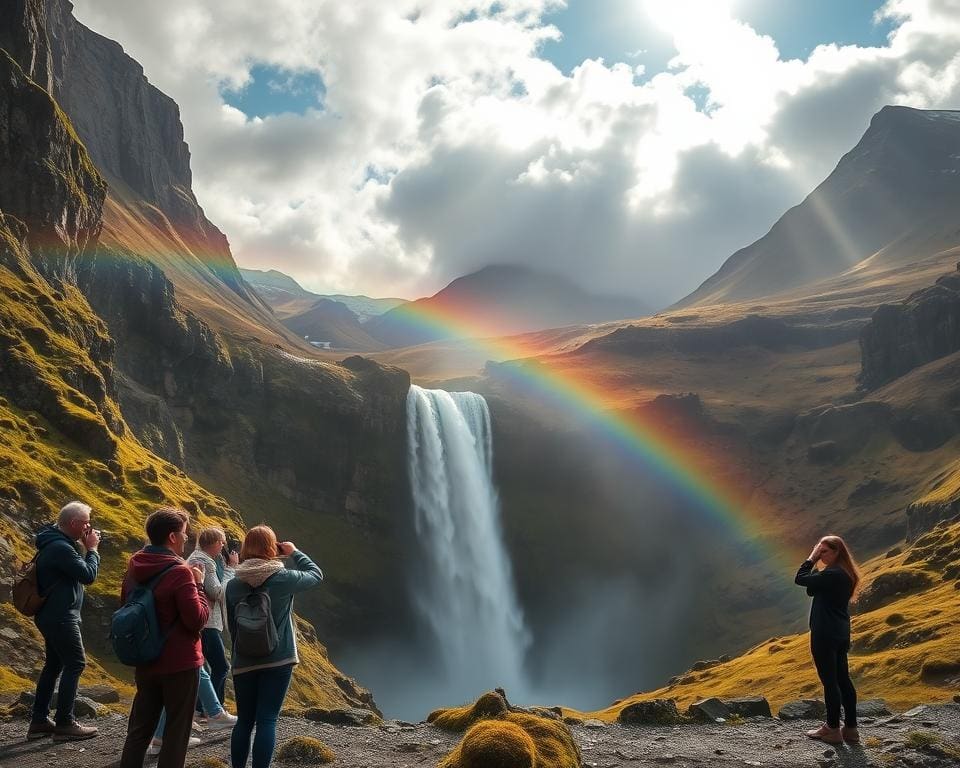
You should consider Iceland for your next trip because it combines landscapes you rarely find elsewhere with easy access from the UK. The island nation sits in the North Atlantic and pairs volcanic lava fields with vast glaciers, steaming geothermal vents and jagged coastlines. That contrast is at the heart of why visit Iceland: dramatic scenery that feels elemental and immediate.
Getting to Iceland from the UK is straightforward. Keflavík International Airport (KEF) has frequent direct flights from Heathrow, Gatwick, Manchester and Edinburgh, served by Icelandair, easyJet and British Airways. Short flight times and reliable schedules make a weekend escape or a longer road trip both feasible, which is a practical Iceland travel reason worth noting.
Iceland is also a safe and well-served destination. It ranks highly on global safety indices, and the Ring Road (Route 1) plus good tourist services make independent travel comfortable. Whether you want active days on glaciers or relaxed hours in geothermal pools, infrastructure and hospitality support a wide range of plans.
The island has true year-round appeal. Winter brings the Northern Lights and ice caves; summer offers the midnight sun, extended hikes and puffin colonies. This seasonal variety explains many an Iceland must-see list, since each visit can focus on different experiences without losing the sense of discovery.
Beyond scenery, you will find a spread of activities from glacier hiking and snorkelling in Silfra to lakeside hot springs and the spa culture around the Blue Lagoon. Wildlife and photography opportunities—from whale watching in Húsavík to seabird colonies—add further reasons to put Iceland on your travel bucket list.
Finally, Iceland’s growing emphasis on renewable energy and conservation appeals if you care about sustainable travel. Combining practical points like easy flights and safety with inspirational reasons such as unique landscapes and once-in-a-lifetime phenomena makes the case clear: these are solid Iceland travel reasons to include it on your bucket list.
Iceland bucket list: must-see natural wonders and experiences
Iceland packs a rare mix of raw landscapes and memorable activities. Your Iceland bucket list attractions should span glaciers, thundering waterfalls, steaming geothermal fields and the sky shows of the north. The items below group key sights with practical tips so you can plan routes that fit time and season.
Glaciers, ice caves and glacier hiking
Start with Vatnajökull and its outlet valleys. Skaftafell and Jökulsárlón give access to icebergs and nearby glacier tongues. Sólheimajökull and Mýrdalsjökull on the South Coast are popular for guided hikes. Langjökull is known for ice-tunnel tours.
Book certified guides from operators such as Arctic Adventures or Glacier Guides. Guided glacier hikes and seasonal ice-caving tours demand crampons, helmets and specialist kit. Ice-cave access is typically November–March. Never attempt unguided glacier travel.
Waterfalls and coastal scenery
Plan stops at Gullfoss in the Golden Circle, Seljalandsfoss where you can walk behind the curtain of water, and Skógafoss with its broad viewing platforms. In the north, Dettifoss delivers raw power. Svartifoss in Skaftafell stands out for basalt columns.
Coastal highlights include Reynisfjara’s black sand near Vík, Jökulsárlón glacier lagoon with icebergs and Diamond Beach, plus the cliffs of Látrabjarg for seabird colonies. Wear waterproof clothing and sturdy footwear. Heed local warnings about sneaker waves and unstable edges.
Geothermal areas and hot springs
The Blue Lagoon near Keflavík is a flagship spa built on geothermal seawater. Mývatn Nature Baths offer a quieter northern alternative. Visit the Geysir area to watch Strokkur erupt and walk the geothermal trails in Reykjadalur for a hot-river soak.
Wild hot springs exist in places such as Landmannalaugar and the Seljavallalaug pool. Check local guidance before bathing. Commercial baths require bookings and etiquette includes showering before entering pools. Pack swimwear, sandals and a towel.
Northern Lights and midnight sun
Northern Lights Iceland sightings are best between late September and early April when nights are long and skies clear. Seek locations with low light pollution like Þingvellir, the Westfjords, Akureyri and Mývatn. Consider guided aurora tours that monitor solar activity.
Midnight sun Iceland runs from late May to late July. Prolonged daylight favours long hikes and evening photography. Book accommodation with blackout options if you need restful sleep. Plan late starts or night-time excursions to make the most of the golden light.
- Practical tip: match each attraction to the season; glaciers and ice caves require winter access, while midnight sun activities need summer dates.
- Safety tip: use certified operators for glacier work and follow local advisories at coasts and geothermal sites.
- Packing note: waterproof layers, sturdy boots and flexible booking plans will keep your trip resilient to weather changes.
Practical planning: when to go, how to get around and budget tips
Deciding when to visit Iceland shapes your whole trip. Your priorities—Northern Lights, hiking or highland access—should guide the timing. Use these pointers to balance weather, daylight and crowds so your plans match what you want to experience.
Winter (November–March) is best for aurora hunting, ice-caving and dramatic snowy landscapes. Expect short daylight hours and tricky roads. Drive only if you have winter experience or book guided winter tours.
Shoulder seasons (April–May, September–October) give a good middle ground. You’ll find fewer visitors, improving weather in spring and autumn aurora chances in September and October.
Summer (June–August) opens F-roads and highland tracks for hiking and birdwatching. You can enjoy the midnight sun and long days. Peak months are busier and more costly, especially July.
Getting to Iceland and internal transport
Flights to Iceland are frequent from UK airports. Carriers such as Icelandair, easyJet and British Airways run direct services to Keflavík. Flight times vary from roughly 2.5 to 3.5 hours depending on departure point.
Keflavík sits about 45–60 minutes from Reykjavík. You can reach the city by shuttle bus, coach or rental car. Book transfers and hire cars early during busy months to secure better rates.
For getting around Iceland, renting a car gives flexibility for a Ring Road itinerary. Choose a 4×4 for access to highland F-roads. If you prefer not to drive, opt for organised small-group tours or coach day trips.
Public transport is limited outside Reykjavík and Akureyri. Buses link some towns, but schedules are sparse for remote attractions. Check road.is and vedur.is for live road and weather updates before setting off.
Budgeting and saving on your trip
Iceland tends to be pricier than the UK for dining and many services. Expect higher costs for restaurants, hotels and guided activities due to import and operating expenses.
Use practical Iceland budget tips to keep costs down. Self-cater from supermarkets like Bónus and Krónan, pick guesthouses or hostels instead of premium hotels and book flights to Iceland and car hire well ahead for better prices.
Look for combo deals on excursions, such as glacier and lagoon packages, and consider multi-day guided tours to reduce driving needs. Credit and debit cards are widely accepted, so carry little cash; check your bank for foreign transaction fees.
Safety, insurance and final touches
Buy travel insurance that covers winter activities and glacier excursions. Add rental car cover for gravel damage if you plan to use rural roads. Keep an eye on the weather and adjust plans as conditions change.
Use these Iceland travel tips when you plan. A little preparation saves time and stress, leaving you free to enjoy the island’s dramatic scenery.
Cultural highlights, local cuisine and responsible travel
You will find Iceland culture woven into the landscape and city life. In Reykjavík, visit Harpa Concert Hall, Hallgrímskirkja and the National Museum of Iceland to see how settlement, sagas and modern art shape identity. Stroll Laugavegur for independent shops and cafés that reflect contemporary Icelandic life.
Historic sites such as Þingvellir National Park reveal the country’s legal and geological roots, while turf houses and regional museums show rural traditions. Iceland’s literary and music scenes are alive at small venues and festivals, so look for folk-tale tours and gigs that introduce local voices and fresh artists.
Icelandic cuisine mixes long-standing staples with modern Nordic techniques. Expect lamb, cod, haddock and Arctic char, plus skyr and dense rye breads. Reykjavík restaurants offer seasonal tasting menus using local produce, while bakeries and street-food stalls let you sample Iceland food affordably. Adventurous dishes like hákarl or svið appear at some festivals but are not everyday fare.
Responsible travel Iceland means protecting fragile mosses, following signage at geothermal areas and never driving off-road. Respect nesting puffins and use designated viewing points. Pack out rubbish, check rules for wild camping, and favour locally owned guesthouses, guides and restaurants to spread economic benefits beyond the capital.
Practical travel etiquette Iceland-style is simple: learn a few Icelandic phrases, be punctual for tours, and know tipping is not required. Many businesses highlight sustainability and renewable energy, so choose operators with eco credentials when possible to ensure your visit supports conservation and local communities.