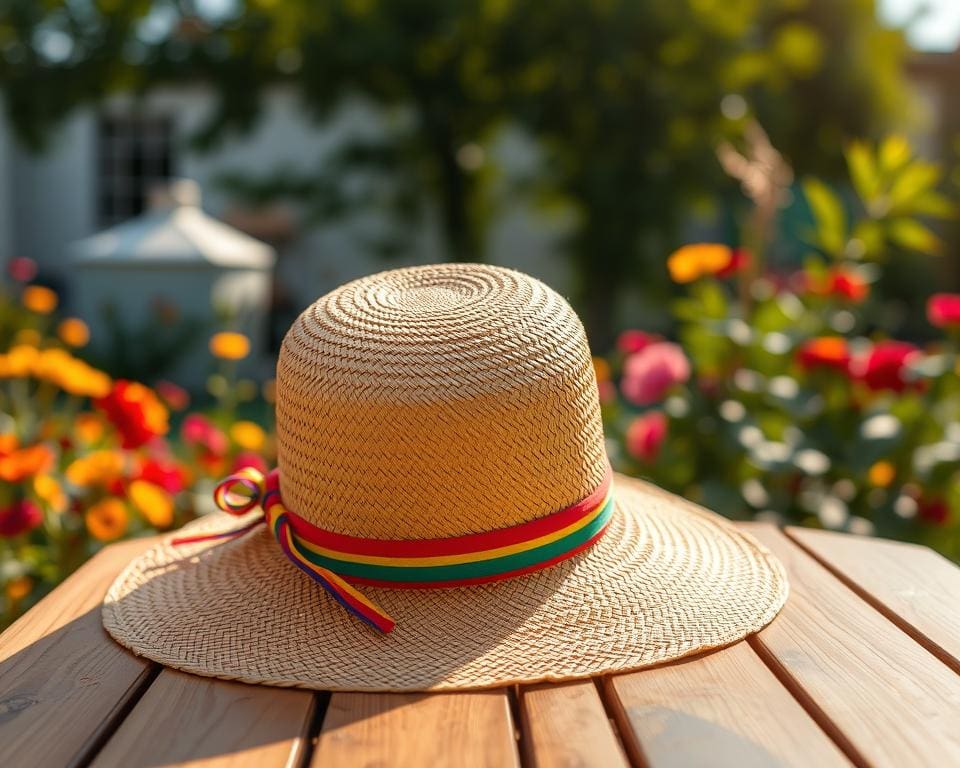
A straw hat blends practical sun protection with easy summer style, making it a go-to for UK summers. Whether you choose a wide-brim hat for festival days, a straw fedora for city promenades or a classic beach hat for seaside walks, the design shields your face while keeping your look polished.
The appeal is simple: breathability and lightweight packability mean a summer hat performs as well as it looks. You can rely on a straw hat to reduce heat and stay comfortable on hot days, and many styles pack flat for travel without losing shape.
This guide is written for readers who want sun safety that complements their wardrobe. If you’re a traveller hunting for packable headwear, a parent buying for children, or a shopper seeking a versatile sun hat, the following sections explain how to choose, wear and care for your hat so it lasts and performs.
Later sections give evidence-based detail on UV blocking, materials and sustainable options, plus practical outfit pairings and maintenance tips. You’ll also find references to trusted advice from sources such as the British Cancer Research Foundation and retailer care guides from John Lewis and Marks & Spencer, alongside practical millinery notes and styling inspiration from specialist sites like Evovivo.
Practical benefits of a straw hat for sun protection and comfort
A well chosen straw hat gives you shade, comfort and easy travel use. In the UK, sun-safety guidance asks you to seek shade and wear protective clothing during peak UV hours. Your hat becomes one of the key sun safety accessories you rely on when temperatures climb.
How straw hats block UV rays and reduce sun exposure
Brim width, weave density and material determine how much protection you get. A wide brim of 7–10 cm or wider shades the face, ears and neck, cutting direct UV exposure to those areas.
Tightly woven straw, such as toquilla used in classic Panamas, blocks more ultraviolet light than loose weaves. Some hats are tested and carry a UPF label. Others protect through design alone, so check construction details before you buy.
Look for extra features that boost protection. Dark underbrims help lower reflected glare. Long brims and neck flaps extend coverage. Remember that a hat complements sunscreen and should not replace it for full protection.
Breathability and temperature regulation for hot summer days
Natural fibres like raffia, toquilla, seagrass and wheat straw let air move through the crown. That airflow helps moisture evaporate and keeps your scalp cooler when compared with many synthetic hats.
Certain weaves include small ventilation gaps that promote cooling. Inner sweatbands in cotton or terry wick perspiration and add comfort on humid days. Check product notes, since some straw blends or coatings reduce breathability.
If you prioritise cooling, pick a breathable summer hat with a design that encourages airflow. That selection acts as a practical heat regulation hat for long spells outdoors.
Lightweight design and packability for travel and beach trips
Many straw constructions are light on the head, reducing neck strain during long walks. Flexible raffia and crushable toquilla options are common choices for travel.
A true packable straw hat will fold or roll with minimal harm. Structured wide-brim styles keep their shape but travel best in a hat box or by being worn on the journey. When packing, stuff the crown with socks to protect the brim and keep the shape intact.
- Choose hats labelled packable if you travel often.
- Use inside-out placement in luggage for added protection.
- Balance convenience with durability, since highly packable hats can crease or lose shape more quickly.
When you select a hat, weighing protection, breathability and portability helps you find the right option for beach days, city breaks and sunny walks. A UV protection straw hat that is lightweight and breathable will sit comfortably among your sun safety accessories and serve as a reliable packable straw hat when you travel.
Styling tips and outfit ideas to wear with a summer hat
Choose a summer hat to match the mood of your day. A simple straw style can be dressed down for the beach or lifted for a garden party. Below are practical ways to pair hats with outfits so you know how to wear a straw hat with purpose and polish.
For beach outfit ideas, pair wide-brim or floppy straw hats with bikinis, one-pieces and lightweight cover-ups such as kaftans or sarongs. Neutral-coloured hats in natural straw or beige work with most swimsuits. Add a ribbon or band for a pop of colour.
Practical accessories complete the look. Wear polarised sunglasses to reduce glare and consider an SPF-rated swim shirt for extra sun protection. Choose espadrilles, flat sandals or go barefoot on the sand. Try these quick formulas: neutral straw hat + monochrome swimsuit + printed cover-up, or ribbon-trimmed fedora + high-waist swimsuit + denim shorts for errands after a swim.
Smart-casual summer outfits
Structured straw hats such as a Panama, boater or trilby pair well with linen shirts, midi dresses and tailored shorts for smart-casual events. These combinations work for garden parties, summer weddings or city outings.
Match hat scale to your height and outfit silhouette. Wide brims balance flowing dresses, while shorter brims suit tailored shirts. Complement with leather sandals, a woven belt and a simple crossbody bag. Try tying a silk scarf to the hat band for a polished finish. For British coastal style, layer a lightweight trench or Breton stripes when visiting Brighton or St Ives.
Hat care to maintain shape and appearance
Good hat care will help you maintain straw hat shape and prolong wear. Store hats on a flat surface or hat stand to retain the brim and crown. Keep them away from prolonged damp and direct heat which can warp straw.
For cleaning, brush dust off with a soft-bristled brush and spot-clean sweatbands with mild soapy water. Avoid machine washing or submerging the hat in water. If a hat loses shape, lightly steam it and reshape by hand or consult a professional milliner for repair. Use replaceable inner bands to absorb sweat and replace worn sweatbands to extend life.
When storing for the season, place hats in a cool, dry spot inside a breathable bag or hat box. Support the crown and brim with acid-free tissue to prevent crushing. For brand-specific guidance, follow care advice from John Lewis, Marks & Spencer or specialist milliners to ensure you maintain straw hat quality correctly.
Choosing the right straw hat: materials, shapes and sustainability
When choosing a straw hat you should begin with materials. Toquilla, known as the Panaman hat fibre, is fine, lightweight and tightly woven. It gives excellent breathability and sun coverage. Raffia hat styles feel flexible and packable; they work well for holiday luggage and fashion-led looks. Seagrass hat and wheat straw are sturdier and more affordable, suited to structured beach hats. Palm leaf and paper braid offer durable, crushable options for travel.
Next, think about hat shapes and how they suit your wardrobe. A Panaman hat with a soft crown and medium-to-wide brim is versatile for smart and casual outfits. A boater brings a formal summer edge, while a wide-brim floppy hat gives maximum sun protection for the beach. Trilby and fedora shapes have smaller brims and suit city wear. If your face is longer, a wider brim balances proportions; shorter brims can flatter rounder faces. Try a few options to find what feels right for you.
Sustainability matters when selecting hats. Look for sustainable hats made from responsibly sourced natural fibres and fair-trade production. Check fibre origin and weave quality to judge price against longevity; artisan milliners and Ecuadorian toquilla producers often publish sourcing details. Pay attention to dye, finishing and packaging—avoid heavy chemical coatings that harm biodegradability and favour recycled or low-impact materials.
Finally, consider lifecycle and care. Repair small signs of wear and resell or donate hats in good condition. Compost natural straw that has no synthetic coatings, and choose brands that allow traceability so you can buy with confidence. Thoughtful choices about straw hat materials, hat shapes and sustainable hats help you look good and reduce environmental impact.