In an age where sustainability in interiors is becoming increasingly essential, the incorporation of natural materials into home décor can profoundly transform your living spaces. These elements not only enhance interior design by infusing warmth and character, but they also offer practical benefits that elevate the overall atmosphere of your home. By embracing materials such as wood, stone, and textiles, you can achieve stunning interior aesthetics that reflect beauty and eco-friendliness. This article aims to inspire you to rethink your design choices, harmonising elegance with a commitment to the environment.
The Benefits of Using Natural Materials in Interior Design
Incorporating natural materials into interior design offers a wealth of advantages that extend beyond mere aesthetics. The use of resources such as reclaimed wood, organic textiles, and other eco-friendly materials not only enhances the beauty of a space but also promotes sustainability and improves health. Embracing natural design benefits can create a more inviting and enduring living environment.
Promotes Sustainability
Utilising eco-friendly materials significantly contributes to sustainability efforts. Materials like reclaimed wood reduce environmental impact by minimising waste and promoting renewable sources. This choice fosters a more responsible approach to design, aligning with modern values by respecting the planet’s resources.
Improves Indoor Air Quality
Natural materials play a crucial role in enhancing indoor air quality. Unlike synthetic products, they are less likely to emit harmful chemicals and toxins. This quality contributes positively to a healthier living environment, allowing occupants to breathe easier and enjoy their space more fully.
Creates a Timeless Aesthetic
The inherent beauty of natural materials offers a timeless aesthetic that transcends fleeting design trends. Their unique textures and colours resonate across various styles, providing a classic appeal that remains relevant. This enduring characteristic allows for longer-lasting design choices that investors can appreciate for years to come.
How can natural materials enhance your interior?
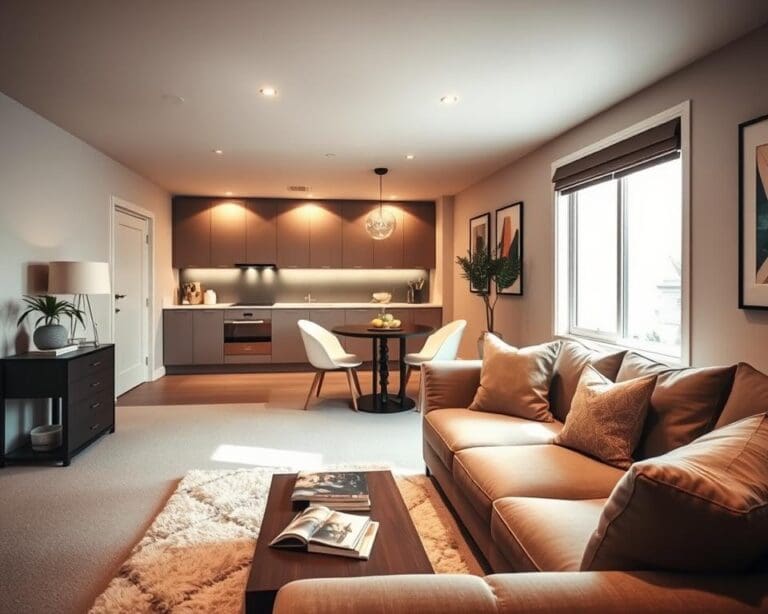
Integrating natural materials into your home can transform your living space, evoking a sensory experience that fosters warmth and connection. These elements not only create aesthetic appeal but also enhance comfort through warmth in interiors and enrich texture in design.
Enhancing Warmth and Texture
Natural materials such as wood and wool bring a cosy feel to any room, providing a nurturing environment that encourages relaxation. The organic qualities of these materials add layers of texture in design, appealing to our tactile senses and creating inviting spaces. Choices like reclaimed timber or hand-woven rugs contribute to the warmth in interiors, making them feel more homely and accessible.
Bringing the Outdoors Inside
Adopting a biophilic design approach significantly elevates the ambience of interior spaces by merging nature with our everyday lives. Incorporating plants, natural stones, and earthy hues fosters indoor outdoor flow, encouraging a seamless transition between the inside and outside world. This blend elevates well-being by reducing stress and promoting tranquillity, as nature’s calming presence permeates our living areas.
Popular Natural Materials for Interior Spaces
Incorporating popular natural materials into your home can transform spaces, bringing warmth and character that synthetic alternatives often lack. Below are three of the most favoured materials, each with its unique advantages and aesthetic appeal.
Wood: The Warmth of Nature
Wood in interiors adds a sense of warmth and intimacy to any room. Varieties like oak and pine are particularly well-known for their durability and beauty. Oak, with its rich grain, provides a sophisticated backdrop for furnishings, while pine offers a lighter, more casual vibe. Furniture crafted from these woods not only enhances décor with nature but also brings a timeless quality that never goes out of style.
Stone: Timeless Elegance
Stone features like marble and granite introduce an element of luxury to interiors. Their durability makes them suitable for high-traffic areas, such as countertops and flooring. Marble’s unique veining can create stunning visual interest, elevating any space. Meanwhile, granite’s resilience makes it a practical choice for both style and longevity, ensuring that your home maintains its elegant appeal for years to come.
Textiles: Soft Touches from Nature
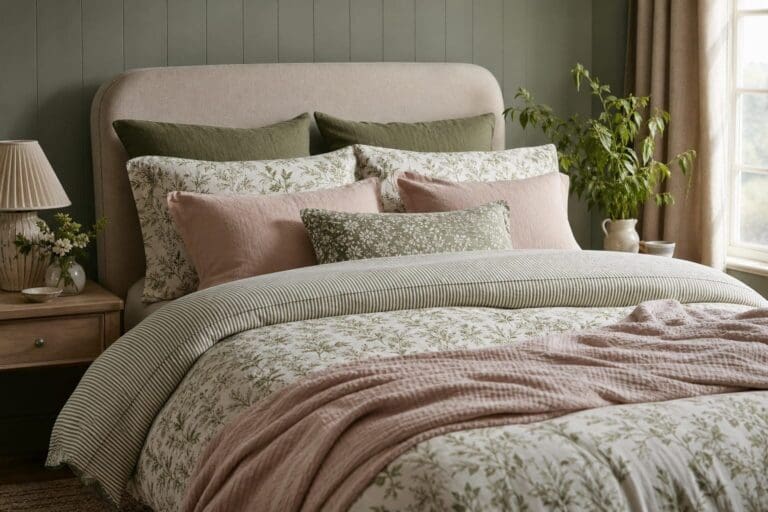
When selecting textile options, fabrics such as cotton, linen, and jute stand out for their comfort and versatility. These materials offer a soft touch, perfect for creating inviting soft furnishings like curtains and cushions. Cotton is breathable and easy to maintain, while linen’s natural charm adds a textural depth that complements wood and stone in a harmonious interior. Jute brings an earthy vibe, enhancing décor with nature through its rustic aesthetic.
Incorporating Natural Materials into Your Décor
Transforming your home into a sanctuary of style can be achieved by incorporating natural materials into your décor. Emphasising natural beauty fosters a unique atmosphere where creativity and comfort thrive. By focusing on specific elements, you can create stunning focal points in interior design that catch the eye and enrich the overall aesthetic.
Creating Focal Points with Natural Elements
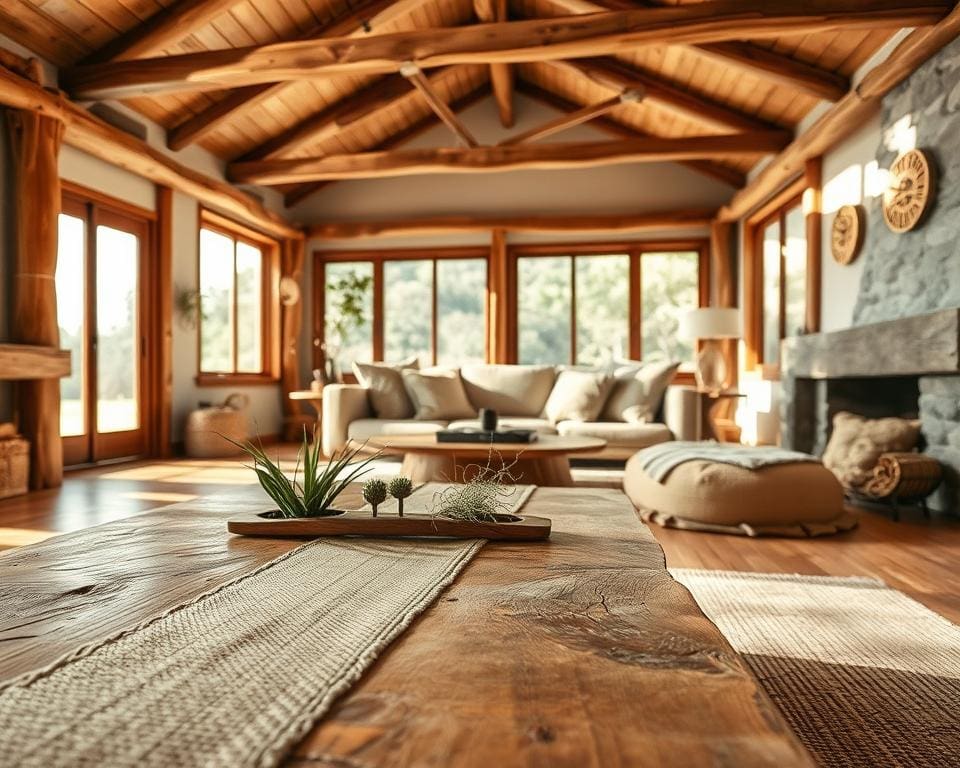
Utilising standout pieces made from organic materials serves as a fantastic way to anchor a room’s design. A reclaimed wood table can instantly elevate the visual interest of a dining area, showcasing the unique stories etched into its surface. Consider a stone fireplace as a central element in your living space, drawing attention and creating a warm, inviting atmosphere. Each of these features enhances aesthetics while grounding the room in a natural elegance.
Mixing Different Textures for Visual Interest
Venturing into mixing textures not only captivates the eye but also adds layers of comfort to your space. Combine the sturdiness of stone with the softness of organic fabrics, such as linen or cotton, to strike a harmonious balance in your interior styling. Experiment with elements like rattan furniture or wool throws, ensuring a tactile experience that complements the natural materials. This thoughtful layering enhances aesthetics, inviting both beauty and comfort into your home.
Natural Materials in Different Styles of Interior Design
When exploring interior design styles, natural materials play a pivotal role in establishing unique aesthetics and atmospheres. In rustic settings, the use of wood and stone creates a warm, inviting environment, embracing the beauty of nature while providing a sense of comfort and grounding. These materials lend themselves beautifully to a traditional farmhouse vibe or a contemporary cabin, seamlessly integrating alongside other organic elements.
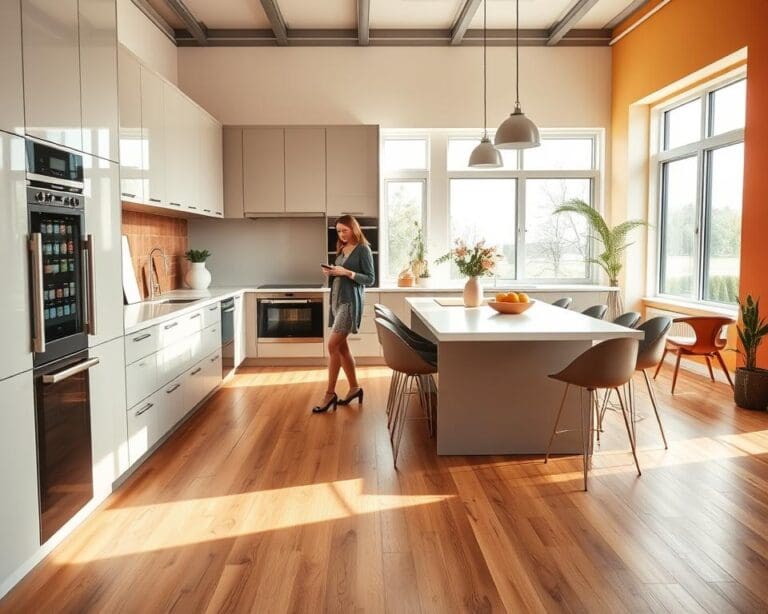
In contrast, minimalism focuses on sleek lines and uncluttered spaces, often favouring natural materials in décor that contribute to a clean and efficient look. Finishes such as bamboo or polished stone can enhance modern aesthetics while maintaining simplicity. The harmonious blend of form and function in minimalist design emphasises the beauty of natural textures without overwhelming the space.
Styles like Scandinavian and industrial also incorporate these principles, where natural materials such as wood and metal are interwoven to create a balanced yet functional living area. Scandinavian design’s light hues and focus on warmth often result in a harmonious home environment. Embracing the idea of biophilia, the integration of greenery alongside these elements brings nature further indoors, enhancing the tranquil atmosphere. For more insights on creating peaceful minimalist spaces, explore natural materials in décor that reflect your style while promoting well-being.