Interior design plays a pivotal role in how we experience our daily lives, shaping the ambiance of our environments and enhancing wellbeing. A carefully curated space fosters inspiration and comfort, crucial elements that significantly influence our mood and overall quality of living. By thoughtfully considering aspects such as colour, layout, and natural light, we can create transformative spaces that not only reflect personal style but also nurture our emotional and physical health.
The Psychological Benefits of Thoughtful Design
Creating spaces that reflect intentional design choices can yield numerous psychological benefits. A carefully crafted environment can lead to mood enhancement and increased productivity. Research shows that our surroundings significantly influence mental states. For instance, well-designed areas can foster clarity of thought and a sense of well-being, fundamentally shaping our daily experiences.
Enhancing Mood and Productivity
Natural light, colour choices, and functional layouts are crucial elements in boosting one’s mood and productivity. Exposure to daylight can improve mood and help regulate circadian rhythms, making spaces feel more vibrant and uplifting. Soft blues and greens enhance tranquility, while warm yellows can ignite creativity. A clutter-free zone not only alleviates stress but encourages focus, ultimately elevating productivity levels.
Employing ergonomic furniture contributes significantly to comfort, reducing physical strain and supporting sustained concentration throughout the workday. Investing in quality materials can enhance both aesthetics and functionality, creating spaces that energise and inspire. For deeper insights into how strategic design can increase productivity, consider exploring this source.
Cultivating Relaxation and Comfort
Creating an oasis of relaxation within the home is essential for mental health. Elements such as natural materials like wood and textiles contribute to a soothing atmosphere, promoting relaxation. Incorporating plants into the design increases comfort by enhancing air quality and providing a calming visual presence. The psychological benefits of such surroundings cannot be overstated; they encourage mindfulness and restorative behaviours.
Establishing clear boundaries and minimising distractions fosters a space where one can focus and unwind. Emphasising relaxation through design details can transform everyday environments into personal retreats, ultimately nurturing overall well-being.
How can interior design improve daily living?
The impact of interior design on daily life is significant. Thoughtfully created environments can drastically improve everyday experiences through functional spaces and personalised design. Adopting a design approach that caters to individual needs enables homeowners to optimise their surroundings, transforming their living spaces into areas that enhance comfort, utility, and overall satisfaction.
Creating Functional Spaces
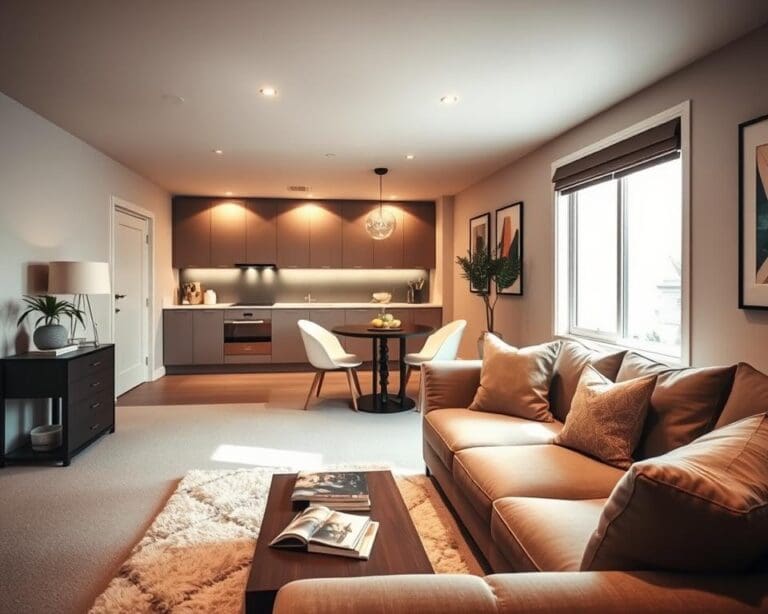
Functional spaces play a pivotal role in daily living improvement. Designing areas with purpose fosters efficiency and can simplify routine activities. For instance, an open-plan kitchen-living area encourages social interactions while promoting easy movement between functions. Intelligent furniture placement maximises utility and can even make spaces feel larger and more inviting.
Personalising Your Environment
Incorporating personalised design elements transforms a house into a home. Personalisation may involve adding cherished family photographs or pieces of art that reflect individual tastes, thus creating an emotional connection to the space. Tailored decor options, such as custom furniture choices and colour schemes, allow individuals to express their unique identities, enriching their daily living experience.
Maximising Natural Light in Your Home
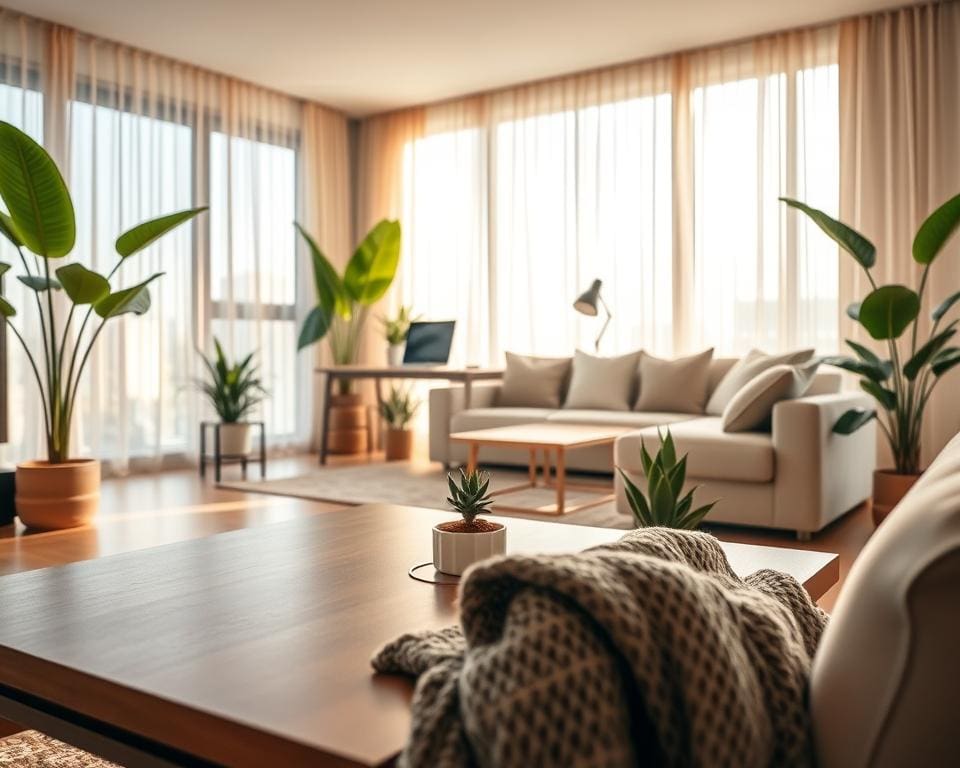
Natural light plays a vital role in creating welcoming and energising living spaces. Its benefits extend beyond mere aesthetics, influencing mood and well-being. By incorporating effective strategies for daylight maximisation, homeowners can significantly enhance the ambience of their interiors. The right design choices can turn any space into a bright haven, reflecting warmth and positivity.
Methods to Increase Daylight
Achieving optimal daylight in your home requires thoughtful planning and execution. Here are several methods to consider:
- Strategic Window Placement: Positioning windows to face south or west allows for maximum sunlight exposure throughout the day.
- Skylights: These installations provide overhead lighting, bringing sunshine deep into the home and reducing reliance on artificial light sources.
- Clear Glass: Opt for clear glass windows over tinted options to permit more light to filter through.
- Open Spaces: Adopting an open floor plan can help light travel freely, illuminating different areas of the home.
The Role of Windows and Mirrors
Windows are the primary conduit for natural light, but mirrors can amplify this effect remarkably. The careful placement of mirrors can create the illusion of depth and brightness by reflecting light around a room. Here are ways to utilise windows and mirrors effectively:
- Window Treatments: Choose light, sheer fabrics that allow daylight to seep in while maintaining privacy.
- Reflective Surfaces: Position mirrors opposite windows to enhance light reflection, effectively doubling the sunlight entering a room.
- Furniture Arrangement: Avoid placing bulky furniture in front of windows; instead, keep spaces clear to ensure an unobstructed flow of natural light.
Choosing the Right Colour Palettes
Colour plays a pivotal role in shaping our experiences and emotions. The science behind colour psychology reveals how different hues can elicit varying emotional responses. When selecting a colour palette for your home, it becomes essential to align colours with the desired atmosphere you wish to cultivate in each space. Thoughtfully chosen colours can significantly enhance daily activities, making environments more purposeful and enjoyable.
Colour Psychology Explained
Understanding colour psychology allows homeowners to create settings that resonate with their personal feelings and intentions. Warm colours, such as reds and oranges, tend to energise a space, fostering vibrancy and excitement. In contrast, cool colours like blues and greens promote tranquillity, making them ideal for more serene areas like bedrooms or study spaces. Recognising these associations helps in curating colour palettes that complement both the function of each room and the emotional response it generates.
Impact of Colour on Daily Activities
The right colour palette can profoundly influence how individuals engage in daily activities. For example, a bright kitchen adorned with sunny yellows may inspire creativity during meal preparation. Alternatively, a study area painted in calming blue hues can enhance focus and productivity. Selecting colours that specifically align with tasks performed in each room nurtures an environment that is not only aesthetically pleasing but also functionally effective.
Sustainable Interior Design Practices
Sustainable design focuses on creating spaces that are not only aesthetically pleasing but also environmentally friendly. Incorporating eco-friendly materials into design choices significantly contributes to a healthy living environment. By prioritising sustainability, homeowners can enjoy a home that is visually inviting while supporting ecological balance.
Choosing Eco-Friendly Materials
Selecting eco-friendly materials is pivotal in sustainable interior design. These materials often include:
- Recycled materials, which reduce waste and lessen the demand for new resources.
- Sustainably sourced wood, ensuring that forests are not depleted.
- Low-VOC paints and finishes, enhancing indoor air quality.
- Natural textiles such as organic cotton or hemp, promoting both aesthetic charm and environmental health.
Utilising these materials not only supports sustainability but also reduces costs over time as they tend to require less maintenance and have longer lifespans.
Creating a Healthier Living Environment
Integrating plants and natural elements into your space contributes greatly to a healthy living environment. Plants naturally improve air quality by filtering toxins and releasing oxygen. Furthermore, incorporating elements such as stone, wood, and water can create a calming atmosphere, enhancing well-being.
The combination of sustainable design practices and eco-friendly materials does more than beautify a space; it lays the foundation for a home that is environmentally responsible, cost-effective, and supportive of a healthy lifestyle.
Incorporating Technology into Design
Embracing innovative solutions is a hallmark of modern design, particularly as smart home technology transforms how individuals interact with their living spaces. This integration not only enhances convenience but also improves efficiency, allowing homeowners to tailor their environments to suit their specific lifestyles.
Smart Home Innovations
Smart home devices have revolutionised daily living by introducing automated systems that streamline various tasks. For instance, automated lighting solutions can adjust brightness according to the time of day, promoting an inviting atmosphere. Temperature control systems ensure optimal comfort, adapting to preferences while maximising energy efficiency. Integrated security systems provide peace of mind, enabling homeowners to monitor their property from anywhere with the touch of a button.
Improving Convenience and Efficiency
Through the thoughtful application of smart home technology, spaces become adaptable and responsive. Homeowners can enjoy seamless living, as devices communicate with one another to create a harmonious environment. For those aiming for a more tranquil and mindful atmosphere, integrating technology thoughtfully, such as by implementing tech-free zones or scheduling device usage, can enhance everyday experiences. Discover more about how such mindful environments can contribute to serenity here.
Enhancing Space through Layout Design
Layout design plays a crucial role in how spaces are perceived and utilised within a home. The choice between open spaces and closed spaces significantly influences the overall flow and movement throughout different areas. Understanding these dynamics can lead to remarkable space enhancement, making homes not just visually appealing but also functional.
Open vs. Closed Spaces
Open spaces encourage a harmonious environment, promoting interaction and connectivity among family members. By eliminating barriers, they enhance natural flow, allowing light and movement to travel freely. With fewer partitions, these layouts create a sense of spaciousness, making smaller homes feel larger. In contrast, closed spaces provide a well-defined purpose for each area, creating intimate settings conducive to individual activities. They can be particularly advantageous in multi-functional households where creating distinct zones for work and relaxation is essential.
Flow and Movement in Interior Design
The flow within a home can heavily influence how individuals experience their environment. Effective layout design takes into account the natural pathways that movement follows, ensuring rooms transition smoothly into one another. Thoughtful arrangements encourage intuitive navigation, which fosters a greater sense of comfort and ease. Areas designed with good flow can facilitate conversations, inspire creativity, and ultimately contribute to a more enjoyable living experience.
Bringing Nature Indoors
Embracing the concept of biophilic design allows us to cultivate a tranquil atmosphere within our homes by integrating nature indoors. This approach not only beautifies our living spaces but also enhances our overall wellbeing. Incorporating indoor plants is one of the simplest and most effective ways to achieve this. From lush ferns to elegant succulents, these natural elements bring life, colour, and a refreshing scent, creating a soothing environment that can reduce stress levels significantly.
Water features, such as small indoor fountains, can transform an ordinary room into a peaceful retreat, offering the calming sound of flowing water. Moreover, maximising natural light through well-placed windows and mirrors strengthens the connection with the outdoors, brightening the space while energising your daily routine. These elements of biophilic design harmonise to foster a nurturing atmosphere that soothes the mind and invigorates the spirit.
To seamlessly integrate nature into your interior design, consider using materials with organic textures, like wood and stone, alongside your indoor plants. These natural elements work in unison to create a rejuvenating ambiance that encourages relaxation and focus. By thoughtfully incorporating nature indoors, you can create peaceful environments that not only enhance your living experience but also promote a holistic sense of health and wellbeing.