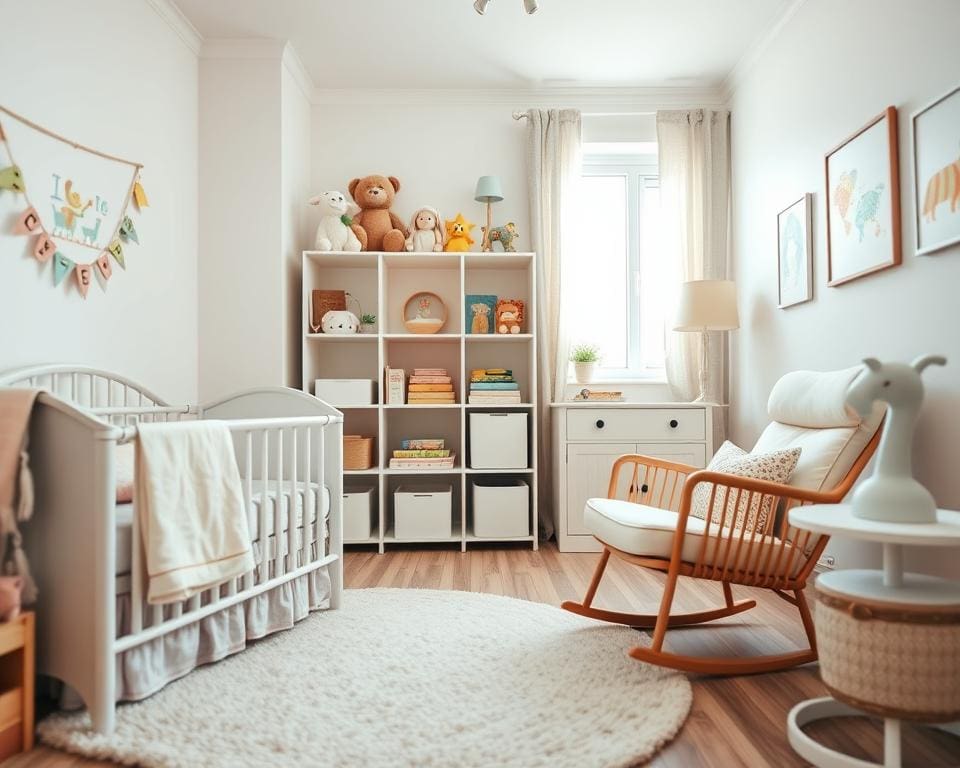
Creating a safe stylish nursery begins with a clear purpose: blend modern baby room design with proven safety standards so parents in the United States can relax and enjoy the space. This section outlines how thoughtful layout, traffic flow, and proximity to the parents’ bedroom support sleep routines and quick care. A focused nursery safety checklist helps prioritize the essentials without sacrificing beauty.
Rely on authoritative guidance from the American Academy of Pediatrics (AAP), the Consumer Product Safety Commission (CPSC), and the National Safety Council when choosing certified items like JPMA-verified cribs and CPSC-compliant mattresses. Investing in quality basics—crib, changing table, anchor kits, and cordless window treatments—creates a foundation that looks intentional and lasts through toddlerhood.
Approach baby room design with a cohesive vision and a limited palette so safety upgrades feel integrated, not clinical. Aim for a soothing, functional space that supports feeding, safe play, and storage while keeping future flexibility in mind. With the right choices, nursery décor ideas and practical routines work together to make a room that is both safe and stylish.
How do you make a nursery both safe and stylish?
Creating a room that feels calm and collected starts with clear priorities. Parents balance nursery function vs form by defining safe sleep, visible sightlines, and diaper-change ergonomics first. Design can follow if the crib, glider, and dresser sit on intentional sightlines and pathways remain unobstructed.
Balancing aesthetics with functionality
Place focal pieces so they guide movement and keep essentials within reach. Choose built-in or low-profile storage to preserve clean lines while making toys and diapers easy to find. Pick durable finishes such as water-based paints and washable textiles from brands like Benjamin Moore Natura to keep the room looking polished through spills and wear.
Prioritizing key safety standards without sacrificing design
Follow critical rules: crib slat spacing must be 2 3/8 inches or less and mattresses must fit snugly with no gaps. Use only a fitted sheet and keep bumpers, pillows, and loose bedding out of the sleep space per AAP guidance. Check for JPMA certification, CPSC labels, and mattress safety marks before you buy.
Hide anchor kits behind dressers and secure bookcases to studs to reduce tip-over risk while keeping clean lines. Choose cordless or motorized window coverings from Hunter Douglas or Lutron to remove cord hazards and preserve a refined look. Pick UL-listed nightlights and lamps for electrical safety without sacrificing ambience.
Choosing a cohesive color palette that soothes and supports visibility
Start with neutral or soft hues—warm greige, muted sage, or pale blue—and add one accent color for personality. Calming nursery colors promote rest and help babies focus, while gentle contrast gives parents visual cues for small hazards.
Use low-VOC, washable paints like Sherwin-Williams Harmony and layer lighting for flexible visibility. Combine ambient, task, and nightlight sources to keep the room softly lit at night without glare. Thoughtful color choices paired with smart lighting improve aesthetic nursery safety and support sensible baby room ergonomics.
Essential safety features to implement in a stylish nursery
A calm, beautiful nursery can also be a secure place for baby. Start with a short checklist of proven safety priorities and layer design choices that support them. The right basics let you mix texture, color, and light without risking comfort or compliance.
Crib choices matter most. Look for models that meet current CPSC rules and carry JPMA certification. Avoid drop-side cribs. Fit a firm mattress that leaves no more than two fingers’ width at the edges; Newton Baby and Safety 1st make highly rated crib mattresses that meet these expectations. Use only a tight-fitted sheet until the baby is at least 12 months old. If you pick a convertible crib, check that conversion hardware and guardrails meet later-use safety requirements.
Secure furniture with style in mind. Anchor tall dressers and bookshelves to studs using metal anchor kits. Many manufacturers include these; third-party kits from Quakehold offer reliable alternatives. Choose low, wide storage pieces and place heavy objects on lower shelves to reduce climbing temptation. Conceal anchor points behind clean-lined furniture to keep a polished aesthetic while you anchor furniture for safety.
Window treatments should be beautiful and hazard-free. Remove looped cords and select cordless blinds nursery options, motorized shades, or interior shutters. Hunter Douglas Duette with PowerView and Lutron Serena shades offer remote control and scheduled operation that blend with modern decor. Pick coverings that provide blackout performance for naps and breathable layers for airflow.
Flooring must be forgiving and hygienic. Engineered hardwood or luxury vinyl plank gives durability and style. Add low-VOC, washable area rugs or certified non-slip rug pads to create soft play zones. Foam play mats (EVA) work for supervised floor time, but keep sleep areas free of loose foam. Choose surfaces that are easy to clean and compatible with HEPA-filter vacuuming to reduce allergens and maintain safe nursery flooring.
Light your room for comfort and risk reduction. Use layered lighting: a dimmable overhead fixture, a soft nightlight, and a task lamp near the changing table. Select LED bulbs for low heat and energy efficiency. Secure ceiling fixtures and have lamps hardwired or fitted with grounded plugs by a licensed electrician. Route cords out of reach or use cord covers to support nursery lighting safety. Consider amber or red nightlights and motion-activated plug-ins for less disruptive nighttime care.
Design strategies to create a stylish, functional space
Start with a clear vision that blends comfort and practicality. Keep colors calm, add layers for depth, and choose materials that stand up to daily life while feeling warm to the touch. Thoughtful choices let you build a room that feels curated and child-ready.
Mixing textures and materials for warmth and visual interest
Layer soft textiles like knitted blankets, linen curtains, and cotton throws to create depth without clutter. Use woven baskets and wooden shelves to balance softness with structure. Pick low-VOC paints and OEKO-TEX certified fabrics to keep air quality high and materials safe for baby.
Smart storage solutions that hide clutter and preserve design flow
Plan storage that keeps essentials close and toys out of sight. Built-ins offer clean lines and save floor space. Freestanding modular units provide flexibility as needs change.
- Use dressers with soft-close drawers and cubbies with labeled bins.
- Place a reachable basket by the changing area for daily items.
- Rotate toys to limit visual clutter and simplify cleaning routines.
Selecting versatile furniture that grows with your child
Choose convertible nursery furniture that transforms from crib to toddler bed or daybed. Select dressers designed to double as changing tables with secure attachments. Invest in a durable glider or ergonomic rocker that pairs comfort with longevity.
Look to brands like IKEA for modular options and Pottery Barn Kids for timeless silhouettes when resale value matters. Timeless pieces reduce waste and save money over time.
Using artwork, decals, and textiles to express personality safely
Hang lightweight canvas prints out of reach and anchor frames with proper hardware. Use peel-and-stick decals and non-toxic paints for easy updates that stay child-safe. Keep textiles washable and avoid small embellishments or long tassels within reach.
- Choose blackout curtains with a clean hem and secure cords out of sight.
- Opt for rugs with non-slip backing or use corner grips to prevent slipping.
- Select washable cushion covers and simple, durable accents to maintain safe nursery decor.
Practical maintenance and safety routines for lasting peace of mind
A simple nursery maintenance checklist keeps the room safe and serene. Do a monthly nursery inspection schedule: check crib screws, mattress fit, and furniture anchors. Verify window treatments remain cordless and that cords are tucked away. Small, regular checks prevent hazards as babies grow.
Follow baby room cleaning tips to control allergens and preserve gear. Use fragrance-free, baby-safe cleaners and launder bedding and soft toys on schedule. Deep-clean textiles seasonally and vacuum mattresses per manufacturer guidance. Consider a HEPA air purifier and avoid indoor smoking or strong finishes while the baby is present.
Establish a clear nursery safety routine for daily and emergency needs. Keep diapers and feeding items stocked and medicines locked in high cabinets. Keep a stocked first-aid kit and review infant CPR courses from the American Red Cross or the American Heart Association. Plan evacuation routes and prepare a grab-and-go bag with essentials.
Monitor recalls and adapt the room as your child develops. Register major items with manufacturers and watch CPSC lists for notifications. Reevaluate mattress height, remove cords, and convert furniture when needed. For inspiration on layout and light, refer to practical design ideas at Evovivo’s nursery guide, and keep core safety elements in place while refreshing textiles seasonally.