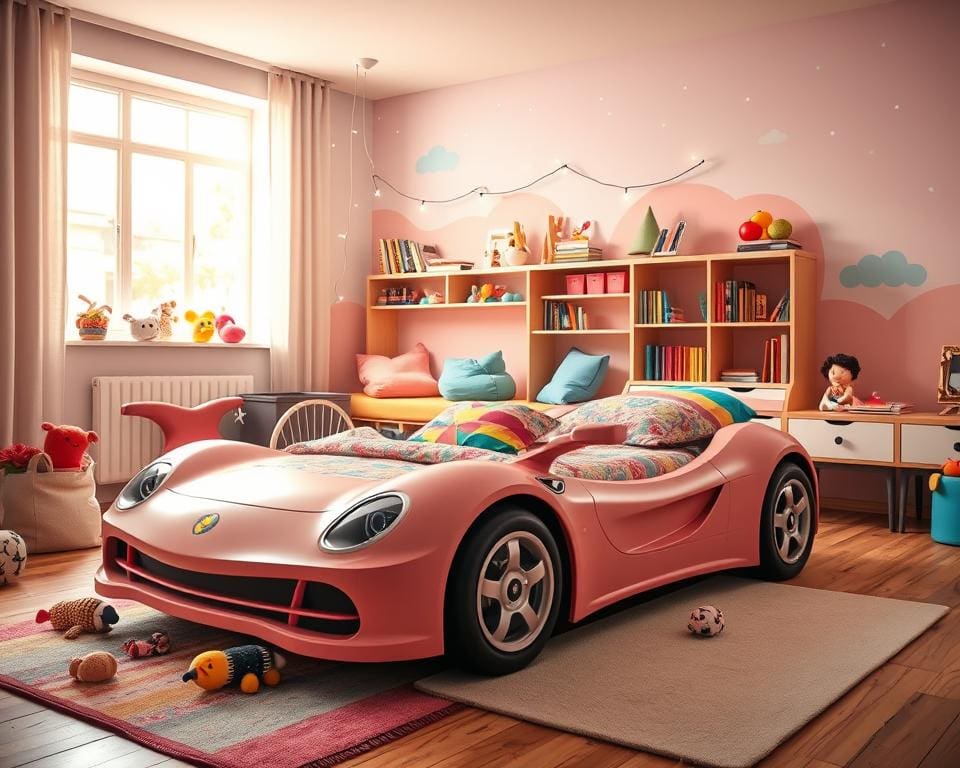
Designing a child-friendly room makeover starts with a clear question: how can a bedroom spark play, learning, and restful sleep? This section introduces practical creative kids bedroom ideas that balance imaginative bedroom themes with everyday needs.
Think in zones: a cozy sleep area, a playful corner, and a study spot. Theme-driven design—like nature, space, or storybook motifs—gives kids room inspiration and a sense of wonder while making choices easier for parents.
Multiuse furniture from retailers such as IKEA, Pottery Barn Kids, and Target shows how beds with storage or desks that double as craft tables save space and money. Durable finishes and safety-conscious hardware keep rooms resilient to active play.
Research on child development supports play-rich environments for boosting creativity and learning, so small changes can have big benefits. Whether you upcycle a dresser or buy an affordable modular shelf, creative children’s bedroom design can fit any budget and grow with your child.
What are creative ideas for children’s bedrooms?
Start with a clear plan that balances play, rest, and learning. Thoughtful layout and themed accents turn a plain room into an inspiring space where kids explore, read, and create. Below are practical ideas to help you design engaging, safe, and lasting spaces.
Theme-based bedroom concepts that spark imagination
Themed kids rooms boost play and learning. For adventure bedroom ideas, add world-map wall decals, indoor teepees, faux treasure chests for toy storage, and compass motifs. Layer labeled maps or animal guides to make geography part of daily play.
For a space-themed bedroom, choose glow-in-the-dark star decals, LED rocket shelves, constellation wallpaper, or a projector night light. Add a simple STEM corner with a small telescope and science kits from National Geographic to encourage curiosity.
A nature-inspired kids room can include woodland murals, treehouse or loft beds, botanical wallpaper, and hanging planters with low-maintenance greenery. Biophilic touches help mood and focus while creating a calm backdrop for play.
Play and learning zones within the room
Divide the room into clear zones so each activity has its own place. A reading nook ideas setup might include a window seat or bean bag, layered lighting like a clamp lamp, and child-height book ledges for easy access.
Design an activity corner with a craft table or fold-down desk, jars for supplies, labeled bins, and a washable table cover. This keeps art and STEM projects tidy and ready to use.
Choose flexible furniture such as fold-away desks, convertible loft beds with study areas beneath, and modular seating. IKEA offers budget-friendly adaptable pieces that grow with the child.
Color palettes and finishes to enhance creativity
Use creative color palettes for children to balance energy and calm. Bright accent walls in mustard yellow, teal, or coral pair well with soft gray or warm white to define activity and rest zones.
Install writable surfaces like a chalkboard wall or magnetic paint with a chalk overlay for drawing and planning. Choose low-VOC paints from brands like Benjamin Moore Natura or Sherwin-Williams Harmony for safer indoor air.
Pick durable, washable finishes in semi-gloss or satin for trim and high-contact areas. Vinyl wallpapers and stain-resistant rugs from Pottery Barn Kids or Target make maintenance easier and keep the room fresh longer.
For practical safety tips and material choices, consult a guide on designing child-friendly living spaces from Evovivo. Implementing these ideas will help you create themed kids rooms that inspire play, learning, and restful sleep.
Space-saving and multifunctional kids’ bedroom design ideas
Smart layouts let a small room do more. Choose pieces that free floor area, hide clutter, and adapt as children grow. Focus on beds, storage, and modular furniture to make play, study, and sleep coexist in one bright, safe space.
Beds that maximize floor space
Loft bed ideas turn wasted vertical space into a usable zone. A loft bed with built-in desk or a play nook underneath reclaims floor area for toys and activity. Look for guardrails, firm ladders, and mattress-height guidance to keep the top bunk safe.
For smaller rooms, a bunk bed with desk combines sleep and study in one footprint. Brands such as IKEA, Pottery Barn Kids, and Storkcraft offer models with safety certifications and clear sizing notes. Trundle beds and storage beds add extra sleep space and built-in drawers to reduce separate furniture needs.
Smart storage solutions to reduce clutter
Under-bed bins and labeled baskets make seasonal rotation simple and prevent everyday mess. Use clear containers or labeled Sterilite and IKEA Trofast bins to keep items visible and easy to swap.
Wall cubbies, ladder shelves, and floating shelving lift items off the floor and make the room feel larger. Anchor units to studs and place shelves at child height for safe access. Pegboard systems offer flexible hooks and bins for art supplies, dress-up clothes, and rotating displays.
Flexible furniture and modular pieces
Convertible desks that fold away and adjustable shelves that move with a child extend the room’s lifespan. Choose modular kids furniture that can be reconfigured into benches, toy cubes, or bedside tables to match changing needs.
Modular systems are an investment that reduces waste over time. Before buying, measure carefully and draft a floor plan. Leave 30–36 inches of clear pathway around major pieces to maintain safe movement and play space.
- Measure room dimensions and door swing before selecting a loft or bunk bed with desk.
- Choose mattress types recommended by manufacturers for trundles and loft platforms.
- Prioritize anchored shelving and rounded edges on modular pieces for child safety.
Decor and accessories that encourage creativity and independence
Thoughtful decor lets children shape their spaces and build confidence. Use display systems, gentle lighting, and hands-on projects to turn a bedroom into a studio and a sanctuary. Small, practical touches invite kids to express taste and take responsibility for their things.
Interactive walls and display areas
Create a kids gallery wall with clip rails, wire-and-clip systems, or easy-open frames so artwork can rotate weekly. IKEA’s DIGNITET curtain wire works well for quick swaps. Pegboards with labeled baskets give tidy spots for supplies and schedules.
Install a chalkboard or whiteboard section for doodles, to-do lists, and mood charts. Use low-VOC paint and secure mounting to keep surfaces safe. These features mix display and function so children can plan projects and celebrate achievements.
Lighting and sensory elements
Layer lighting with a ceiling fixture, a desk task lamp, and a soft night light. Choose LEDs to cut heat and energy use. Dimmers or smart bulbs from brands like Philips Hue let kids adjust mood and focus for homework or story time.
Add textural items that support a sensory-friendly kids bedroom: tactile rugs, washable sensory cushions, and age-appropriate weighted blankets. Choose easy-care fabrics from Crate & Kids or Target for durability. Consider a white-noise machine for light sleepers and bamboo charcoal bags for fresh air without chemical scents.
Personalization and DIY decor projects
Encourage ownership with simple DIY kids decor projects. Paint a bedside table together, stencil a custom name sign with removable tape, or build a paper or felt mobile. Older children can help select fabric patterns or choose a mural artist to make a feature wall.
Source materials affordably at thrift stores, Michaels, or Joann and find custom touches on Etsy. Photograph before-and-after stages to create a portfolio that shows progress and pride. These activities teach choice-making and turn decorating into a creative habit.
Safety, durability, and budget-friendly strategies for children’s bedrooms
Start with safety-first choices to make a room both playful and secure. For air quality and surface safety, choose non-toxic paint for kids rooms such as Benjamin Moore Natura or Sherwin-Williams Harmony and allow full curing times before use. Opt for rounded-edge furniture or add corner protectors, and anchor tall dressers and shelving to studs with anti-tip kits that follow Consumer Product Safety Commission guidelines. For window coverings, pick cordless blinds or add cord shorteners and tension devices that meet ASTM standards to reduce strangulation risk.
Durable kids room materials cut long-term costs and simplify care. Select hardwearing textiles like Sunbrella indoor fabrics, machine-washable slipcovers, and treated area rugs for high-traffic play zones. Invest in solid-wood or quality plywood furniture and check manufacturer warranties and user reviews to confirm longevity. Retailers such as Pottery Barn Kids, Target (performance fabrics), and Wayfair offer washable options that balance durability and style.
A budget kids room makeover can be both creative and resourceful. Embrace upcycling furniture for kids by refinishing thrifted dressers, converting bookshelves to toy storage, or reupholstering a chair—a fresh coat of non-toxic paint for kids rooms transforms secondhand finds. Sources like Habitat for Humanity ReStores and Facebook Marketplace often yield affordable pieces worth restoring. Small seasonal swaps—new pillows, rotated artwork, or decals—keep the space lively without a full remodel.
Finish with a practical checklist parents can use: measure and map play, sleep, and study zones; prioritize anchors and non-toxic finishes; choose multifunctional pieces and washable fabrics; mix new purchases with DIY and thrifted items; and involve your child in safe, age-appropriate choices. These steps support kids bedroom safety, promote durable kids room materials, and deliver a thoughtful, budget-friendly room that grows with the child.