Upgrading your outdoor space can mean anything from fresh planting and smart lighting to a full patio upgrade or a garden room. Small changes like new furniture and irrigation make daily life easier, while larger works — decking, hardscaping or a fitted patio — transform how you use your home.
This article is written for homeowners across the United Kingdom, landlords and property investors who want practical ideas and inspiration. Whether your aim is to enjoy outdoor living UK more fully, reduce upkeep, or add clear value to a sale, the benefits of upgrading outdoor space are wide-ranging.
Core garden renovation benefits include improved wellbeing from time spent outside, better entertaining and dining areas, higher curb appeal and market value, energy savings through strategic planting, and increased support for wildlife. Patio upgrade advantages and thoughtful landscaping can deliver many of these gains at once.
Trusted sources back these claims. The Royal Horticultural Society highlights gardens’ role in wellbeing, and Nationwide and Halifax reports show how outdoor improvements can affect property prices. Advice from the Energy Saving Trust and government guidance also explains how planting and shading save energy.
Read on to discover the practical, environmental and financial advantages, plus planning and financing steps to create a lasting, stylish outdoor living UK space you’ll enjoy all year.
Why homeowners in the UK choose to upgrade outdoor space
Upgrading an outdoor area has become a top priority for many UK households. A well-planned garden extends living space, supports family life and reflects personal taste. Readers want clear reasons for why upgrade outdoor space and practical ideas they can adopt.
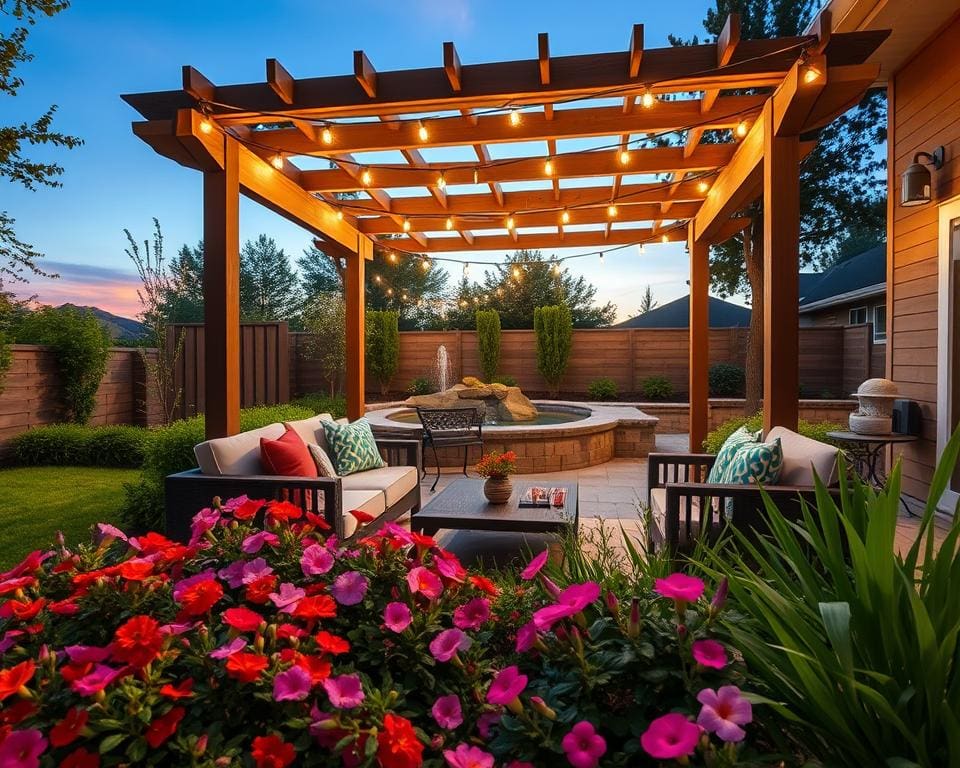
Homeowners are investing in features that turn gardens into places to relax, dine and entertain. Outdoor kitchens, firepits, pergolas and deep, cushioned seating create zones for conversation and calm. Retailers such as John Lewis and B&Q report rising sales in patio furniture and leisure items, which shows a growing appetite for an outdoor lifestyle UK.
Enhancing lifestyle and leisure
Adding comfortable, weatherproof elements lengthens the day and improves social life. Pergolas and retractable canopies give shade in summer and shelter in light rain. Firepits and heaters make evenings cosy and useable.
Create accessible surfaces for all ages by using level paving and gentle transitions between lawn and patio. That approach supports multigenerational use and safer play areas for children while keeping mobility needs in mind for older family members.
Creating a year-round usable garden
Simple upgrades can transform gardens into a year-round garden. Sheltered seating, insulated garden rooms and conservatories add usable square footage for work or rest. Garden pods and studio rooms offer quiet spaces for home offices and can generate rental income in some situations.
Seasonal planning helps a space stay attractive through the year. Evergreen structure brings winter interest. Layered planting adds spring and summer texture. Good drainage prevents waterlogged lawns in autumn and winter, keeping the garden welcoming.
Aligning outdoor areas with modern design trends
Homeowners want outdoor spaces that mirror interior style and current garden trends 2026 UK. Modern garden design favours natural materials such as timber and stone, low-maintenance planting and clear indoor-outdoor flow with bi-fold doors.
Popular looks range from pared-back contemporary schemes to a revival of cottage-garden charm. Wildlife-friendly planting and edible landscaping with raised beds and fruit trees combine beauty with purpose. Choosing durable, sustainable products from trusted suppliers like Marshalls, Bradstone and Timberwise helps ensure a long-lasting finish.
Practical benefits of an upgrade outdoor space
Upgrading an outdoor area delivers clear, practical gains for homeowners across the UK. Thoughtful changes improve everyday use and long-term value. A well-planned garden can make life easier, extend living space and appeal to buyers.
Many UK property reports from Nationwide, Halifax and estate agents such as Savills and Foxtons show that thoughtful gardens and patios speed sales and raise perceived worth. Simple enhancements like tidy landscaping, a paved patio or secure fencing give strong returns on investment compared with costly rebuilds.
Increased property value and curb appeal
Neat borders, artificial turf or quality turfing, and well-placed outdoor lighting lift kerb appeal. Staging for viewings should emphasise sightlines from key rooms and include scented planting and seating so buyers can picture life outdoors. These measures help when a garden increases home value in a competitive market.
Improved functionality: entertaining, dining and play areas
Define zones for dining, lounging and children’s play to make the garden feel larger and more usable. Durable paving and proper drainage protect furniture and barbecues. Adding outdoor power, lighting and plumbing for a sink or simple kitchen gives a true outdoor entertaining space.
- Place seating to favour conversation and movement.
- Choose weatherproof textiles and robust furniture from Habitat, IKEA UK or Kettler for longevity.
- Include discreet service areas for bins, sheds and composting to keep the main space tidy.
Reduced maintenance through smart landscaping choices
Pick native, drought-tolerant plants, raised beds and mulching to cut watering and weeding. Resin-bound paths, permeable paving and artificial grass save time and stop muddy patches. A low maintenance garden can free weekends and lower ongoing costs.
Investing in good soil, drainage and pragmatic planting reduces future repair bills. Automatic irrigation, seasonal maintenance from HTA-registered professionals and warranty-backed hardscape products protect that investment and keep upkeep predictable.
Environmental and wellbeing advantages of upgrading outdoor spaces
Upgrading an outdoor space brings clear benefits for people and the planet. Thoughtful changes turn a plain garden into a place that reduces stress, supports wildlife and helps cut energy use. Small interventions can yield lasting garden wellbeing benefits for households across the UK.
Boosting mental health with access to nature
Research from the Royal Horticultural Society and NHS guidance links time spent in green space to reduced stress and improved mood. Simple features make a big difference. A quiet corner for meditation, sensory planting with fragrant herbs and tactile foliage, and water features create calming soundscapes that invite daily use.
Design for accessibility to encourage regular visits. Safe paths and seating help older residents and children enjoy outdoor time. Social gains follow when gardens host friends, family or community projects; shared planting and neighbours working together strengthen local bonds and add to mental health garden benefits.
Improving biodiversity and supporting wildlife
Thoughtful planting helps local ecosystems flourish. Native species and nectar-rich perennials support pollinators. Log piles offer habitats for invertebrates, bird boxes shelter nesting birds and small ponds provide homes for amphibians.
Guidance from the RSPB and Wildlife Trusts promotes wildlife gardening that protects beetles, bees, hedgehogs and birds. Avoid harsh chemicals and favour organic mulch and compost to boost soil health. Layered planting with trees, shrubs and groundcover gives seasonal food sources and adds visual interest while improving biodiversity garden UK outcomes.
Energy-saving opportunities with shading and planting
Strategic vegetation and structures can lower household energy demand. Deciduous trees shade windows in summer while letting light through in winter. Evergreen shelterbelts reduce wind chill and pressure on heating systems. Trellises, green walls and pergolas increase insulation at the building edge.
The Energy Saving Trust recommends vegetation and shading to cut cooling needs and reduce heat loss. Practical steps include exterior shading, pergolas with climbing plants and green roofs on garden rooms. These interventions deliver measurable savings and help sustain warmer, more comfortable homes through energy-saving planting.
How to plan and finance an outdoor space upgrade for lasting impact
Begin any plan outdoor upgrade by setting clear objectives. Decide whether the priority is entertaining, play, wildlife or low maintenance, then draw up a realistic budget. A simple site audit — checking drainage, soil type, sun patterns and existing services — will save time and cost later. Also confirm permitted development rights and any local planning rules before you start.
Good garden project planning includes phased work to spread outdoor renovation costs and getting multiple quotes. Involve specialists when needed: landscape or garden designers, structural engineers for major builds, and accredited contractors from the Federation of Master Builders or TrustMark. For garden rooms, seek professional advice early and explore garden room finance UK options if this element is central to the design.
Budget with typical cost bands in mind: patios or decking, turfing or artificial lawn, fencing, lighting, planting schemes and garden rooms. Prioritise durable, warranty-backed materials such as FSC-certified timber to lower lifetime costs. Small, low-cost changes — painting fences, mulching, container planting and seasonal furniture swaps — can lift a space while saving money.
When considering how to finance garden renovation UK, weigh savings, personal loans, home improvement loans, remortgaging and retailer 0% deals for large purchases. Seek regulated financial advice before borrowing against property. Control costs with clear contracts, milestone payments and a contingency of 10–15% for unexpected issues. Finally, document the design, warranties and maintenance plan so the upgrade delivers lasting value and appeal to both you and future buyers.