Choosing the best flooring for home use starts with practical questions about how you live. Consider room purpose, daily foot traffic and whether children, older relatives or pets will use the space.
Match material performance to those needs: durability, stain and slip resistance, and moisture tolerance matter more than short‑lived trends. This flooring guide helps you weigh style against long‑term costs so you can choose flooring that lasts.
Think about UK housing and climate when you plan floor selection. Flats, Victorian terraces and modern builds have different subfloor needs, and damp or seasonal wet weather affects material choice and installation.
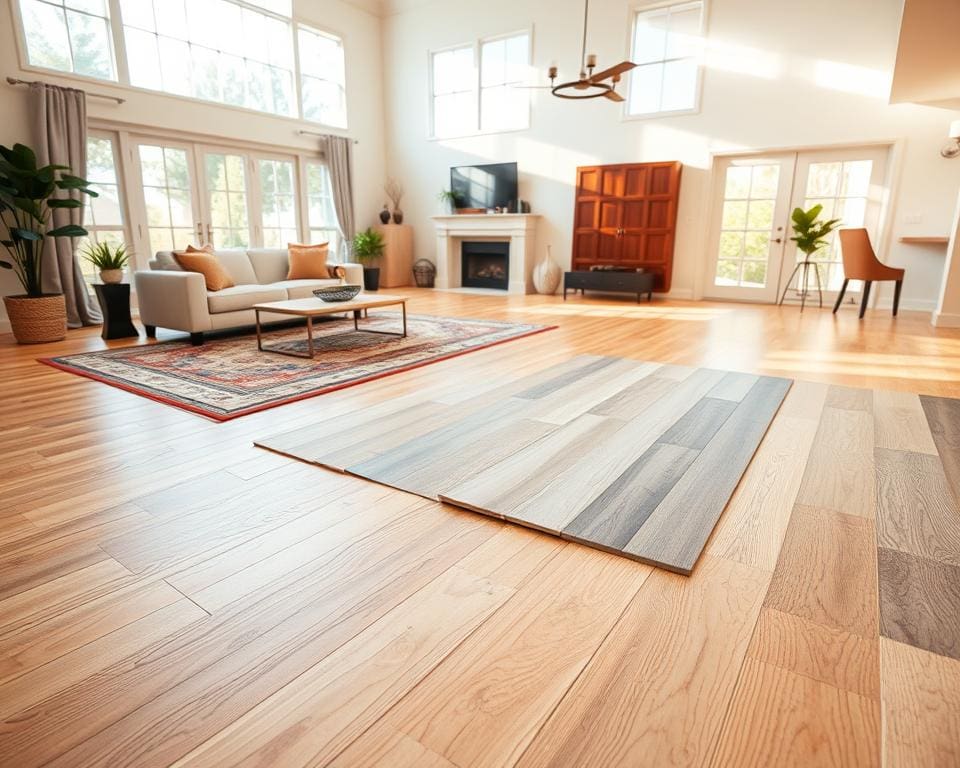
Familiar brands and suppliers such as Wickes, B&Q, John Lewis, Amtico and Karndean provide ranges and samples to try in your home. Use samples in different light and note how colour, texture and pattern work with existing furniture.
Before you buy, measure rooms, set priorities (durability versus looks versus budget) and collect written quotes. Ask fitters for guarantees and check credentials with TrustMark or FENSA to ensure proper installation and peace of mind.
For practical reading on options that suit busy households, see this useful overview from a specialist source: flooring options for busy households.
Understanding your needs: room use, lifestyle and budget
Choosing the right floor starts with a clear view of how each room will be used. Think about high-traffic communal areas such as the hall, kitchen and living room, low-traffic bedrooms, wet rooms like bathrooms and utility spaces, and transitional zones such as entrances or conservatories. Mapping room use helps you match material durability to expected wear and maintenance levels.
Assessing room function and foot traffic
List rooms by expected daily activity and the likely sources of wear. Hard-soled shoes, furniture movement and frequent footfall shorten a floor’s life. For heavy use, consider porcelain tile, commercial-grade LVT or engineered oak with a durable finish. For quieter bedrooms, you can choose softer finishes.
Check underfloor needs too. Many engineered woods, LVT and tiles work with underfloor heating. Solid hardwood often presents challenges with temperature and moisture changes. Create a simple wear-rating map for your home and compare it with manufacturer abrasion classifications.
Considering household members and pets
Children need impact-resistant, easy-clean surfaces. Stain-resistant carpets or wipe-clean LVT and laminate suit play areas. For older people or those with mobility needs, pick slip-resistant surfaces, low thresholds and low-pile carpets to reduce trip risks.
Pets call for scratch-resistant, waterproof solutions. LVT, robustly finished engineered wood and porcelain cope well with claws and accidents. If you favour carpet, choose stain-resistant options or carpet tiles that let you replace small sections. Hard floors also help with allergies by limiting dust and mite build-up.
Setting a realistic budget and lifecycle costs
Separate upfront spend from total cost of ownership. Materials, underlay, acclimatisation, fitting, subfloor preparation and ongoing maintenance all affect lifecycle cost flooring. Factor in likely replacement intervals when you compare options.
In the UK, budget LVT, laminate and basic carpet sit at the lower end of a flooring budget. Engineered wood and mid-range tiles sit in the middle. Premium hardwood, natural stone and high-end porcelain are more costly. Warranties matter; check wear-layer guarantees for LVT and finish guarantees for wood.
Build contingency into estimates. Set aside about 10–15% for unexpected subfloor repairs or extra materials. A realistic flooring budget that includes installation and future upkeep helps you avoid costly surprises and gives a clearer picture of total lifecycle cost flooring.
home flooring options: materials, pros and cons
Choosing the right flooring materials shapes how a room looks and performs. You need to balance style, durability and upkeep. Below are common choices, with practical points to help you decide for each room in your home.
Hardwood and engineered wood
Hardwood flooring such as solid oak, maple or walnut gives a timeless look and can be sanded and refinished many times. It suits bedrooms and living rooms with stable humidity. Hardwood is vulnerable to moisture and may not be ideal for ground-floor areas prone to damp.
Engineered wood uses a plywood or HDF core topped with a real veneer. It is more dimensionally stable than solid wood and works over concrete subfloors and most underfloor heating systems. Brands to consider in the UK include Quick-Step, Havwoods and Tarkett. Pros are natural warmth and long-term repairability. Cons include higher initial cost and potential for surface scratches or colour change from sunlight.
Laminates and luxury vinyl (LVT)
Laminate flooring features a printed surface over an HDF core. It is cost-effective and scratch resistant. Some laminates offer water resistance, but you must check each product specification before using it in wet rooms.
LVT and vinyl plank replicate wood or stone looks and are highly water resistant or fully waterproof. They work well in kitchens, bathrooms and basements. Choose options with a robust wear layer for heavy use. UK names to look at include Amtico, Karndean and Forbo, while Quick-Step and Balterio supply laminate ranges. Benefits are durability and low maintenance. Drawbacks include lower perceived value than real wood and the need to select low-VOC products with CE or UKCA marking.
Tile, stone and porcelain
Porcelain tiles are dense, hard-wearing and waterproof, making them ideal for kitchens, bathrooms and busy hallways. Ceramic tiles suit indoor spaces too but are slightly more porous than porcelain.
Natural stone such as slate, limestone or marble gives a premium finish and can last decades. Stone needs sealing and specialist care. Pros are longevity and ease of cleaning. Cons include higher installation costs and a cold, hard feel underfoot unless paired with underfloor heating. Suppliers to explore include British Ceramic Tile, Porcelanosa and Johnson Tiles.
Carpet and carpet tiles
Broadloom carpet delivers softness and thermal comfort. Wool options are natural and durable but cost more. Synthetic fibres such as nylon provide stain resistance at a lower price point.
Carpet tiles are modular and simple to replace in high-wear areas or rental properties. They offer design flexibility and lower long-term repair costs. Benefits include sound insulation and safety for falls. Drawbacks are dust retention and more frequent cleaning compared with hard floors. Consider brands like Brintons, Axminster and Crucial Trading for UK ranges.
Specialist and sustainable choices
Bamboo and cork present renewable alternatives. Bamboo is fast-growing and often sold as engineered planks. Cork gives natural cushioning and thermal properties but needs sealing and gentle use.
Reclaimed timber carries character and reduces demand for new felled wood, subject to provenance checks. Linoleum, made from linseed oil and natural resins, is biodegradable and long lasting. Some manufacturers now offer sustainably produced LVT with improved environmental credentials.
- Look for FSC or PEFC certification for timber products.
- Check EPDs and low-VOC certifications such as AgBB or Greenguard.
- Ask about take-back schemes and local recycling options when considering end-of-life disposal.
Practical considerations: installation, maintenance and design coordination
Before you book flooring installation, check the subfloor. It must be level, dry and clean. For concrete, test for damp and fit a damp-proof membrane if needed. Uneven floors often need screeding or a levelling compound so the finish lasts and adhesives bond correctly.
Decide whether you will DIY or hire professionals. Simple click-fit laminate and many LVT projects can suit a competent DIYer, but tiles, natural stone, large timber runs and stair work usually need accredited fitters. Always obtain multiple written quotes and verify credentials such as TrustMark or manufacturer-accredited installers.
Plan timing carefully. Solid and engineered wood often require acclimatisation in the room before laying. Account for lead times, adhesive and screed drying, and underfloor heating flooring requirements so movement and bonding are controlled. Also consider thresholds, trims and recommended expansion gaps to avoid trip hazards and mismatched heights between rooms.
Think ahead about cleaning and long-term care. Use pH-neutral cleaners for sealed wood, manufacturer-approved vinyl products for LVT, and specialist stone sealers where needed. Preventative steps—doormats, felt pads, area rugs and regular vacuuming—extend life and reduce repairs.
Know what can be repaired. Solid wood and parquet can be sanded; engineered wood depends on veneer thickness. Carpet tiles allow spot replacement, while glued LVT or laminate planks may require replacing entire sections. Factor these realities into both your choice and your budget.
Coordinate design across spaces. Test samples in situ at different times of day and match colours with skirting, doors and fittings. Decide whether continuous flooring will unify open-plan areas or whether changing materials will better define zones. Also ensure thresholds and slip-resistance meet accessibility needs and Building Regulations where relevant.
Finally, secure warranties and compare whole-project quotes that include removal, subfloor work and finishing touches. Ask suppliers about recycled content, certification and disposal options if sustainability matters. Keep invoices and installer details so you can register guarantees and arrange future flooring maintenance with confidence.