
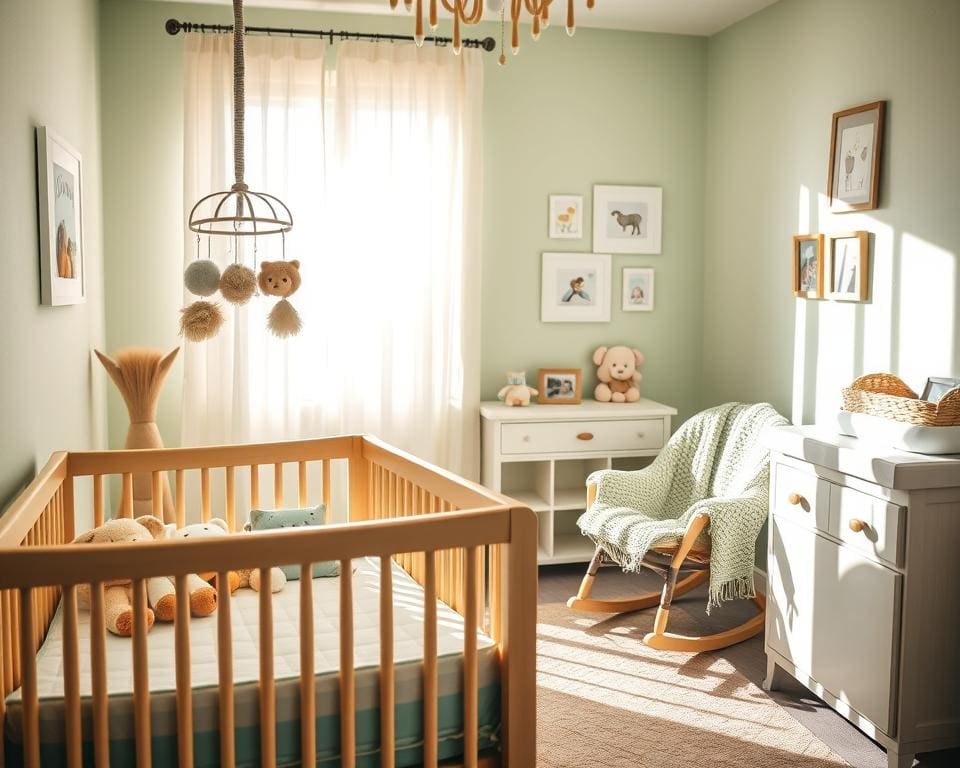
Furnishing a baby nursery is about more than looks. You need a safe, comfortable and practical nursery setup that follows UK guidance. This section explains the scope and purpose of the guide so you know how to furnish nursery spaces with confidence.
Safety is the priority. Follow BS EN standards for cots and nursery furniture, and heed NHS and RoSPA advice on safe sleep and childproofing. Choose soft furnishings that meet fire safety rules and check labels for compliance when purchasing nursery essentials.
This article will walk you through planning your layout and budget, selecting essential furniture, choosing washable textiles and taking practical safety measures. The final part covers accessories and finishing touches to complete your nursery setup.
You, as expectant parents or carers in the United Kingdom, will find practical, evidence-based tips to help with buying, arranging and maintaining your space. The focus is on longevity and adaptability so items can grow with your child, reducing replacement costs and waste.
Planning your nursery layout and budget
Careful planning makes the nursery both practical and calming. Start with clear measurements and a simple plan so you can fit essential furniture, allow for movement and keep safety front of mind. A considered nursery layout and a realistic nursery budget will save time and stress as your baby grows.
Assessing available space and room orientation
Measure the room length, width and ceiling height, and mark windows, doors, radiators and plug sockets. Note where a cot can sit safely; keep it at least 1m from blinds and curtains to reduce risk.
Think about the room orientation. North-facing rooms may need warmer lighting and colours to feel cosy. South-facing rooms can get hot; add ventilation and blackout options to aid sleep.
Allow 60–90cm clearance around key furniture so you can move during night feeds and nappy changes. Plan extra space for a toddler bed, a small play area or a desk to extend the life of the layout.
Setting a realistic budget and prioritising purchases
Break your nursery budget into categories: cot and mattress 30–40%, seating 10–15%, storage 15–20%, changing equipment 5–10%, soft furnishings 10–15%, safety and accessories 5–10%. Use these proportions to guide spending.
Prioritise safety and ergonomics. Spend more on a reputable cot that meets BS EN 716 and a firm, well-fitting mattress. Pick a supportive nursing chair to protect your back during long feeds.
Consider second-hand options for non-safety items such as wardrobes or shelving. Check provenance carefully before buying used cots or mattresses. Compare prices at John Lewis, IKEA, Mamas & Papas and other UK retailers and time purchases for sales.
Choosing a theme or colour palette that grows with your child
Opt for a flexible nursery theme that adapts as your child develops. Neutral bases like soft greys, muted greens or warm beiges work well with an accent tone you can change over time.
Use removable touches such as peel-and-stick decals, washable paint and swapable textiles to refresh the room without major expense. For newborns, high-contrast patterns help visual stimulation; reserve calmer tones for sleep zones.
Pick a nursery colour palette that hides marks and pairs with washable paints or easy-clean wallpapers. That approach keeps the room practical and stylish as your child grows.
Essential furniture for a baby nursery
Choosing nursery furniture shapes how your room works day to day. Think about pieces that last, meet safety rules and fit the space you have. A few well-chosen items can make routines simpler and keep the room calm for sleep and play.
Selecting a safe cot and recommended cot features
Your first priority is cot safety. Pick a new cot that meets BS EN 716 and comes with clear manufacturer instructions. Look for adjustable mattress base heights so you can lower the mattress as your baby grows.
Choose slatted sides with gaps of 45–65mm and avoid any drop-side designs. The mattress must be firm and fit snugly with no more than a two-finger gap. Consider a convertible cot bed from brands such as Stokke, Silver Cross or Mamas & Papas if you want longer use, but check conversion kits and instructions carefully.
Choosing a changing unit versus a changing mat
A purpose-built changing unit gives a stable, waist-height surface and built-in nursery storage for nappies and creams. This reduces back strain and keeps essentials close to hand. Choose wipeable surfaces and a raised edge or a fitted changing mat for added safety.
If space or budget is tight, a changing mat placed on a sturdy chest of drawers can work well. Use a safety strap on the mat and never leave your baby unattended. Replaceable covers from brands like Tommee Tippee make cleaning easier.
Opting for a comfortable nursing chair or rocking chair
Your nursing chair will be a key spot for feeds and late-night soothing. Prioritise good lumbar support, firm armrests and easy-to-clean upholstery. Test a glider or rocking chair for smooth, stable motion before you buy.
Check the height so you can easily reach a side table for bottles, burp cloths and a lamp. Retailers such as John Lewis & Partners and DFS offer chairs you can try in-store to find the right fit.
Storage solutions: wardrobes, drawers and shelving
Plan layered nursery storage so daily items are within reach and bulky goods are stored out of the way. Open shelving works for toys and books, while deep drawers with dividers suit clothes. Consider modular systems like IKEA PAX or KALLAX for flexibility.
Use under-cot drawers, hanging organisers and wall-mounted shelving to free floor space. Anchor tall pieces with anti-tip kits and follow manufacturer guidance to reduce risk. For ideas on practical layouts and items, see this guide on practical storage nursery storage solutions.
Soft furnishings, decor and safety considerations for a baby nursery
Start with fabrics that keep comfort and nursery safety front of mind. Choose fitted sheets for sleep and avoid loose bedding, cot bumpers and soft toys in the cot to follow NHS safe sleep advice. Pick breathable materials such as organic cotton or bamboo blends and look for Oeko‑Tex or GOTS certification when selecting nursery textiles.
Low‑pile rugs cut dust and trip risks. Use a non‑slip underlay and choose washable options to make cleaning simple. Curtains and soft furnishings should meet UK flame‑safety rules and be kept short so they do not trail near the cot.
Light control is vital for naps and bedtime. Install blackout blinds or thermal‑lined curtains to darken the room for daytime sleep. Use cordless roller blinds or secure mechanisms out of reach to prevent accidents and to maintain a childproof nursery environment.
Layer lighting for smooth night feeds and changes. Dimmable overhead lights and a shaded nightlight help you keep things calm without waking the baby fully. For hotter, south‑facing rooms, reflective blinds and good ventilation help keep temperature between 16–20°C.
Anchor tall furniture to wall studs with anti‑tip kits and secure televisions separately. Fit socket covers, corner guards and keep blind cords at least 1.5m above the floor. Use well‑fitted stair gates where needed and choose low‑VOC paints for safer finishes.
Keep toys and small items out of reach and inspect equipment regularly for wear. Follow manufacturer guidance and check recall advice from Trading Standards or Which? when necessary to maintain nursery safety.
For nursery decor, favour removable wallpaper panels or decals to add pattern without permanence. Place decorative items away from the cot on higher shelves or picture rails and anchor them securely. Use woven baskets, labelled bins and multi‑functional furniture to combine style with storage.
Pick a simple focal point such as a calm feature wall behind the cot and keep the rest of the scheme soothing with soft pastels and warm accent touches. For practical inspiration on layout, textiles and safety, consult this guide on designing a cosy, safe nursery how to design a cosy and safe baby.
Practical accessories and finishing touches for a baby nursery
Start with small items that make daily life easier. A breathable mattress topper and a mattress protector, plus several fitted sheets, keep the cot hygienic and ready for changes. Waterproof covers from trusted brands such as Grobag or Mille Notti add peace of mind. Include baby storage accessories like a compact changing caddy and a lidded nappy bin such as the Tommee Tippee Sangenic to keep nappies, wipes and creams organised and odours at bay.
Lighting and monitoring round off the room’s function. Fit a dimmable ceiling light, a shaded nursing lamp and a nightlight with energy‑efficient LED bulbs or smart dimmers for ease at night feeds. Choose a reputable baby monitor with video, temperature sensing or two‑way audio and secure any Wi‑Fi devices with strong passwords. Add soothing items — a white noise machine, out‑of‑reach soft mobiles and a low mirror for toddler development — to support sleep and sensory growth.
Plan for laundry, health and safety. A lidded laundry basket and a small drying rack or compact electric dryer help you manage bedding and washable textiles. Pack a health and hygiene kit with a digital thermometer, baby nail clippers and first‑aid basics and store medicines out of reach. Keep manuals, receipts and safety certificates in one place and register major purchases for recall alerts as part of your nursery essentials checklist.
Choose durable, eco‑minded finishing touches. Buy second‑hand for non‑safety items from reputable resellers and sanitise thoroughly. Opt for multi‑use pieces that convert as your child grows and check UK take‑back schemes when replacing items to reduce waste. Before use, run through a final checklist: cot and mattress fitted correctly, furniture anchored, blind cords secured, sockets covered and feeding items and nightlight within arm’s reach. These baby nursery finishing touches transform a room into a safe, practical and calm space for you and your child.