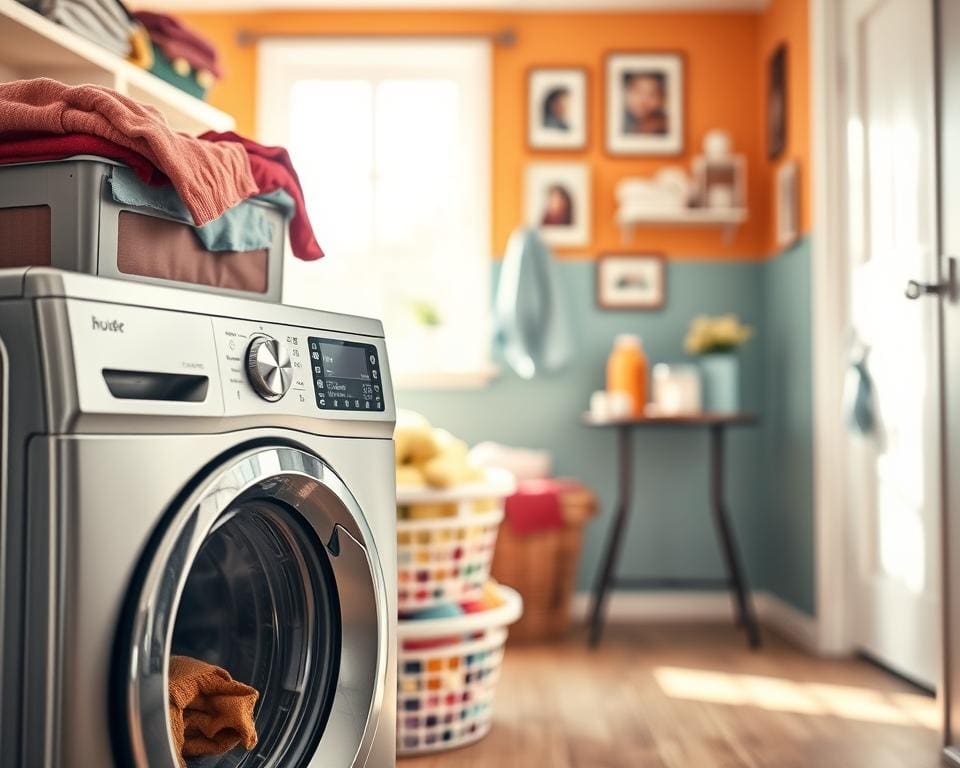
Choosing the right washing machine matters when your household runs on constant loads. This short guide helps you pick from the best washing machines that balance capacity, performance and running costs for busy family life.
Washing machines are one of the most energy-intensive large appliances in the home. In family homes and shared houses, frequent cycles raise energy bills and wear. Modern A+++ equivalent ratings and inverter motor technology, noted by Which? and the Energy Saving Trust, cut consumption and extend lifespan, making an efficient washing machine UK buyers choose a sensible long-term investment.
You’ll find suitable models from established brands available across the UK, including Bosch, Siemens, AEG, Miele, Samsung, LG, Hotpoint, Beko and Whirlpool. These manufacturers cover a range of price points and features, from compact options to a high-capacity washing machine for bigger households.
This article is written for households with children, shared homes, active families with sports and pets, or professionals needing quick turnaround. Expect clear guidance on why reliability matters, the key features to prioritise, and curated suggestions to match your needs.
We’ll weigh capacity, energy efficiency, noise, smart controls and installation types that suit UK homes. Use this piece to shortlist a family washing machine or washing machines for busy households, then cross-check reviews and energy labels before you buy.
Why a reliable washing machine matters for busy households
When you juggle work, school runs and activities, a reliable washing machine becomes central to household flow. Choosing a model with strong washing machine performance cuts interruptions, keeps laundry on schedule and reduces emergency repair costs. Look for reputable testing sources and user feedback before you buy.
How a high-performing machine saves you time and stress
Faster programmes, higher spin speeds and smart cycle management shorten wash-to-wear time. A machine with a high spin speed of 1,200–1,600 rpm removes far more water, which can cut dryer time by up to half compared with low-spin models.
Quick-wash options and delayed start let you run smaller loads at convenient times. Steam and anti-crease cycles reduce ironing and the need to rewash items, giving you back hours each week.
Reliability means fewer breakdowns and less disruption to family routines. Durable designs and accessible service networks limit emergency costs and keep your laundry running.
Energy efficiency and running costs for frequent use
Frequent users should compare energy efficiency washing machine ratings and EnergyGuide figures to estimate real running costs. The A–G labels and kWh per cycle numbers let you compare models directly.
Use 30°C cycles, full loads and eco settings to reduce consumption. Heat-pump and inverter-driven machines often deliver the best savings for busy households.
Keep installation and servicing in mind. A correctly levelled machine and proper detergent dosing preserve washing machine performance and avoid wasted energy over time.
You can check rebates, promotions and service plans to offset higher upfront prices for efficient models. A long-term view often shows lower bills and improved value.
Capacity and spin speed: matching machine size to your household
Choose washing machine capacity to match how many people live with you and the type of loads you wash. Typical front-loader drums run from 7kg to 10kg, compact machines sit at 6kg–8kg and larger 9kg–12kg drums suit big families or duvets.
- 1–2 people: 6–8kg
- 3–4 people: 8–10kg
- 5+ or frequent bulky loads: 10–12kg
Higher spin speeds reduce drying time but may stress delicates. Most machines let you adjust spin speed per programme. Load-sensing technology optimises water and energy per wash, cutting costs and wear on clothes.
Durability and warranty considerations for heavy workloads
For sustained heavy use, prioritise durable washing machines with brushless inverter motors, stainless-steel drums and strong shock absorbers. These components lower failure risk and extend service intervals.
Check the warranty washing machine UK offers and what it covers. Standard warranties often run one to two years. Brands such as Miele, Bosch, Samsung and LG may provide extended guarantees on motors or long-life programmes.
Consider local service availability and parts cost in the UK. Fast authorised repairs reduce downtime. Keep model and serial numbers, purchase documents and photos to support any warranty claim and simplify servicing.
For a practical buying checklist and guidance on matching features to your kitchen or utility space, read more at choosing the right appliances.
Top features to look for when buying a washing machine
When you shop for a new appliance, focus on the washing machine features that will make laundry quicker and kinder to fabrics. A clear set of programmes, reliable controls and sensible installation choices can save time and cut bills. Below you will find practical points to check so you pick a model that suits your home.
Programmes and smart controls that simplify laundry day
Look for a range of programmes such as cotton, synthetics, delicates, wool, allergy-care, sportswear and steam or hygiene cycles. These targeted programmes reduce fabric wear and remove stains more effectively.
A smart washing machine with Wi‑Fi and app connectivity lets you start cycles remotely, get end-of-cycle alerts and download extra programmes. Platforms like Samsung SmartThings, LG ThinQ and Bosch Home Connect are common in the UK market.
Check for safety and convenience extras: child locks, delayed start and clear notifications. These small features help you manage busy days and protect garments.
Quick wash and load-sensing technology for small loads
Quick wash options typically run for 15–30 minutes and suit lightly soiled small loads. Use them when you need urgent items cleaned without running a full cycle.
Load-sensing adjusts water and time to match the load size so you do not waste resources. Proprietary systems you might see include EcoBubble from Samsung, AutoDose from Bosch and 6 Motion from LG.
Keep in mind quick cycles may not clean heavy soil well and can be less efficient per minute. Use them selectively for speed rather than for very dirty items.
Noise levels and anti-vibration systems for open-plan homes
Noise figures vary. Modern front-loaders often operate between 48–75 dB depending on the cycle. Aim for machines with wash noise under 50 dB if yours sits near living space.
Anti-vibration measures include reinforced side panels, balance control, shock absorbers and brushless motors. These reduce movement and make a quiet washing machine more realistic in practice.
Always check both wash and spin decibel ratings on spec sheets and read independent tests such as Which? for real-world noise performance.
Water usage and eco-friendly cycles to reduce bills
Water use varies by model and capacity. Front-loaders tend to be more water-efficient than top-loaders, which helps if you wash frequently.
An eco washing cycle uses lower temperatures and longer times to cut energy use while keeping clothes clean. Heat-pump washer-dryers and inverter motors offer extra savings for energy-conscious households.
Use full loads where possible and consider auto-dosing systems to avoid excess detergent. These steps help the eco benefits add up over many washes.
Installation types: freestanding, integrated and washer-dryers
A freestanding washing machine sits independently and gives installation flexibility. It pairs well with a separate tumble dryer if you want faster drying.
An integrated washing machine fits behind a cabinet door for a seamless kitchen look and suits compact layouts. Check door hinge direction and ventilation needs before you buy.
A washer-dryer UK buyers choose when space is tight. It saves room by combining functions but often has smaller dry capacity and longer dry times. For integrated or washer-dryer installs, ensure proper cold-water supply, drainage access and electrical provision, and follow manufacturer guidance or use a professional fitter.
Best washing machines for different busy household needs
When choosing the best washing machines UK buyers trust, focus on capacity, durability, energy efficiency, noise and overall value. Your selection should match household size and laundry habits. Verify the latest model specifications and energy labels at retailers such as AO, Currys or John Lewis before you buy.
For large families and bulky items, look at 9–12kg front-loaders from Miele, Bosch Series 8, Samsung and AEG. These high-capacity washing machine UK models typically offer large drums, 1,400–1,600 rpm spin speeds, robust motors and dedicated duvet programmes. Miele is noted for long lifespans and strong warranties, while Bosch and AEG strike a balance of performance and after-sales support—use these family washing machine recommendations if you need reliability under heavy use.
If you live alone or in a flat, compact 6–8kg machines from Beko, Hotpoint and Bosch provide quick cycles, good energy ratings and a smaller footprint. Bosch Compact and integrated models from Bosch and Neff suit fitted kitchens. For a quiet washing machine near living areas, consider Samsung EcoBubble, LG Direct Drive/AI and Bosch SilencePlus ranges; check independent noise tests and favour brushless inverter motors for silent operation.
For space-saving convenience, the best washer-dryer choices include LG, Samsung and Bosch units. Expect reduced dry capacities and longer cycles, but enjoy combined functionality. Heat-pump washer-dryers are the most efficient drying option, albeit with higher upfront cost. If budget matters, Beko and Hotpoint often deliver excellent value and decent warranties. Before you commit, prioritise the right capacity, energy rating and high spin speeds, and consult Which? and manufacturer pages for current labelling and real-world performance data.