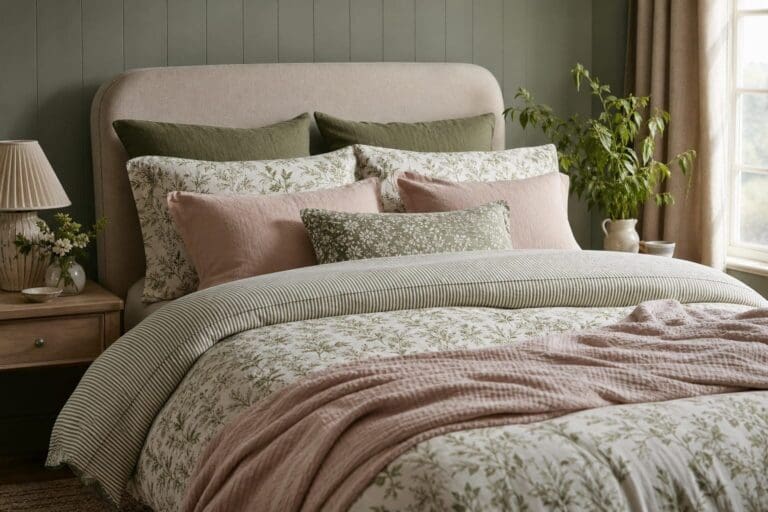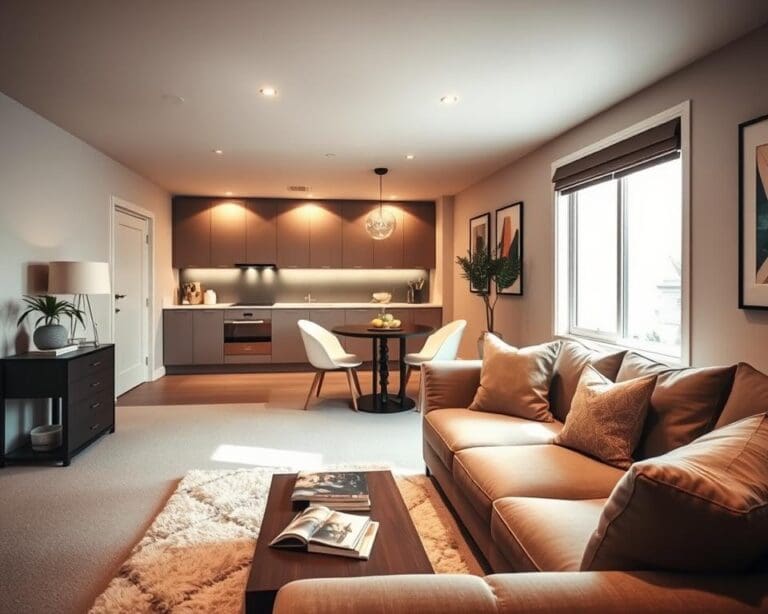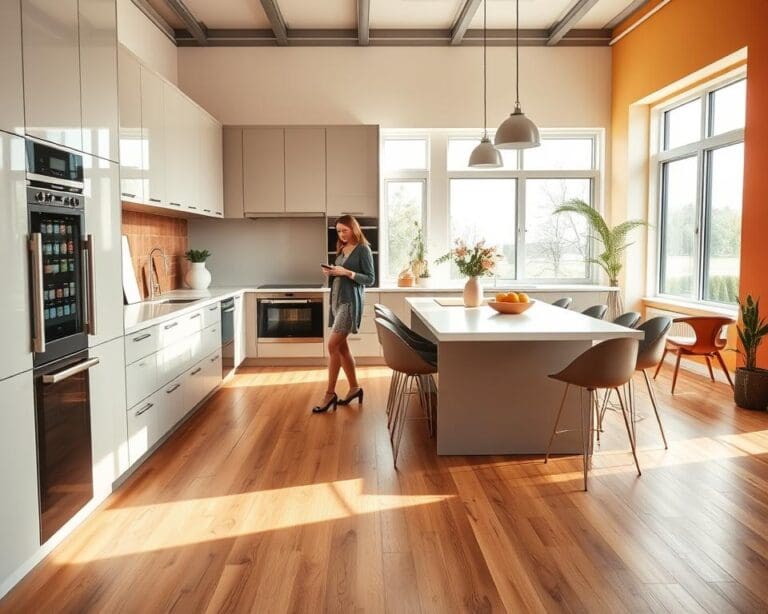
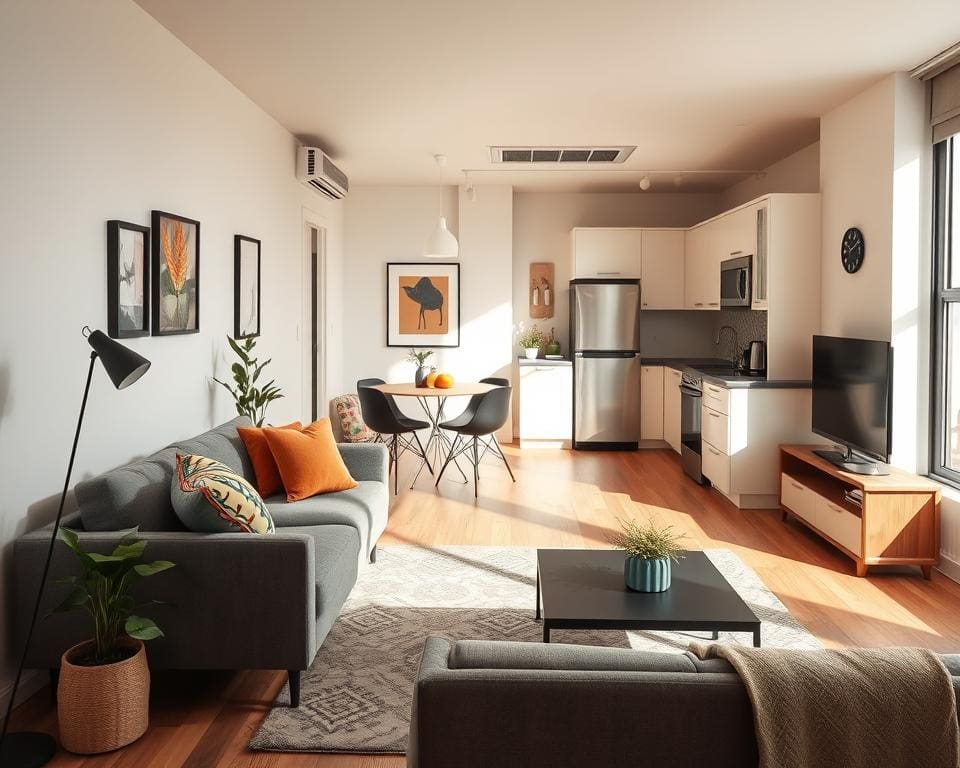
Decorating a small apartment in the UK is both a challenge and an opportunity. You need to balance practicality with style so that your flat feels roomy, organised and personal without wasting valuable square footage.
Start by auditing what you own, measuring rooms and doorways, and noting daily routines like work, sleep and entertaining. Declutter non-essentials and sort items into essentials, things to sell or donate, and items to store elsewhere if space is tight.
Think in zones rather than rooms: a studio apartment ideas approach lets you define living, sleeping and working areas without building walls. Prioritise circulation and comfort when choosing furniture, and favour pieces that serve more than one purpose.
Keep rental constraints in mind. Many tenants prefer removable solutions such as adhesive picture hangers, temporary hooks and peel-and-stick wallpaper to avoid breaching tenancy agreements or communal rules enforced by local authorities.
For compact living tips, look to retailers and designers who specialise in apartment design UK, such as IKEA, Habitat and John Lewis, for multi-functional furniture and storage ideas that suit common UK flat layouts and budgets.
As you begin decorating a small apartment, aim to reduce visual clutter, select light-coloured finishes to increase perceived space, and create a clear checklist: essential furniture, items to relocate, and storage needs. This practical start sets the tone for small flat décor that is both attractive and functional.
For more targeted techniques and specific products, see a concise guide on space-saving solutions and styling at what is the best way to decorate a small.
Smart space planning for a small apartment
Good space planning small apartment starts with a clear, honest look at your flat. Note the flow, window positions, radiators and plumbing. This helps you decide which functions must fit in: sleeping, cooking, working and socialising. A quick sketch or a free app such as RoomSketcher or Floorplanner will save time and prevent costly mistakes.
Assess your floor plan and priorities
Measure walls, door swings and alcoves before you buy furniture. Mark load-bearing walls and communal areas on your plan, and check your lease or ask your landlord about alterations. Rank needs: if you work from home, give a desk space; if you entertain rarely, choose compact seating over a large dining table.
Use UK-specific knowledge to your advantage. Victorian and Georgian flats often have alcoves or bay windows that make excellent storage or seating. Remember radiators can limit placement, so factor them into your layout decisions.
Define zones without walls
Create a zoned studio layout with rugs, furniture orientation and open shelving. Position a sofa back to form a visual divider, use low consoles for separation and tall plants for soft screening. Maintain visual continuity with a restrained palette and consistent materials to keep the flat feeling spacious.
For rentals, choose temporary screens, curtain tracks or freestanding bookcases that don’t require fixtures. A fold-down or extendable table tucks away when not in use and defines a dining zone without stealing floor space.
Multi-functional furniture and storage solutions
Choose multi-functional furniture UK shoppers can find at IKEA, Dunelm, Made.com or Argos. Look for sofa beds, ottomans with hidden storage, wall-mounted fold-down desks and extendable dining tables. Consider beds with built-in drawers or slimline wardrobes, and modular shelving such as KALLAX for flexible arrangement.
Adopt small flat storage ideas that use vertical space. Fit floor-to-ceiling shelving, floating shelves and over-door organisers. Use the area above doors for slim storage and under-bed boxes for seasonal items. Secondhand marketplaces like Gumtree and Facebook Marketplace are good for budget-friendly, characterful finds.
Measure and plan before you buy
Take exact measurements of rooms, doorways, staircases and lifts. Note ceiling heights and protrusions such as radiators. Create a to-scale paper cut-out plan or use digital tools to place pieces virtually. Ensure walkways remain clear with at least 60–75 cm for circulation.
Check delivery dimensions to make sure furniture will pass through narrow stairwells and doors common in many UK flats. Make a mood board with fabric samples and paint swatches, and buy large, statement pieces last so they fit your overall plan and storage choices.
For practical organising and extra tips, consult practical guides such as this small apartment organising resource to expand your apartment floor plan tips and find more small flat storage ideas.
Styling and colour strategies to make a small apartment feel larger
A few thoughtful styling moves will change how your compact living feels and functions. Focus on colour, light and carefully chosen furniture to open sightlines and add calm. The tips below help you plan a cohesive look that reads as spacious rather than cluttered.
Use light and neutral colour palettes
Choose pale neutrals such as soft whites, warm beiges or pale greys to reflect light and create visual continuity. A neutral palette compact living scheme reduces breaks in the eye line and makes rooms feel bigger.
Layer tones rather than rely on stark white to avoid a clinical feel. Introduce accent colours sparingly through cushions, art or a painted feature wall to add personality without overwhelming the space.
For paint finish, use eggshell or satin on walls for a subtle sheen that hides imperfections. Reserve satin or semi-gloss for trim to add crisp definition. Pick washable paints for hallways and kitchens that see heavy use.
If you live in a north-facing flat, test sample pots at different times of day. Lighter, warmer neutrals counteract cooler natural light and suit many UK flats.
Optimise natural light and layered lighting
Maximise daylight by keeping window dressings minimal. Sheer curtains, light Roman blinds or top-down-bottom-up shades let in light while offering privacy. Place a mirror opposite a window to bounce light deeper into the room.
Build a layered lighting plan with ambient, task and accent sources. Use an overhead fitting for general light, desk and floor lamps for reading and under-cabinet LEDs for kitchen worktops. Add picture lights or LED strips to highlight art or shelves.
Fitting dimmers gives you control of mood and perceived scale. Use LED bulbs for energy efficiency and longevity. For any work on fixed wiring, hire a qualified electrician and follow building rules and landlord consent in the UK.
Scale, proportion and streamlined furniture
Choose pieces that match the room’s proportions to avoid visual crowding. Lean silhouettes, exposed legs on sofas and chairs and low-profile designs maintain sightlines and air beneath furniture.
Opt for narrow armchairs, compact two-seater sofas or small three-seaters where appropriate. Shallow-depth bookcases and multi-functional items keep storage tidy without dominating the room.
Keep one visual focal point per zone to prevent a cluttered feel. Look to British makers and retailers such as Loaf, MADE and Habitat for compact ranges that respect furniture scale small rooms.
Textures, patterns and focal points
Layer natural fibres like wool throws, cotton linens and jute rugs to add warmth without density. Mix materials — wood, metal and glass — to create depth while maintaining a light aesthetic.
Limit patterns to one or two complementary pieces, for example a patterned cushion or rug, rather than several competing prints. Repeat a cohesive accent colour across rooms to tie the scheme together.
Create a single strong focal point such as a large artwork, a statement light fitting or a painted wall to anchor the space. Keep horizontal sightlines clear so your apartment reads wider and more open.
Interior styling tips UK should guide choices on colour, lighting and scale so your small flat becomes a calm, practical and stylish home.
Decor tricks, organisation and maintenance for comfortable small apartment living
Keep your small apartment organisation simple and regular to prevent clutter from taking over. Use a one-in, one-out rule for clothes and goods, and plan seasonal audits to donate items in good condition to charities such as British Heart Foundation or Oxfam. Small daily habits — make your bed, clear work surfaces and sort post each evening — will make a big difference to how roomy your flat feels.
Adopt storage hacks UK shoppers can use right away. Fit slim console tables and wall hooks at the entry, and choose stackable containers, magnetic knife strips and under-shelf baskets in the kitchen to free up worktops. In bedrooms and bathrooms, consider over-toilet shelves, hanging wardrobe organisers and bed lifts for seasonal storage; label boxes or use clear containers so you can find things fast.
Use decorating tips small flat owners favour to increase function without crowding space. Mirrors, glass and acrylic furniture minimise visual bulk, while well-sized rugs anchor zones. Window seats or built-in benches with hidden storage work particularly well in bay windows often found in UK flats. Add low-maintenance plants like Sansevieria or pothos in hanging planters to add life without using floor area.
For compact living maintenance, follow manufacturer care for upholstery and mattresses, vacuum rugs, and wipe kitchen surfaces to prevent grime. Protect floors with felt pads and use coasters to limit wear. Do seasonal checks on window seals and test smoke and CO alarms regularly. Be cost-conscious by upcycling second‑hand furniture, buying key investment pieces such as a good mattress, and choosing sustainable options like FSC timber and low‑VOC paints for long-term savings. Treat decorating as an iterative process: start with essentials, live with arrangements, then refine with accessories once you know how you use your space.