
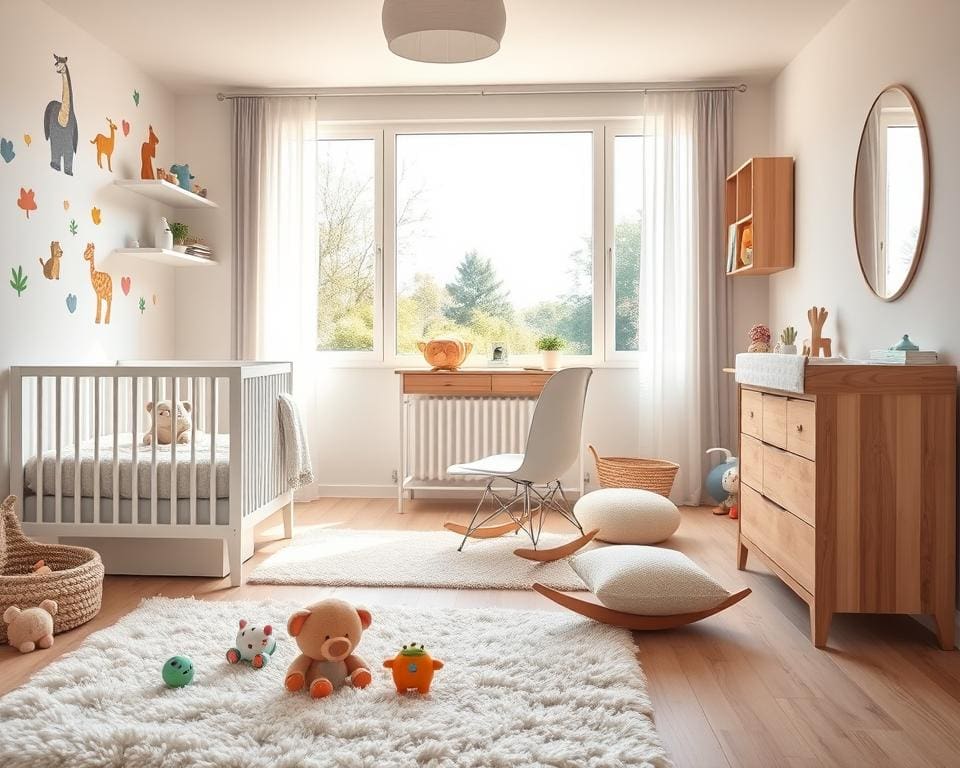
A well-planned nursery should support your child from the newborn stage through toddlerhood and into the early school years. Instead of choosing furniture and décor for one short phase, you can create a room that changes as your child grows.
Good nursery design brings together safety, comfort, storage and lasting style. Reusable furniture and a flexible layout allow you to update the room without replacing every major item. This approach makes a growing-with-your-child nursery more practical and cost-effective.
Begin with careful nursery planning. Measure the room and note the position of windows, doors, radiators and power sockets. Think about how furniture placement may need to change when your child starts rolling, walking, choosing toys and becoming more independent.
An adaptable nursery should include a safe sleep area, space for play and storage that your child can gradually reach. You can also plan for a small reading or learning area as new skills develop. These simple zones help turn the room into a flexible children’s room.
A future-proof nursery does not need to feel plain or characterless. Use a calm base, then add colour and personality with soft furnishings, artwork, books and toys. These details are easy to replace as your child’s interests change. For more practical ideas, explore this guide to designing a child-friendly room.
Safety should guide every decision. Follow NHS and The Lullaby Trust guidance for infant sleep, secure furniture to the wall and keep cords, small objects and unsafe items out of reach. Review the room often, as new abilities can create new risks.
Plan a flexible nursery design for every stage
Good nursery room planning gives you space to respond as your child grows. Choose items that serve more than one purpose, fit the room well and suit each stage from babyhood to school age. This approach can reduce waste and the cost of future updates.
Use this nursery furniture checklist before buying: measure the room, check weight limits, inspect fixings and read cleaning instructions. Include safety checks for every item, especially tall furniture and products used for sleep.
Choose adaptable furniture that can be reused
Look for adaptable nursery furniture with simple shapes and durable finishes. Neutral wood, painted timber and robust laminates can suit changing colour schemes. Replaceable handles can refresh a chest of drawers without replacing the whole piece.
A cot bed can convert into a toddler bed and provide useful value for several years. Select a model that meets relevant British and European safety requirements. Assemble it exactly as the manufacturer instructs, with every fixing checked before use.
A sturdy chest of drawers can hold clothing, toys and school supplies long after the changing stage. If you add a changing unit on top, make sure it is secure and stable. Follow the manufacturer’s safety guidance every time you use it.
Choose multifunctional nursery furniture where possible. A compact armchair or rocking chair can support feeding, soothing and story time. It may serve you for longer than a specialised nursing seat.
Create a layout that supports changing needs
Start with nursery layout ideas that protect clear paths around the room. A flexible nursery layout makes it easier to move the cot, chair and storage as your child develops. This matters in small nursery design, where each item must earn its space.
Modular furniture can change with your storage needs. Modular shelving, stackable boxes and adjustable rails can be reconfigured without a major room update. Secure tall or heavy items to the wall to reduce the risk of tipping, following guidance from organisations such as RoSPA.
Reusable children’s furniture should be easy to clean and strong enough for daily use. Check its dimensions, weight limits and fixings before purchase. Assemble flat-pack furniture correctly, and inspect it regularly for loose parts or damage.
Design clear zones for sleeping, playing and learning
Divide the room into practical nursery zones. Keep the cot in a calm, uncluttered area, with storage nearby for night-time essentials. A separate play space supports safer movement and simpler tidying.
Use nursery zoning ideas to create a clear sleep play learn nursery. Soft flooring can define the play area, while low shelves keep favourite items within reach. Thoughtful play area design gives your child room to explore without blocking walkways.
A small bookcase and comfortable chair can form a reading corner nursery. Place it near good light, away from the cot and heavy storage. This child-friendly room layout supports quiet stories, early learning and time together as your child grows.
Use timeless colours and décor that evolve with your child
A flexible nursery should feel calm for a baby, practical for a toddler and personal for an older child. Start with a simple backdrop, as you would in a child-friendly living, and let smaller details change over time.
Select a versatile nursery colour scheme
Choose a nursery colour scheme that can suit each stage of childhood. Soft white, warm neutral, muted green, gentle blue, earthy terracotta and pale grey create a flexible base for a gender-neutral nursery.
Calming nursery colours can make the room feel restful without limiting your choices. Use one main colour with one or two complementary tones. This approach gives you space to add brighter shades through bedding, rugs, lampshades and toys.
Test paint samples on more than one wall. Natural and artificial light can alter the way a colour looks across the day. Pick a durable, washable paint for areas within reach, and follow the product guidance on drying times and ventilation.
For useful children’s bedroom paint ideas, avoid very dark shades in a small or poorly lit room. A deeper tone can work well on one nursery feature wall or in small, removable details. Safe furniture placement, suitable lighting and a comfortable temperature still matter more than colour alone.
Use removable wallpaper and changeable wall décor
Removable nursery wallpaper lets you create interest without making a permanent commitment. A nature print, animal pattern or soft geometric design can suit early years and remain appealing as your child grows.
Peel-and-stick wallpaper works well on a nursery feature wall when you want a quick update. Check that the surface is clean, smooth and suitable before applying it. A small pattern can make a room feel lively without overwhelming the space.
Build changeable nursery décor with framed prints, wall decals and children’s wall art. Choose pieces that can be moved, replaced or rearranged as interests develop. This keeps the room fresh without repeated decorating work.
Add personality with soft furnishings and accessories
Use nursery soft furnishings to bring warmth and colour into a restrained scheme. Cushions, rugs, curtains and blankets can add energy, while washable nursery textiles make everyday cleaning easier.
Nursery accessories such as baskets, lampshades and storage labels can reflect your child’s changing interests. Select safe, durable items with rounded edges and keep loose pieces away from the cot.
Thoughtful children’s room styling leaves room for choice. Invite your child to select a print, colour or cushion when they are ready. Personalised nursery décor, such as an initial print or favourite illustration, can create a sense of ownership without fixing the room to one theme.
Invest in practical furniture and clever nursery storage
Choose nursery furniture that works hard at every age. A well-planned cot bed can support sleep, clothing and play without making the room feel crowded. Pair durable pieces with flexible nursery storage ideas, so your child’s room can change without costly replacements.
Choose a cot bed that converts as your child grows
A cot bed gives you a longer-term sleep solution. It changes from a cot into a toddler bed, and some models can become a day bed. This makes a convertible cot bed a practical choice for nursery sleep furniture.
Check the recommended age, height and weight limits before each change. Choose a model that meets current UK product safety requirements and includes clear assembly and conversion instructions. A safe cot bed UK families can trust should have a firm, flat mattress made for that specific model. The mattress must fit securely, with no dangerous gaps.
Adjustable mattress heights can make lifting a young baby easier. Lower the mattress as soon as your child can sit or pull up. Plan the move to a toddler bed before your child tries to climb out. Recheck windows, cords, shelves and climbable furniture after the change.
Keep the cot away from windows, heaters, blind cords, shelves, pictures and furniture that your child could pull down. Keep the sleep space clear of bumpers, pillows, quilts, nests, sleep positioners and loose toys. Follow NHS and The Lullaby Trust guidance on baby sleeping bags or light bedding, and place your baby on their back in a clear, separate sleep space.
Combine open and closed storage solutions
Use a mix of open shelving nursery units, drawers and cupboards. Open shelves keep daily items in view, while closed storage hides spare bedding, nappies and less-used clothes. This balance creates useful children’s room storage without making the space look busy.
Wall-mounted shelves, peg rails and hanging baskets use vertical space well. Fix every heavy unit to a suitable stud or plasterboard fixing. Keep heavy items away from the cot and changing area. Low shelves, slim towers and under-cot drawers add space-saving nursery furniture to small rooms.
A changing dresser can combine drawers with a secure changing top. It gives you one compact place for clothes, nappies and care items. Washable fabric bins, seagrass baskets and clear boxes make accessible nursery storage simple to maintain. Read practical nursery storage ideas for more ways to use awkward corners and wall space.
Make toys, books and clothing easy to access
Store everyday toys in low baskets or open boxes. These toy storage ideas help your child choose an item and put it away. Low, front-facing shelves support a Montessori-inspired nursery, since your child can see and reach suitable toys without climbing.
Use forward-facing racks for children’s book storage. Group books by theme or reading level, with favourites at the front. Keep small parts in lidded boxes once your child is old enough to use them safely.
For toddler wardrobe organisation, place daily outfits on a low rail or in labelled drawers. Keep seasonal clothing in closed storage above adult reach. Use washable labels on fabric bins and clear labels on boxes, so every item has a clear home.
Prioritise safety, comfort and everyday functionality
Good safe nursery design starts with a clear sleep space. Follow NHS and The Lullaby Trust guidance by placing your baby on their back in a separate cot with a firm mattress. Keep pillows, toys and loose bedding out of the cot, and avoid overheating. Keep the cot away from radiators, heaters and direct sunlight. Check your baby’s clothing and bedding as well as the room temperature.
Make baby room ventilation a priority without creating cold draughts. Check windows, blind cords and opening restrictors as your child becomes more mobile. Use layered lighting to suit each task: soft light for night feeds, brighter light for dressing and cleaning, and focused light for reading. Secure lamps, cover exposed bulbs and keep cables away from hands and walkways.
A useful nursery safety checklist should include tested smoke and carbon monoxide alarms, clear escape routes and easy access to the door. Anchor wardrobes, drawers, bookcases and shelves to the wall, then recheck the fixings after any move. Keep medicines, batteries, magnets, cleaning products, toiletries, small objects and electrical items out of reach. Use sturdy baby gates where stairs or other hazards need extra protection.
Choose wipe-clean, breathable materials and inspect the cot, mattress supports, drawers and hinges often. A comfortable nursery should also be easy to maintain, with calm colours, durable furniture and practical storage. Review the room when your child crawls, stands, walks and climbs, as each stage brings new risks. For more practical nursery ideas, focus on adaptable choices rather than costly themes. The best room is safe, comfortable and affordable to adjust as your child’s routines and interests change.