Choosing bathroom tiles for a family home means balancing style with daily demands. Your tiles should handle water, frequent use, spills and regular cleaning without losing their appeal.
Think about how you use the room before choosing a finish. A busy bathroom may need hard-wearing floors, water-resistant walls, slip-conscious surfaces and grout that is simple to keep clean. This is the foundation of practical bathroom design.
Porcelain, ceramic and natural stone are the main materials to compare. Each offers different benefits for price, strength, appearance and upkeep. The right choice will depend on your budget, household needs and preferred style.
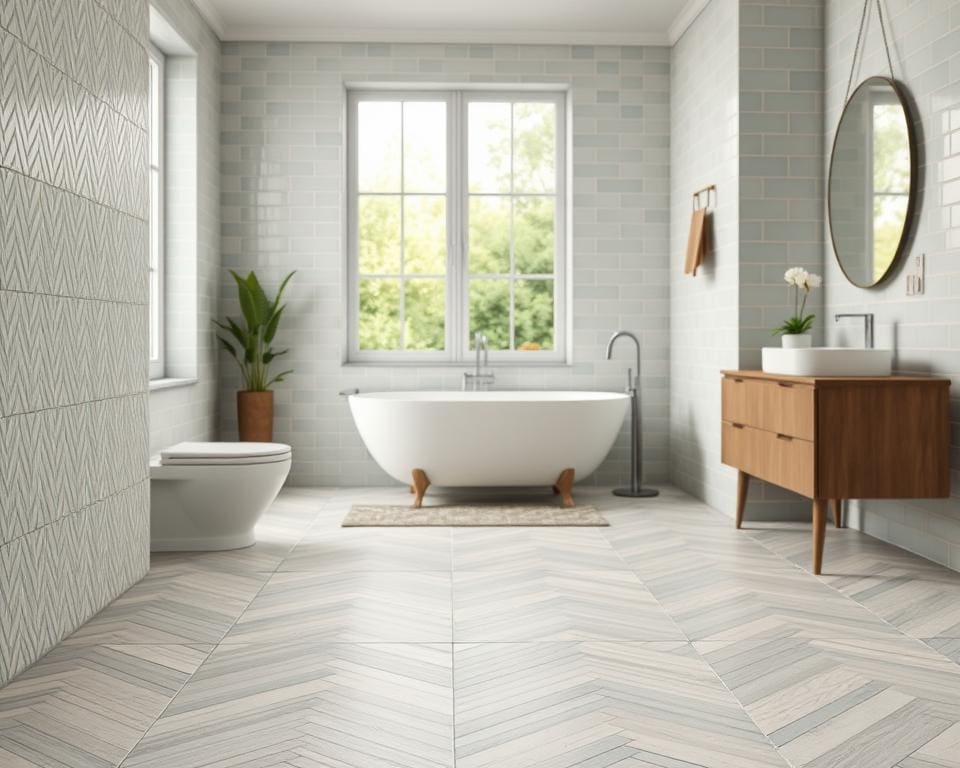
You can also create stylish bathroom ideas without giving up practicality. Colour, pattern, tile size, laying direction and grout shade all affect the final look. A careful balance between wall and floor finishes can make the room feel calm, spacious and modern.
Suitability also depends on where the tile will be fitted. Floors need a stable, suitable surface underfoot, while walls can place more focus on decoration and easy cleaning. This guide will help you compare modern bathroom tiles, choose durable bathroom flooring and create a comfortable family space that is simple to maintain.
Choosing bathroom tiles for a stylish and practical family space
When learning how to choose bathroom tiles, start with the room’s daily demands rather than its colour scheme. Consider how many people use the bathroom, how often it is used and whether children splash water during bath time. Toiletries, damp towels and muddy footprints can place extra pressure on the finishes.
A well-planned family-friendly bathroom design should separate wall and floor needs. Bathroom wall tiles can create a decorative backdrop around the bath, shower, basin and toilet. Bathroom floor tiles need good durability, a stable surface underfoot and compatibility with the existing subfloor.
Read the manufacturer’s guidance before you buy. Check that each product suits wet areas and is approved for its intended use. Porcelain or glazed ceramic may be suitable for a wall, yet a particular range may not provide the grip or strength needed for a floor.
Waterproof bathroom surfaces need more than attractive tiles. Plan the substrate, membrane and drainage before installation. Shower walls and floors may need a suitable waterproofing system, such as Schluter-KERDI or a manufacturer-approved liquid membrane. A correct fall towards the drain helps prevent standing water.
Think carefully about bathroom tile size and colour. Large-format tiles create a calm look with fewer grout joints, which can make a compact room appear more open. They need a sound, even surface and careful planning around fittings. Smaller tiles suit curves, niches and awkward corners, though their extra grout joints need more cleaning.
Pale shades reflect light and can make a small bathroom feel brighter. Mid-tone or darker tiles add depth and may disguise everyday marks. A neutral base with a contrasting feature tile can add character without making the room look crowded. View samples in the bathroom, since daylight, ceiling lights and fittings can alter their appearance.
Grout has a strong effect on the finished design. A close colour creates a smooth, understated surface, while a contrasting shade highlights the tile pattern. For a busy family room, choose grout with suitable stain and mould resistance. Follow the cleaning advice carefully, especially in areas exposed to regular moisture.
Easy-clean tiles can reduce routine work, yet the grout and sealant still need attention. A consistent palette often gives the best result: use one finish across the main walls, then add a complementary style in the shower, behind the basin or across the floor.
Plan details before ordering materials. Check tile thickness, trims, fixture positions, movement joints and waterproofing requirements. Allow extra tiles for cuts and future repairs. A professional tiler can confirm quantities, prepare awkward layouts and assess whether your chosen materials suit the room.
For further guidance, explore how to choose bathroom tiles with the room’s function, maintenance needs and overall style in mind.
Durable tile materials for busy family bathrooms
Busy bathrooms need surfaces that cope with splashes, muddy feet and daily cleaning. Durable bathroom tiles can protect walls and floors while supporting a calm family bathroom wall design. Your choice should balance durability, appearance, cost and care, not just colour.
Porcelain tiles for long-lasting performance
Porcelain bathroom tiles are dense, strong and less absorbent than many alternatives. These low-porosity tiles suit wet rooms and busy floors, where water resistance and easy care matter. Porcelain bathroom floor tiles can provide reliable hard-wearing floor tiles for a family bathroom.
Hard-wearing porcelain tiles come in many finishes. Wood-effect porcelain tiles bring warmth without the upkeep of timber. Stone-effect porcelain tiles create a natural look with fewer sealing demands. Large formats can reduce grout joints, which helps the room look more spacious and simplifies cleaning.
Porcelain often costs more than standard ceramic, and its density can make cutting harder. A skilled tiler should use the correct adhesive, grout and tools. Check the product data for floor suitability, water absorption and slip performance before you buy.
Ceramic tiles for affordable wall finishes
Ceramic bathroom tiles offer a practical route to stylish walls at a lower price. They are lighter and easier to cut than porcelain, which can help control installation costs. Glazed ceramic tiles resist marks and moisture when fitted correctly, making them useful low-maintenance bathroom materials.
Ceramic bathroom wall tiles work well behind a basin, bath or shower. Affordable bathroom tiles can still look refined when you choose a thoughtful layout. Metro tiles bring a lasting feel, while patterned wall tiles can add colour to a simple family bathroom wall design.
Ceramic is best suited to walls unless the manufacturer confirms floor use. The surface, adhesive and grout must suit the room’s moisture levels. A level, sound wall supports a neat finish and helps prevent cracked tiles or loose edges.
Natural stone tiles for a premium look
Natural stone bathroom tiles give your room depth, texture and organic variation. Marble bathroom tiles offer striking veining and a polished finish that suits luxury bathroom design. Slate bathroom tiles provide a darker, textured surface, while limestone bathroom tiles create a softer and warmer appearance.
Stone can be durable, though it needs more care than porcelain or glazed ceramic. Many types require sealing before use and at set intervals. Sealed stone tiles are easier to protect from water, soap and staining, yet you should use cleaning products approved for the chosen stone.
Natural stone may cost more to buy and install. Each tile can vary in shade, thickness and texture, so your installer may need extra time for sorting and preparation. Waterproofing, a suitable subfloor, flexible adhesive and compatible grout all support a long-lasting finish.
Material alone does not decide performance. Always read the manufacturer’s technical information, including guidance on slip resistance, water absorption, floor suitability, cleaning products and sealing requirements. For further ideas on combining quality materials with an elegant finish, explore luxurious bathroom tile choices.
Stylish, safe and easy-clean tile ideas
Choose non-slip bathroom floor tiles with a surface and technical rating suited to wet areas. A matt or textured look alone does not prove slip resistance, so check the manufacturer’s guidance before buying. This helps create safe family bathroom flooring without sacrificing style. Pair a neutral porcelain floor with decorative ceramic tiles behind the basin or bath for a balanced finish.
Matt and lightly textured tiles add depth and often hide water marks better than high-gloss finishes. Keep the texture moderate, so cleaning remains simple. Large-format tiles can make a room feel spacious, while metro tiles in a brick pattern offer a timeless look. Vertical layouts highlight ceiling height, and a patterned strip in a shower enclosure adds interest. Terrazzo-effect and marble-effect porcelain also deliver character with less upkeep.
For easy-clean bathroom tiles, choose smooth glazed surfaces, fewer grout joints and well-sealed natural stone. Pale grout gives a seamless appearance but can show marks, while a mid-tone shade defines bathroom tile patterns and hides everyday splashes more effectively. Mould-resistant grout and correctly finished silicone joints support a low-maintenance bathroom design. Good extraction and regular airing also reduce condensation, mould and lingering moisture.
Clean soap residue, splashes and limescale regularly with products approved for your tiles and grout. Avoid harsh cleaners, especially on natural stone or specialist finishes. Tiles and grout are not a substitute for waterproofing behind a bath or shower. For most busy family bathrooms, porcelain is the strongest all-round floor choice, ceramic offers an affordable wall finish, and natural stone creates luxury when you follow its sealing and care requirements.