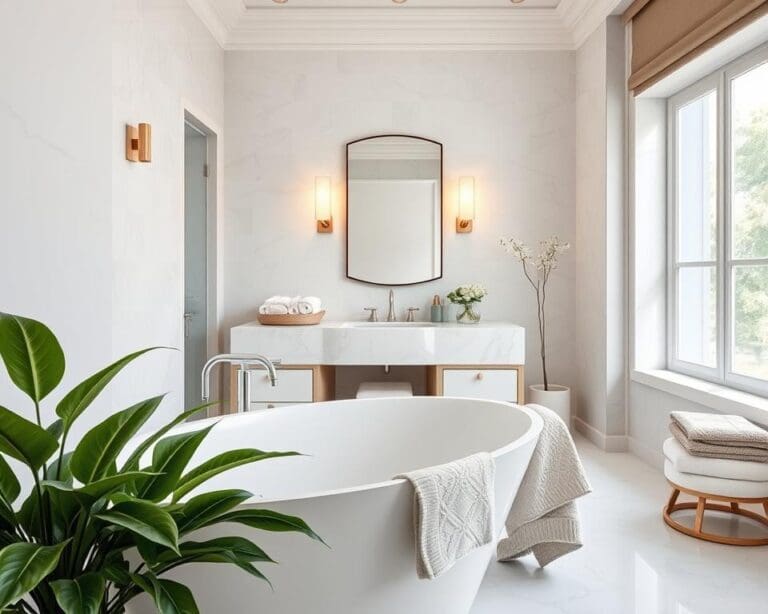
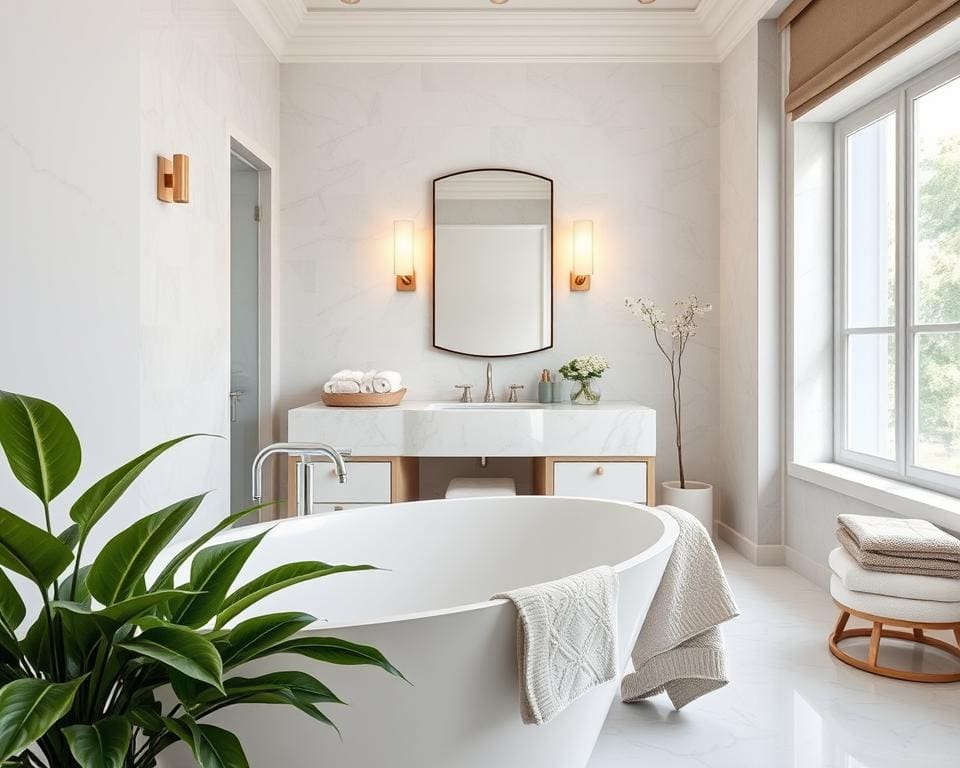
A luxury bathroom is not defined by the price of every product. Proportion, comfort, good lighting and coordinated details often create a more convincing result. With careful choices, you can achieve an affordable luxury bathroom without relying on premium designer brands.
Start by directing your budget towards features with the greatest impact. A well-chosen shower, basin, bath, flooring, storage and lighting can transform the room. In a small bathroom design, a restrained colour palette and matching finishes can also make the space feel calmer, brighter and larger.
Planning matters during any budget bathroom renovation. Unnecessary plumbing changes, poor measurements and unsuitable materials can quickly raise costs. Keeping the existing layout where possible may leave more money for waterproofing, ventilation, durable surfaces and attractive finishing details. For further ideas, explore these small bathroom renovation tips.
A smaller budget should never mean cutting corners on safety or durability. Electrical work, plumbing, ventilation, waterproofing and structural changes must meet UK requirements. Use qualified tradespeople where needed, then build your scheme in stages: plan the budget, choose convincing materials and finish with lighting, hardware, textiles and accessories. This approach can give your UK bathroom refurbishment a polished, high-end feel.
Plan your luxury bathroom design around your budget
A clear budget gives your luxury bathroom design a firm starting point. List every part of the work before choosing products, from sanitaryware and furniture to tiles, flooring, lighting, ventilation, taps and shower fittings. Include labour, delivery, waste disposal and a contingency allowance.
For a useful guide to reducing costs, explore these budget bathroom renovation ideas. Compare detailed quotations before you commit, since bathroom renovation costs can vary widely between properties and installers.
Set a realistic budget and prioritise essential improvements
Divide your bathroom renovation budget UK plan into essential work and cosmetic updates. Essential work protects safety and long-term performance. It may include repairing leaks, replacing damaged floorboards, improving ventilation, renewing unsafe wiring and correcting pipework.
Cosmetic changes can include new handles, mirrors, paint, accessories and decorative lighting. These details can create a polished look when the main structure is sound.
Keep 10–20% of your initial estimate as a contingency fund. Older UK homes can hide uneven walls, degraded pipework, poor ventilation, outdated wiring and damaged substrates. The right allowance depends on the property’s age and condition.
Give priority to improvements that affect daily use. A reliable shower, effective extraction, useful storage, durable flooring and well-fitted sanitaryware often offer more value than costly ornaments.
Check electrical plans before work starts. Bathroom installations must follow BS 7671, including the rules for bathroom zones and suitable ingress protection ratings. A competent electrician should complete and certify electrical work.
Plan ventilation from the start. A suitable extractor fan helps control condensation, mould and damage to paint or sealant. Its performance should suit the room size, level of use and duct route.
Choose where to spend and where to save
Spend more on products that face daily use. A quality shower valve and handset can improve water control and comfort. A durable toilet, basin and bath can reduce the chance of early replacement. Proper waterproofing and skilled installation matter more than choosing the most expensive tile.
A well-designed vanity unit can combine basin space, storage and visual impact. Good lighting can make affordable materials look more refined while helping you shave, apply make-up and clean the room with ease.
Affordable bathroom fittings can still deliver a smart finish. Reputable mid-market ranges from Victoria Plum, B&Q, Wickes, Victorian Plumbing and Crosswater offer practical choices. Look for sturdy finishes, replacement parts and clear guarantees.
Keep an existing bath or toilet if its condition and position are suitable. Select a standard-size basin or vanity unit instead of a bespoke model. Use a premium tile as a feature behind the basin or shower, rather than covering every wall with it.
Sound furniture may only need new handles, fresh paint or a replacement worktop. These small changes can refresh the room without the price of a full replacement.
A wall-hung toilet with a concealed cistern can create a clean, modern appearance. It may need a support frame, extra installation work and access for future maintenance. Include these requirements when comparing bathroom renovation costs.
Use layout planning to avoid costly plumbing changes
Bathroom layout planning can prevent some of the largest avoidable expenses. Keeping the toilet, basin, bath and shower close to their current positions usually reduces changes to water supplies and waste pipes. This approach can keep bathroom plumbing costs under control.
Measure the room carefully. Record door swings, window positions, ceiling height, soil pipe location, radiator position and existing service routes. A scaled plan can show whether a walk-in shower, shower-bath combination or compact vanity will fit comfortably.
Moving a toilet can be disruptive because its waste pipe needs a suitable fall and access to the soil pipe. Moving a basin or shower may require new pipework, wall access and extra labour. These points matter during a small bathroom renovation, where each centimetre affects movement and storage.
Use vertical storage when floor space is limited. Wall-mounted shelves, over-the-toilet units, slim cabinets and simple hooks can keep surfaces clear. Open shelving and baskets can make unused corners useful without major building work.
Ask each contractor to separate products, preparation, installation, delivery, disposal and remedial work in the quotation. Like-for-like quotes make it easier to see whether a lower price reflects a genuine saving or missing work.
Design a luxury bathroom with affordable materials
Choose materials by weighing style against water resistance, slip resistance, cleaning needs, installation and replacement cost. A surface may look luxurious, yet perform poorly in a damp room. That choice can lead to staining, damage and costly repairs.
The best affordable luxury bathroom materials give you a refined finish without demanding constant care. Porcelain and good-quality ceramic are practical alternatives to natural stone. They resist moisture well and come in many colours, textures and patterns.
Marble effect tiles, limestone-effect designs and terrazzo-effect porcelain can create a high-end look. They tend to need less care than porous stone. Porcelain bathroom tiles can mimic timber, fabric and slate, which gives you more choice when working with a limited budget.
Large-format tiles can make a compact bathroom feel calmer and more spacious. They use fewer grout lines, creating a cleaner surface. Check your walls before ordering, as large tiles need a level background, accurate cutting and careful fitting. Extra labour may reduce the saving.
Use decorative tiles with care. A patterned design behind the basin, inside the shower area or on a recessed wall can form a strong focal point. You do not need to cover every wall to create a memorable finish.
Compare layouts before you buy. A simple stacked pattern looks fresh and modern. A brick layout feels more traditional, while herringbone adds movement. Detailed patterns need more cuts and can take longer to install. Budget bathroom tiles can look polished when the layout suits the room.
Grout and silicone affect the finished appearance. Matching grout makes a tiled wall feel more continuous. A contrasting shade highlights the pattern. Use sanitary-grade silicone at joints exposed to water, and replace it when it becomes cracked, stained or loose.
Extensive tiling is not your only option. Moisture-resistant bathroom wall panels can reduce visible joints and speed up installation. Check the product specifications, wall preparation and suitability for direct shower areas before you commit. Waterproofing behind tiles remains essential, as tiles and grout do not form a complete tanking system.
A suitable waterproofing system may be needed in a wet room or around a shower, depending on the substrate and installation method. Follow the manufacturer’s guidance for tanking, adhesives and sealants.
Choose a simple, coordinated sanitaryware range. A white toilet, basin and bath reflect light and remain easy to match or replace. An affordable bathroom suite can look elegant when its proportions suit the room and its lines are kept consistent.
A freestanding bath creates drama, yet it can need more floor space, stronger support and extra plumbing. A fitted bath or shower-bath combination may offer better value in a smaller bathroom. It can provide comfort without taking over the floor plan.
Select one main finish for taps and shower fittings. Chrome is widely available, easy to match and often cost-effective. Brushed brass, matt black and brushed nickel create a modern feel, but check coating quality, cleaning needs and consistency across each product.
For the floor, porcelain offers strength and water resistance. A luxury vinyl flooring bathroom design can provide a warmer feel underfoot, with convincing stone or timber effects. Quality sheet vinyl and luxury vinyl tiles can suit a busy family bathroom when fitted over a suitable, even base.
Real timber, untreated stone and some laminates need extra care. They may not suit every wet area. Check guidance for sealing, underlay, adhesives, cleaning and standing water before installation.
Let the wall colour support your chosen materials. Warm white, soft grey, muted green and earthy neutral shades can create a calm, spa-like mood. A darker colour can add depth when the room has enough light and reflective surfaces.
Take samples into the bathroom before buying. Window direction, artificial light, grout colour and nearby surfaces can change how a tile or metal finish appears. Small test boards can prevent an expensive mismatch.
Good installation gives affordable materials a more expensive appearance. Straight tile lines, even silicone joints, aligned taps and neat edge trims all matter. Careful workmanship can make a modest specification feel considered and refined.
Complete your bathroom with elegant, budget-friendly finishing touches
Choose luxury bathroom finishing touches that support your existing design. Repeat the same metal finish, wood tone and colour palette across the mirror, tapware, cabinet handles, towel rails and affordable bathroom accessories. For effective budget bathroom styling, select fewer, better-made details rather than filling the room with unrelated colours and materials.
Good bathroom lighting ideas use three layers: general lighting for safe, even illumination, task lighting around the basin for grooming, and accent lighting beneath a vanity or inside shelving for a gentle evening glow. A large luxury bathroom mirror can reflect light and make a small room feel more spacious; choose a simple frameless style to save money, or use a framed or backlit design as a feature. All fixed electrical work must follow UK requirements, use the correct IP rating for the bathroom zone and be completed by a qualified electrician.
Practical bathroom storage ideas keep daily products out of sight without taking up valuable floor space. Consider a mirrored cabinet, wall-mounted vanity, recessed shelf or slim tall unit, while using open shelving for folded towels, a small plant or attractive containers only. A ceramic soap dispenser, lidded box, suitable plant or framed print for humid areas can add character, while spa bathroom accessories such as thick towels, a washable bath mat and a well-made shower curtain bring comfort; allow textiles to dry fully, and use artificial plants where natural light is limited.
Small upgrades can also improve comfort and performance. A thermostatic shower valve, heated towel rail, soft-close seat and drawers, dual-flush toilet, or well-sealed shower screen can feel luxurious without major building work; choose water-efficient taps and shower fittings to limit waste. Easy-clean surfaces, ventilation, prompt limescale removal and regular care of silicone, grout, drains and extractor filters will preserve the finish, while a well-planned luxury bathroom balances visual harmony, reliable water performance, privacy and low maintenance.