
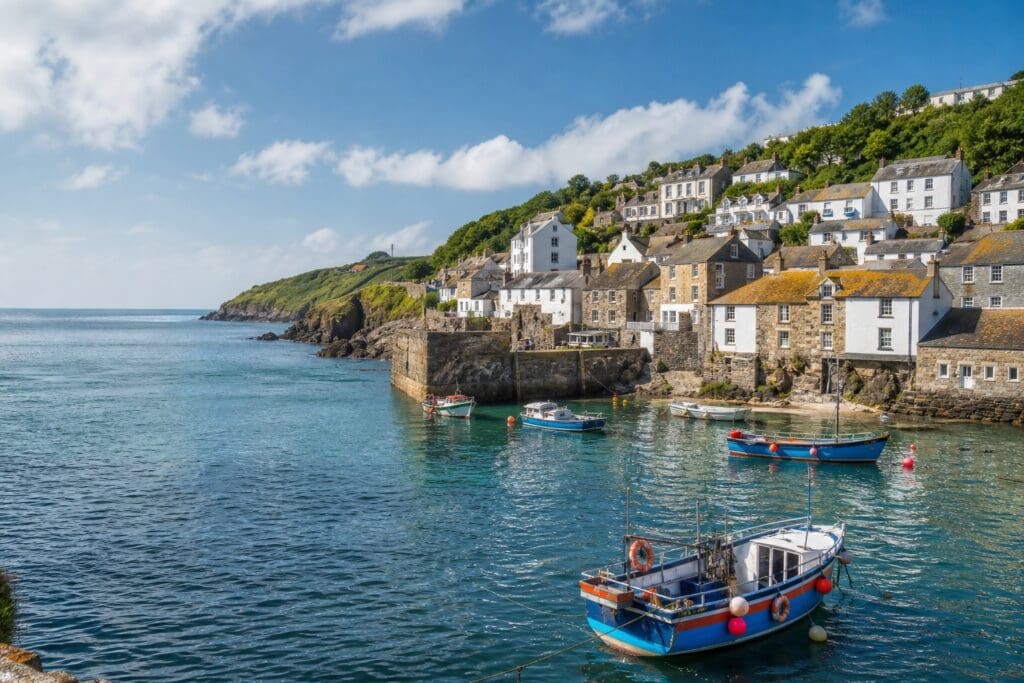
Cornwall’s coast feels made for slow exploration: fishing harbours, sandy coves, slate-roofed cottages and sea air that changes with every tide. Discovering the charming coastal towns of Cornwall is not simply about ticking off pretty places; it is about noticing working quays, artists’ studios, cliff paths and cafés where wet coats steam by the door. This guide looks at memorable towns, practical travel ideas and the small details that help visitors enjoy Cornwall with confidence.
Why Cornwall’s Coastal Towns Feel So Distinctive
Cornish seaside towns share a maritime character, yet each has its own rhythm. Some grew around pilchard fishing, boat building and sheltered harbours; others became loved for beaches, galleries or grand views across the Atlantic. The landscape is part of the appeal. Granite headlands, narrow lanes and whitewashed cottages create a strong sense of place without needing any embellishment.
The pleasure is often found between headline sights. A lane may open suddenly to a slipway. A pub window may frame returning boats. On breezy days, gulls wheel above masts while walkers compare muddy boots. These scenes make the county feel personal, even in well-known resorts.
Discovering the charming coastal towns of Cornwall: Places with Character
St Ives: Art, Light and Harbour Life
St Ives is famous for its clear light, compact harbour and creative energy. The town’s beaches sit close together, so a morning can move from paddling to gallery browsing without much effort. Around the harbour, shops and cafés occupy tight streets that still feel shaped by the sea.
Fowey: River Views and Literary Echoes
Fowey stands on a deep estuary, giving it a softer, river-facing mood. Yachts, ferries and waterside houses create a scene that rewards unhurried walking. Its literary associations add interest, but the town also works beautifully for simple pleasures: watching the water, eating seafood, and climbing lanes for views.
Mousehole: Small Streets and Big Atmosphere
Mousehole, pronounced “Mowzel” locally, is small enough to explore on foot yet rich in detail. The harbour is sheltered by sturdy walls, and cottages cluster closely around it. It is a place for patience, as the best moments are often quiet: a cat on a windowsill, a boat rope creaking, or the smell of baking.
Planning a Relaxed Cornwall Coast Itinerary
A good route depends on season, pace and transport. Driving offers flexibility, but parking in older towns can be tight, especially during school holidays. Trains and buses serve many parts of Cornwall, though remote villages may need careful timing. Staying in one base for several nights can be calmer than changing rooms every day.
Useful planning points include:
- Check tide times before beach walks, as coves and causeways can change quickly.
- Wear layers, because sunshine, drizzle and wind may arrive in one afternoon.
- Book popular restaurants ahead in peak periods, particularly in small harbour towns.
- Allow extra time on narrow lanes, where passing places require patience and courtesy.
Food, Beaches and Everyday Cornish Details
Food is a natural part of coastal travel here. Fresh fish, crab sandwiches, pasties and cream teas appear across the county, though quality varies as it does anywhere. Look for places that feel rooted in their setting rather than rushed. A simple meal beside a harbour can become a lasting memory.
Beaches differ greatly. Porthmeor in St Ives draws surfers, while sheltered harbour beaches suit gentle paddling when conditions are right. Always respect local safety signs and lifeguard advice where present. Cornwall’s beauty is inviting, but Atlantic water, cliffs and tides deserve careful attention.
What to Notice Beyond the View
The details make Discovering the charming coastal towns of Cornwall feel richer than a standard seaside break. Notice harbour lights, chapel steps, fish boxes, local stone, hand-painted signs and gardens bright with sea-tough plants. These features show how communities adapt to wind, salt and seasonal crowds.
Responsible Visits to Working Seaside Communities
Cornwall’s coastal towns are not stage sets. People live, work, study and retire there throughout the year. Visitors can help by keeping noise down in residential lanes, taking litter away, using marked paths and respecting private property. Small courtesies matter in places where pavements are narrow and homes sit close to visitor routes.
Shopping locally can also deepen the experience. Independent bakeries, fishmongers, galleries and bookshops often reflect the town more clearly than generic souvenirs. This does not mean every purchase must be expensive; even choosing a local loaf or a postcard by a Cornish artist can connect a visitor with the place.
When to Visit Cornwall’s Coastal Towns
Summer brings warmth, long evenings and a lively atmosphere, but also higher prices and busier roads. Spring offers flowers, clearer paths and fresh light. Autumn can be especially rewarding, with softer crowds and dramatic seas. Winter is quieter, though some attractions and eateries reduce hours, so checking practical details matters.
Frequently Asked Questions
Which Cornish coastal town is best for first-time visitors?
St Ives is often a strong choice because it combines beaches, galleries, harbour views and food options in a compact area, making it easy to enjoy without complicated planning.
Are Cornwall’s coastal towns suitable without a car?
Yes, many are reachable by public transport, especially larger towns, but timetables vary. Plan connections carefully and avoid assuming late services run everywhere.
What should I pack for a coastal Cornwall trip?
Pack layers, waterproofs, comfortable shoes, sun protection and a reusable water bottle. Weather can shift quickly, even during bright summer days.
Is Cornwall expensive during the main holiday season?
Costs often rise in peak months, particularly for accommodation and eating out. Travelling outside school holidays usually gives more choice and quieter streets.
How can visitors respect local communities while exploring?
Use public bins or take rubbish home, keep to paths, drive slowly, and remember that harbour lanes are residential as well as scenic. Supporting independent shops and being patient with seasonal pressure helps maintain the character that makes these towns special for residents and visitors throughout the year, not just summer holidays and weekends.