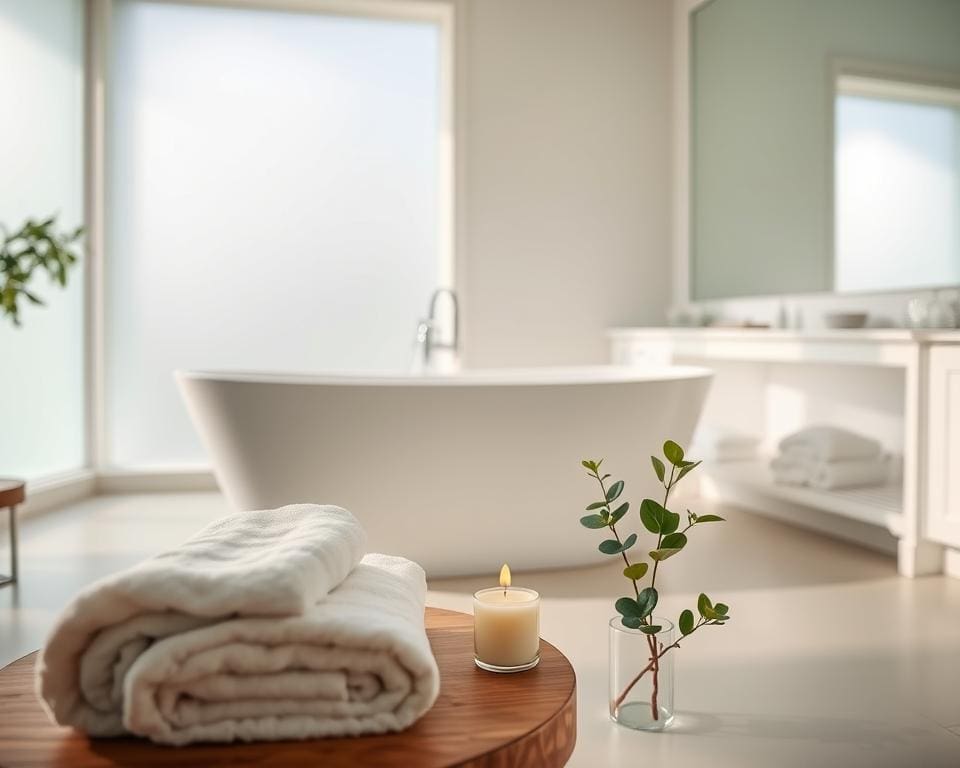
A freestanding bathtub can become the defining feature of your UK bathroom design. It offers a practical place to bathe while adding shape, character and a sense of calm. Unlike a built-in bath, enclosed by a wall or bath panel, a freestanding bath is visible from several angles.
This open design gives you more choice over placement, although plumbing, floor strength and access must guide your plans. With the right position, a statement bathtub can create a clear focal point without making the room feel crowded.
You do not need a large room to create a relaxing bathroom retreat. Careful measurements, balanced proportions and smart storage can deliver a spa-inspired feel in a compact space. Soft lighting, natural finishes and comfortable accessories can also make your bathing area feel more welcoming.
As you plan your luxury bathroom, consider the bath’s shape, material and position first. You can then improve comfort with lighting and accessories before reviewing installation and maintenance needs. For more ideas on creating a relaxing bathroom retreat, explore how small design choices can support a calmer daily routine.
Why choose a freestanding bathtub for your bathroom retreat?
A freestanding bath creates an instant bathroom focal point because its complete exterior remains on display. A curved or sculptural shape draws your eye towards the bathing area. It can make the room feel more planned and refined.
Unlike a built-in bath, a freestanding model often looks lighter and more like a piece of furniture. A fitted bath gives a stronger architectural feel, while a statement bath brings softness and character to the room.
One of the key benefits of a freestanding bathtub is the balance between style and comfort. A well-designed model may offer a deep bathing area, smooth inner contours and enough room to sit or recline with ease. A refined outer shape need not reduce everyday comfort.
Your surroundings shape the bathing experience, too. A clear view around the bath, coordinated taps, gentle lighting and easy access to towels can make a daily routine feel calmer. These details help a luxury freestanding bath feel welcoming rather than purely decorative.
Positioning depends on the size and layout of your bathroom. In a larger room, you could place the bath centrally to support a spacious bathroom design. Near a private window, it can benefit from natural light. In a smaller room, placing it against a wall may protect valuable floor space.
Freestanding baths come in varied lengths, widths and depths. A compact slipper or oval model can work well as a compact bathroom bath in a typical UK home. You should not assume that every model needs a large room.
- Check door swings and circulation routes before choosing the bath.
- Allow safe space around the bath for movement and cleaning.
- Review the position of the shower, radiator and bathroom furniture.
- Consider water capacity, installation access and cleaning needs.
A bath may define the style of the room, yet practical planning matters just as much. The right size and position will let you enjoy its appearance without making the bathroom harder to use.
Freestanding bathtub styles, shapes and materials
Your choice of shape, material and finish will influence both comfort and the mood of the room. Consider the available space, your bathing habits and the fittings already in place before choosing a design.
Choosing a bath shape to complement your bathroom
The main freestanding bathtub shapes each create a distinct look. A slipper bath has one or two raised ends, giving you support during a long soak. A single-ended model can sit neatly near a wall, while a double-ended design offers a balanced view from either side.
An oval freestanding bath brings soft, flowing lines to the room. Its gentle bath silhouette pairs well with a curved basin, a round mirror and warm lighting. This shape can make a compact space feel calm without creating a harsh visual barrier.
A rectangular freestanding bath has a more defined profile. It suits a contemporary bathroom or minimalist bathroom with straight walls, clean cabinetry and geometric tiles. A bateau bath has raised ends and a broad, boat-like form, which can create a traditional bathroom or boutique bathroom feel.
Look beyond the outer shape. Sloping sides, raised ends, a central waste and moulded backrests can change your bathing position. Compare the external dimensions with the usable internal space, since a larger footprint does not always provide more room inside.
In a smaller room, a compact oval or slipper bath may protect your floor space and improve movement. A wide bateau bath or double-ended design can act as a strong centrepiece in a larger setting.
Selecting materials and finishes
An acrylic freestanding bathtub is light, versatile and available in many shapes. It can be a practical choice when access is difficult or the floor needs a lower load. Look for a smooth, easy-clean bath finish that resists marks and keeps daily care simple.
A stone resin bath has a solid feel and a refined, sculpted appearance. It can provide strong heat retention for a comfortable soak. A cast iron bath offers notable weight, strength and a classic presence, yet your floor and installation access must support it.
For a durable freestanding bath, check the construction, surface quality and care instructions. A heat-retaining bath can help the water stay warmer for longer, which suits unhurried bathing. The right finish should match your cleaning routine as well as your preferred style.
Matching the bath with your interior style
Use the bath silhouette to guide your wider bathroom coordination. Pair curved forms with rounded mirrors and gentle brassware. Match sharper profiles with slab-front furniture, linear lighting and structured wall finishes.
Consider freestanding bath taps and tiles as part of the same visual plan. Brushed metal taps can soften a modern scheme, while polished chrome suits a bright, classic setting. Tile colour, grout lines and flooring should frame the bath without competing with it.
Creating a comfortable and relaxing bathing experience
Comfort starts with the bath’s inner shape. An ergonomic bathtub should have a gently sloping back, supportive ends, enough legroom and a suitable bathing depth. These details help you settle into a natural position without straining your neck or knees.
A larger tub can give you more room to move, yet it needs more floor space and water. Choose a size that suits your body, bathroom layout, water-heating capacity and household needs. A double-ended design can make it easier to change position and may suit two people, if the room, water supply and waste system can support it.
Check the overflow, waste and tap positions before you buy. Their location affects where you sit, how the bath fills and how easily you can reach each fitting. A well-planned, comfortable freestanding bath should feel simple to use every day.
Keep the water at a comfortable temperature rather than making it excessively hot. Take extra care with children, older people and anyone with a health condition that affects temperature sensitivity. Thermostatic controls can help maintain a steady temperature during a long soak.
Small details can make a large difference. Bath pillows should support your head without slipping, while a stable bath rack can hold toiletries or a book. Place a water-resistant, non-slip mat outside the bath, not inside it, and choose accessories that are easy to clean.
Thick towels, a washable bath mat and a soft robe add warmth to the room. These simple relaxing bath ideas improve the change from bath to bedroom. For more inspiration, explore this guide to a luxurious bathroom.
Use dimmable bathroom lighting to create a calmer mood. Warm light can make the space feel softer, while brighter general light remains useful for cleaning and daily tasks. Keep controls away from water, and ensure all electrical work meets UK safety requirements.
Muted greens, warm neutrals, timber-effect finishes and stone-look tiles can reduce visual noise. Woven storage, wall-mounted cabinets, easy-access towel rails and recessed shelves keep toiletries organised. A tidy layout supports the calm mood expected from a spa-style bathroom.
Leave clear access around the bath and choose slip-resistant flooring with suitable underlay. Soft surfaces may improve comfort, yet safety must guide every choice. Good planning allows your bathing space to feel restful, practical and easy to maintain.
Planning, installing and maintaining your freestanding bath
Plan your freestanding bathtub installation before you buy. Measure the room, doorways, staircases and other access routes. Check the ceiling height and the bath’s external and internal dimensions. Confirm its water capacity, tap-hole arrangement, feet, waste and overflow. You should also check the bathroom floor strength. A filled cast iron or stone resin bath can be very heavy, so ask a suitably qualified professional to assess the floor if you have any concerns. A step-by-step bathroom renovation guide can also help you plan the wider work.
Good bath plumbing keeps the finished room neat and reliable. Before fitting begins, plan the hot and cold supplies, waste position, trap and any floor-level pipework. The bath waste and overflow can affect the bath’s direction, final position and visible connections. Choose freestanding bath taps to suit the space. Floor-standing taps need accurate floor plumbing and clearance. Wall-mounted taps look clean but require precise pipes in the wall. Deck-mounted taps need a suitable ledge or rim. In every case, controls should be easy to reach and simple to clean. A qualified plumber should follow the manufacturer’s instructions to reduce the risk of leaks, poor drainage and loose fittings.
Use the correct method for the bath and its finish. Clean acrylic with a soft cloth and a recommended non-abrasive product. Stone resin needs gentle cleaning and should be dried where the manufacturer advises. For cast iron, follow the enamel care instructions and avoid impacts that may chip the coating. Regular rinsing and drying support limescale prevention, especially in hard-water areas. Wipe around the taps, overflow and waste after use. Use only a suitable descaler, and never leave it on the surface beyond the stated time.
Remove bath oils, hair products and coloured products promptly. Avoid sharp items on the rim, and use a stable bath rack rather than placing heavy objects on delicate surfaces. As part of your bath cleaning and maintenance routine, check for dripping taps, slow drainage, loose fittings, damaged seals and moisture near the waste. Early repairs can prevent stains and floor damage. Correct installation and regular care will protect your bath’s performance and appearance for many years.