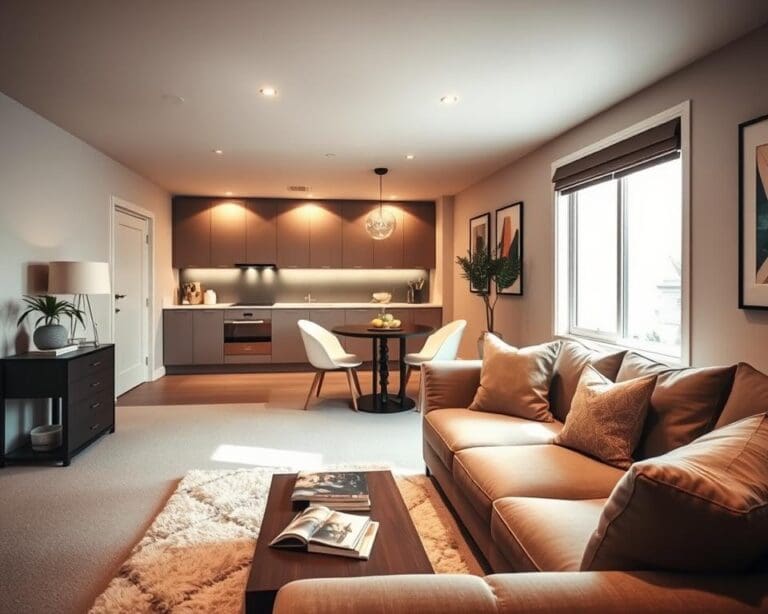
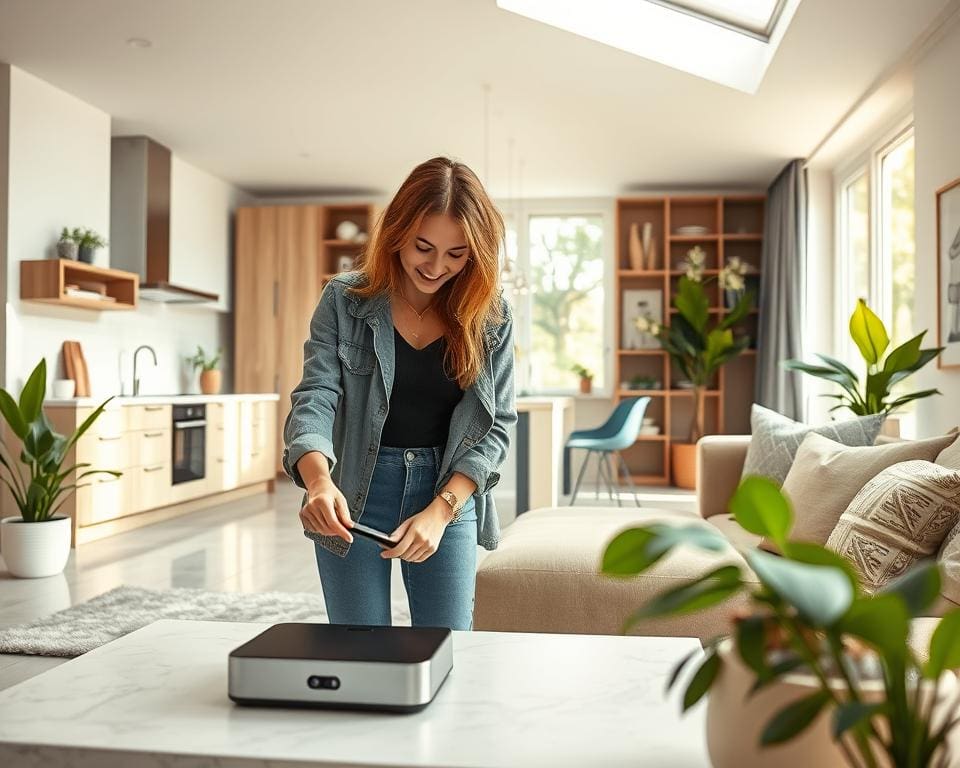
If you want practical home improvements that genuinely improve daily life at home, this guide is for you. It explains how small adaptations and larger projects can boost home functionality, save time and add lasting value to your property.
Home improvement covers everything from simple DIY fixes to full renovations. You should balance cost, impact on everyday living improvements and long-term durability when choosing works for terraced houses, semi‑detached homes or flats across the UK.
Climate and building type matter: damp, frequent rain and limited daylight influence material choice and finish. Bear in mind UK planning and building regulations, and check British Standards before you commit to any structural or electrical changes.
This article begins with practical kitchen upgrades — often the highest-impact home upgrades UK owners can make — then moves to accessibility and comfort, outdoor low‑maintenance solutions and finally technology and organisation to declutter routines.
Cost and return on investment vary. Expect options for DIY, small contractor jobs and larger professional projects, with strong ROI often found in improved worktops, better storage and weatherproofing. For budgeting and contingency advice, see this short primer on making sensible choices without overspending.
Start by assessing pain points: time‑consuming chores, mobility challenges or clutter hotspots. Make a priority list, get multiple itemised quotes for major work, and keep warranties and receipts to support resale or conveyancing.
Practical kitchen upgrades to save time and effort
Small changes in layout and fittings can cut daily effort and speed up cooking, cleaning and storage. Focus on solutions that fit your routine and space so you get the biggest gains from kitchen upgrades without a full refit.
Plan around how you move in the room. Group work zones for food prep, washing and cooking. Pick finishes that are simple to wipe clean and durable under heavy use. Aim for time-saving kitchen ideas that repay their cost in reduced chores and clearer surfaces.
Easy-access storage and pull-out pantry solutions
Pull-out larder units and a pull-out pantry in 150–300mm increments make tins and packets visible at a glance. Fit soft-close runners from Blum or Häfele for smooth movement and reduced bending. Use carousel corner units, like Le Mans fittings, to reclaim awkward corners.
Deep drawers for pots and pans cut the need to stoop and stack. Add under-shelf pull-out trays and door-mounted racks to use vertical space. Label clear containers and include built-in spice organisers for fast meal prep and simple stock checks.
When planning, check run widths and load capacities. Allow space for plumbing and wiring behind cupboards and get professional fitting advice to avoid clashes with pipes or cables.
Smart appliances that streamline daily tasks
Choose time-saving kitchen ideas such as combination microwave-ovens and induction hobs with rapid heat-up. Built-in dishwashers with eco cycles and washer-dryers save cycles and hours. Multifunction coffee machines reduce trips to cafés.
Look for smart kitchen appliances UK retailers stock from Samsung, Bosch and Beko. Programmable ovens and app-controlled boilers add convenience. Smart fridges that monitor groceries can cut waste and shopping time.
Compare energy labels and inverter technology for real running-cost savings. Decide between connected models and high-efficiency standard appliances by weighing reliability, repairability and how they fit your existing kitchen design.
Durable worktops and splashbacks for low maintenance
Choose durable worktops like quartz for stain resistance or Corian for seamless joins. Laminate is budget friendly while stainless steel and toughened glass splashback materials are quick to wipe clean.
Weigh the pros and cons: quartz stands up to scratches but is heavy and costlier; laminate resists everyday wear but less heat. Use sealed grout and upstands to stop moisture ingress around sinks and hobs.
Follow simple care routines: mild detergent and soft cloths, avoid abrasive cleaners and hot pans directly on the surface. Get measurements and fitting from reputable UK suppliers to ensure neat joins and long-lasting results.
home improvement for accessibility and comfort
Making your home safer and more comfortable starts with simple choices that help everyone. You can plan changes to reduce daily strain and boost independence. This section covers core ideas you can act on, from broad principles to specific tweaks for mobility and vision.
Universal design principles for safer living
Design for equitable use so features work for a wide range of people. Aim for flexibility in use and simple, intuitive layouts that reduce confusion. Perceptible information, tolerance for error and low physical effort make rooms easier to live in.
Practical examples include level-entry thresholds, wider doorways where possible (a minimum of 800mm for wheelchair access), lever-style door handles and thermostatic mixer valves in showers to cut the risk of scalding. A built-in shower seat helps users who need to rest while bathing.
When you plan larger works, refer to Building Regulations Part M and Lifetime Homes guidance. These standards inform durable choices for universal design UK projects and help you meet legal and practical expectations.
Small adaptations that make a big difference
- Fit grab rails in bathrooms and by steps.
- Choose raised toilet seats and non-slip shower trays.
- Install stair handrails on both sides and add stair-edge visibility strips.
- Use mid-level shelving and pull-down wardrobe rails for easy access.
Look for UK suppliers and contractors who specialise in mobility adaptations and disability aids. You may qualify for a Disabled Facilities Grant to fund essential home safety modifications.
Quick upgrades can be highly effective. Smart thermostats simplify temperature control, voice-activated assistants allow hands-free operation and lever taps replace twist taps for easier use.
Choosing flooring and lighting for mobility and vision
Pick accessible flooring that supports mobility and reduces trip risk. Good options include slip-resistant, low-pile or firm vinyl and engineered wood with a stable underlay. Avoid deep-pile carpets that hinder wheeled movement. Use gentle gradient thresholds to smooth transitions between rooms.
Layer lighting to cut shadows and glare: ambient, task and accent fittings give balanced illumination. LEDs offer reliable colour temperature between 2700–4000K and long life. Motion-sensor night lights in corridors and bathrooms improve safety after dark.
Contrast and colour choices aid wayfinding for people with reduced vision. Use contrasting skirting and clear stair nosings to mark edges. These adjustments work with lighting for vision impairment to make navigation easier and reduce accidents.
Outdoor and garden improvements that simplify maintenance
Transforming your outside space can cut the time you spend on upkeep while keeping it inviting all year. Simple choices in planting, surfacing and shelter make a big difference for a low-maintenance garden without losing character or seasonal interest.
Low-maintenance planting and artificial turf options
Pick native, drought-tolerant species such as lavender, hebes and ornamental grasses like Stipa and Miscanthus. Evergreens add structure so you prune less and a thick layer of mulch plus a permeable weed membrane helps suppress regrowth.
Consider artificial turf UK products from brands such as TigerTurf and Easigrass for realistic lawns that need no mowing. Proper installation over a compacted sub-base with effective drainage prevents puddles and extends lifespan.
Keep biodiversity in mind by adding small planting pockets and containers for herbs and pollinator-friendly perennials. This balances low effort with ecological benefit.
Smart irrigation and rainwater harvesting systems
Smart irrigation systems cut water use and automate schedules with weather and soil moisture sensors. Brands like Hunter and Gardena offer controllers and drip kits that fit typical UK gardens and reduce manual watering.
Simple rainwater harvesting begins with a water butt and downpipe diverter for hose use. For larger projects, underground tanks feed irrigation systems once you add basic filtration and a pump sized for the head and flow you need.
Place water butts close to downpipes, use frost-resistant fittings and check pumps meet your pressure requirements. These steps lower mains water costs and support sustainable gardening.
Functional outdoor storage and covered entertaining areas
Choose durable garden storage solutions such as timber sheds or modular composite boxes for tools, bins and bikes. Companies like Waltons and Rowlinson supply options with good ventilation and weatherproofing to protect your kit.
For sheltered social space explore pergolas with retractable canopies, conservatory upgrades using insulated glazing or polycarbonate roofs, and insulated garden rooms for year-round use. Think rot-resistant materials such as pressure-treated timber or composite decking and ensure adequate drainage.
Plan for lighting and power to make spaces usable after dark. For larger structures check planning rules in the UK so your improvements stay compliant and practical.
Technology and organisation to declutter everyday life
Start by pairing sensible storage solutions with selective smart home technology UK choices to cut clutter and save time. Fit a hallway drop zone with a built-in bench and cubbies, add labelled baskets for children’s toys and use modular shelving or under-bed boxes in bedrooms. Scan important paperwork and keep a simple digital archive to reduce paper load; clear labelling and consistent containers make daily tidying quicker.
Choose smart speakers and voice assistants such as Amazon Echo or Google Nest to run basic home automation routines that switch lights, set heating schedules and lock doors. Smart lighting from Philips Hue or LIFX and thermostats from Nest or Hive ease daily tasks, while smart plugs let you control appliances remotely. These small automations can cut energy use and help families or people with mobility needs manage the home more easily.
Prioritise smart security by using reputable smart locks and cameras and pay attention to interoperability and data privacy. Change default passwords, update firmware and, where possible, put devices on a segmented guest network. For integrated alarm systems or mains-powered installs, seek professional installation to meet regulations; plug-and-play lights and plugs are suitable for DIY projects.
Begin small: tackle one problem area, test inexpensive Ikea or John Lewis storage options, then scale up to bespoke built-ins if needed. Keep regular declutter cycles each season and make a short action plan listing priorities, budgets and timelines. Consult qualified tradespeople for larger works and check warranties, British Standards and planning requirements before committing to major changes.