Good bedroom lighting should offer comfort, practicality and style. A single ceiling light rarely does all three. Your room needs suitable light for getting dressed, reading, finding clothes and moving safely at night.
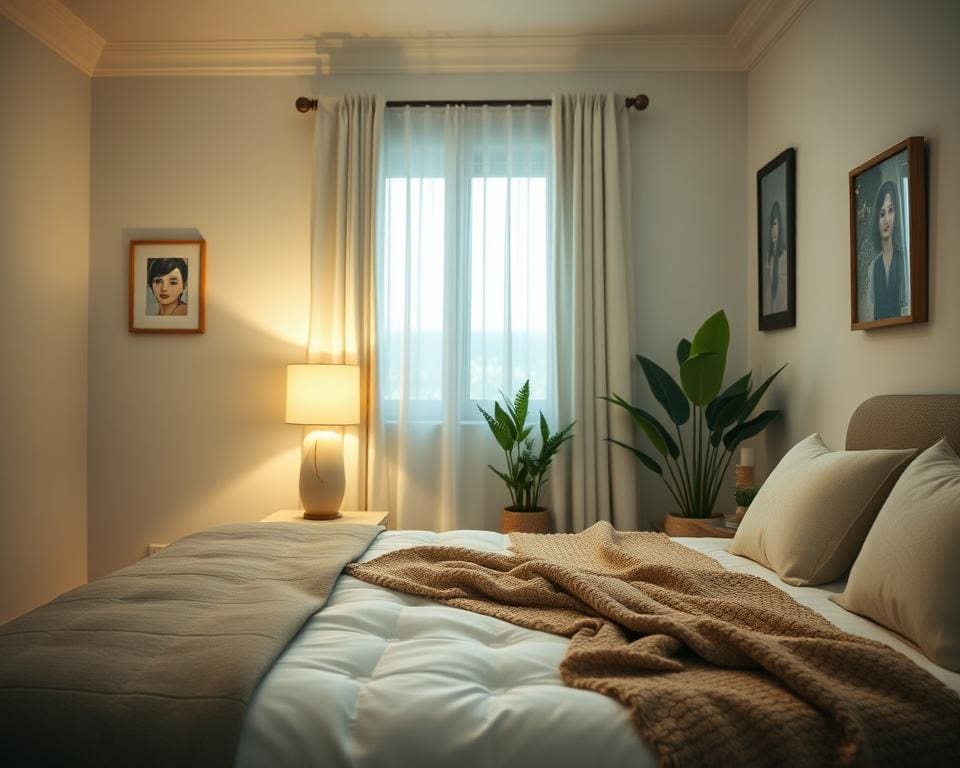
The best lighting for a bedroom combines ambient, task and accent light. This layered lighting approach prevents harsh shadows and creates a more balanced feel. It also gives you greater control, whether you want bright light in the morning or relaxing bedroom lighting at night.
Before choosing fittings, consider your room’s size, layout, ceiling height, furniture and natural daylight. Your bedroom lighting design should also suit the interior style. Beam direction, brightness, colour temperature and switch position can all affect how comfortable the room feels.
This guide begins with the main lighting layers, then covers brightness and colour temperature. It also explains how to choose fittings and plan useful bedroom light ideas for reading and storage. For new wiring or fixed-light installation in a UK home, use a qualified electrician and follow current electrical safety requirements.
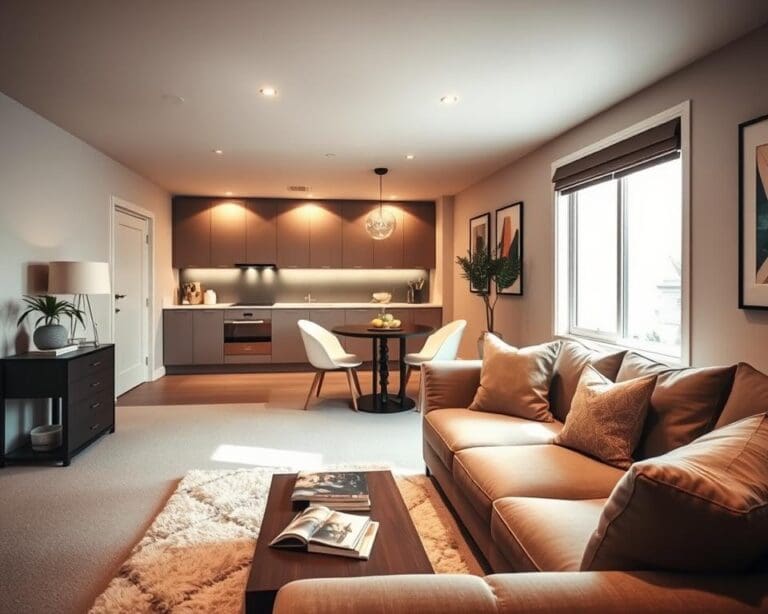
For wider inspiration, explore these lighting ideas for living spaces before creating a plan that suits your bedroom.
Start with the essential bedroom lighting layers
Good layered bedroom lighting uses three types of light: ambient, task and accent. Each layer has a clear role, so your bedroom can feel calm without becoming dim or harsh.
Ambient bedroom lighting provides general illumination across the room. Pendant fittings, flush ceiling fittings, recessed downlights and central ceiling lights can create this base layer. Choose fittings that spread light evenly rather than forming one bright pool.
Task lighting bedroom solutions provide focused light for reading, applying make-up, choosing clothes and organising belongings. Bedside lamps, wall-mounted reading lights, dressing-table fittings and wardrobe lights can brighten each area where you need clear vision.
Accent lighting bedroom ideas add atmosphere and draw attention to selected features. LED strips, picture lights and directional spotlights can highlight artwork, shelving, curtains, architectural details or the wall behind the bed.
Plan each light around the room’s zones instead of placing every fitting in the centre. Place bedside lighting near the bed and aim wardrobe lighting into the storage space. A central ceiling fitting may cast shadows when you stand at a mirror or open a wardrobe.
Wall lights and pendants beside the bed can free space on your bedside table. Set their height with care and check their projection to reduce glare and prevent accidental knocks. Every fitting should feel comfortable when you are lying down and looking towards the ceiling or opposite wall.
Use separate switches for each layer. Independent controls let you use soft accent light when relaxing or brighter task light when you need to see clearly. Philips Hue can create separate scenes and schedules, while standard switches offer a simple choice for most bedrooms.
Choose bedroom lighting based on colour temperature and brightness
Your bedroom lighting colour temperature affects how the room feels at different times of day. It is measured in kelvins (K), which show whether light looks warm or cool. Lower values create a softer glow, while higher values appear brighter, sharper and more energetic.
Select a warm colour temperature for a relaxing atmosphere
For most bedrooms, choose warm white bedroom lights between 2,700K and 3,000K. This range gives the room a calm, restful appearance that suits winding down before sleep.
Lower colour temperatures can feel intimate and cosy. Cooler light may suit a dressing area, detailed tasks or a morning routine. Used across the main bedroom, blue-white light can feel clinical. Keep the colour temperature consistent across fittings that you see together, unless you are creating separate lighting zones.
Check the colour rendering index (CRI) when choosing LED bedroom bulbs. A CRI of 80 or above is suitable for general use. A higher CRI can help near wardrobes and dressing tables, where accurate colour recognition matters.
Your lampshade and fitting finish affect the result. Fabric shades diffuse light and reduce glare. Clear glass and exposed bulbs create more direct brightness, with stronger hotspots. LED bedroom bulbs are widely available in warm-white options and use less electricity than older incandescent or halogen lamps.
Use adjustable brightness for different bedroom activities
The right bedroom light brightness depends on the task. Gentle light works well for relaxing, watching television or getting ready for sleep. Stronger light helps you dress, tidy the room or find items in a wardrobe.
Look at lumens for bedroom lighting rather than watts alone. Lumens measure the amount of light a bulb produces. A small bedside lamp may need fewer lumens than a central ceiling fitting. Layering several modest sources can give you better control than relying on one powerful bulb.
Install dimmer switches for greater control
Dimmable bedroom lights let you change the mood without replacing the bulb. Set a lower level at night, raise it for reading and choose a brighter setting during your morning routine.
Check that the bulb, dimmer switch and fitting are compatible before installation. A qualified electrician can assess the circuit and fit the switch safely. For rented homes, plug-in dimmers or lamps with built-in controls offer a flexible choice.
Match lighting fittings to your bedroom’s size and style
The scale of your bedroom light fittings should suit the room and its furniture. An oversized pendant can dominate a small bedroom, while a tiny fitting may look lost in a larger space. Check the bed, wardrobes and available headroom before you choose.
Low ceilings suit compact flush or semi-flush bedroom ceiling lights. These fittings provide useful general illumination without taking up much vertical space. In a room with a high ceiling, a pendant or statement chandelier can draw the eye upwards. Position it safely, with enough clearance for movement and without causing glare.
When floor or bedside table space is limited, bedroom wall lights offer a practical choice. Adjustable designs work well for reading, since you can direct the beam towards your book without lighting the whole room. Plug-in wall lights need less permanent work, while hard-wired fittings create a neater finish through suitable electrical installation.
Small bedroom lighting ideas should focus on space and reflection. Choose light-coloured shades, slim-profile fittings and surfaces that bounce light around the room. Aim some light towards the walls or ceiling to create a more open feel. For a larger bedroom, several smaller sources can feel calmer and more balanced than one powerful central light.
Let your fittings support the style of the room. Brushed brass, opal glass and fabric shades can complement traditional bedroom lighting or a transitional scheme. Black metal, chrome and clean geometric shapes suit modern bedroom lighting. The material changes the quality of the light, too. Opal and frosted glass diffuse it, fabric softens it, and clear glass gives a more direct beam.
Review the layout before fixing any light. Check the bed position, wardrobe doors, curtains, ceiling fan and walking routes. A pendant should not block storage access, catch on a door or reduce safe headroom. You can explore wider bedroom lighting concepts before settling on a fitting.
- Check the bulb type, light distribution and brightness range.
- Consider cleaning needs, replacement parts and control methods.
- Choose products with suitable UK electrical specifications and safety ratings.
- Review installation instructions before fitting the light.
Brands such as John Lewis, IKEA and Philips offer a range of bedroom light fittings for different budgets and styles. Judge each product by its everyday performance, not its appearance alone. The right fitting should work with your room, your routine and your preferred traditional bedroom lighting or modern bedroom lighting scheme.
Plan practical bedroom lighting for reading, storage and comfort
Practical bedroom lighting should brighten each area without glare or disturbance. Use adjustable wall lights, directional sconces or bedside lamps for reading. Aim the beam at the page, not your eyes, and choose shades that soften the light. Separate controls on each side of a double bed let you adjust your own bedside reading lights. A flexible fitting can also save space on a small bedside table. For more ideas, explore these small bedroom furniture solutions.
Good wardrobe lighting helps you see clothing colours and details clearly. Integrated LED strips, linear fittings or door-activated sensors can light shelves and hanging rails when needed. Avoid strong reflections from glossy doors or mirrored fronts. For dressing table lighting, place fittings on both sides of the mirror to reduce facial shadows. A light above the mirror can help, but it may cast shadows when used alone.
Low-level bedroom night lights can guide you without waking anyone or switching on a bright ceiling light. Try a dimmable wall fitting or concealed under-bed lighting. Motion sensors are useful, but adjust their range and sensitivity to prevent unwanted activation. Keep walkways around the bed at least 60 cm wide, with cables secured away from foot traffic. Stable bases, reachable switches and low-glare shades also support safe use.
Consider children, older adults and anyone with reduced vision. Even, warm light and clear controls can improve confidence at night. Keep hot bulbs away from bedding and curtains, and follow the fitting’s clearance instructions. The best plan combines comfortable bedroom lighting with independent reading, storage and low-level controls.