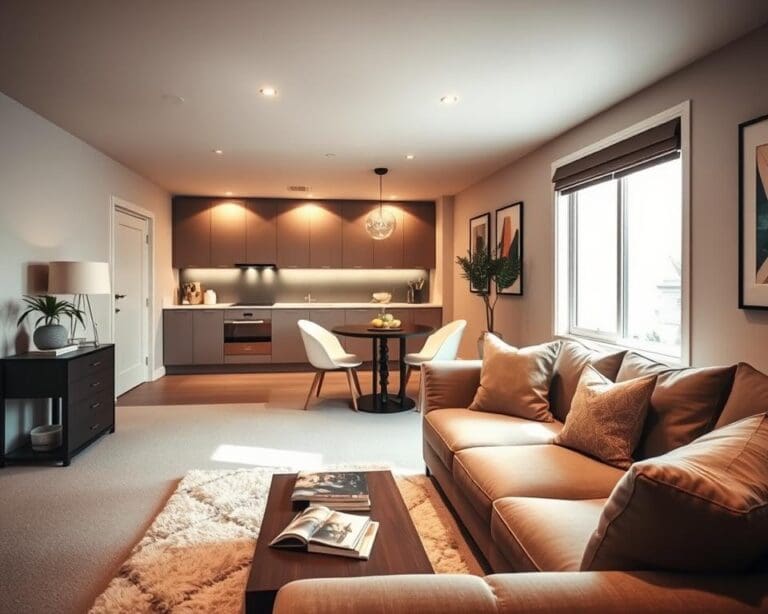

You want clear, practical ways to increase home value in the UK. Whether you plan to sell soon, remortgage or simply protect your investment, knowing how to increase home value helps you make smarter choices.
This guide takes an evidence-based approach. First, you will assess market and property fundamentals using data from the UK Land Registry and the Office for National Statistics. Next, you will learn to prioritise high-return improvements, invest in energy efficiency and sustainability, and prepare your home for sale to boost home value.
We will measure success with real metrics: comparable sales, percentage uplift after renovations, changes to your Energy Performance Certificate rating, and return on investment figures cited by RICS and leading estate agents such as Savills and Knight Frank.
Practical considerations come first. You should check planning permission and building regulations, weigh costs against expected uplift, and understand tax implications for second homes or buy-to-let. Typical timelines for common projects will help you plan and decide which works will most likely raise property value UK.
Throughout, you will find guidance drawn from RICS valuation principles and refurbishment studies that show which interventions most reliably boost house price in suburbs and cities. Use this section as the roadmap for targeted action to increase house price and maximise long-term value.
Understanding the factors that affect property value
When you assess your home, several property value factors will shape what buyers pay. These include where the house sits, how much usable space it offers, its condition and age, running costs and local planning rules. Each element can be researched and, in many cases, improved to boost appeal and price.
Location and local market trends
Your property’s neighbourhood drives demand. School catchments, crime rates, proximity to employment hubs and planned regeneration all affect the location impact on house price. Use Land Registry data and local authority planning documents to spot who is buying and why.
Regional differences matter in the market trends UK. London and the South East show different cycles to the North West and Midlands. Track estate agent reports from Rightmove and Zoopla to understand timing and buyer appetite.
Property size, layout and usable space
The number of bedrooms and gross internal area influence comparable valuations. House size and value relate closely to how much of the square footage is truly usable.
Converted lofts, rear extensions and higher ceiling heights often command a premium over less-useful areas. Calculate price per square metre and compare with local comps. RICS guidance helps you measure size and assess the value of layout changes.
Condition, maintenance and age of the property
Buyers will discount for roof issues, damp, subsidence risk and outdated systems. A well-maintained dwelling attracts stronger offers and faster sales.
Typical remediation costs can be found in guidance from the Chartered Institute of Building and NHBC. Prioritise structural repairs and key systems to protect value and reduce bargaining room for buyers.
Energy efficiency and running costs
Energy bills and EPC rating are rising priorities for buyers. A better EPC and property value link is growing clearer as running costs weigh on household budgets.
Improvements such as insulation, upgraded glazing and efficient boilers lower bills and improve marketability. Check the Government EPC register for comparisons and look into green mortgages that reward energy-efficient homes.
Planning, local amenities and transport links
Access to rail, tube and major roads adds measurable value. Local shops, parks and healthcare make a property easier to sell at a premium.
Permitted development rights, conservation areas and planning permission can limit or enable extensions and conversions. Consult your local planning portal, speak to planning officers and get professional advice when schemes are complex.
For practical guidance on making renovation choices that balance cost and long-term benefit, read this cost-effective renovation guide to help you plan work that protects value and reduces surprises.
Practical home improvements to increase home value
Targeted works give the best return on your time and budget. Pick projects that match buyer priorities in your area and focus on practical gains for day-to-day life as well as resale. Use trusted guidance when planning so your choices deliver measurable home improvements to increase value for both living and selling.
Kitchen upgrades that deliver the best return
A well-planned kitchen swap often yields strong kitchen upgrade ROI. Prioritise layout optimisation, durable worktops such as quartz or granite, and energy-efficient integrated appliances rated A+ or better. If a full replacement sits outside your budget, a minor refresh with new handles, splashback and a fresh coat of paint can still lift appeal.
Match finishes to the local market. In affluent neighbourhoods choose higher-end fittings, in mid-market areas specify sensible, well-made units. For benchmarks and case studies see trusted market guides like the one at how to increase property value through.
Bathroom modernisation and small luxury touches
Small, targeted bathroom upgrades add perceived value. Fit modern sanitaryware, improve tiling and add good ventilation to prevent damp. Heated towel rails and upgraded lighting create a premium feel without huge expense.
Luxury touches such as walk-in showers, contemporary vanity units or underfloor heating can outperform their cost in higher-end markets. Ensure plumbing and electrical work meets building regulations and follow Chartered Institute of Plumbing and Heating Engineering guidance where relevant.
Adding living space: loft conversions and rear extensions
Extra space often converts directly into higher asking prices. A standard loft conversion that creates an extra bedroom and bathroom can deliver notable loft conversion value in towns where space is scarce. Single-storey rear extensions open up kitchen and dining areas for modern family living.
Factor in structural work, party wall agreements and building regulations. Check permitted development rules before you start and hire an architect or structural engineer when needed to protect both cost and outcome.
Integrating open-plan layouts and flexible spaces
Removing non-structural walls to create an open-plan extension UK style living area makes spaces feel larger and more sociable. For load-bearing walls you will need beams or supports to keep structure safe and light flowing.
Create flexible zones for home working with built-in desks or study nooks. These additions meet post-pandemic buyer expectations and boost desirability among remote workers.
Improving kerb appeal and outdoor living areas
First impressions matter. Simple kerb appeal tips include repainting the front door, cleaning windows, fixing paths and renewing house numbers. Good lighting and a tidy entrance speed up viewings and create a positive emotional response.
Small garden investments often punch above their cost. Add a patio or composite decking, maintain an attractive lawn and plant low-maintenance shrubs to craft usable outdoor rooms. These changes broaden appeal and support effective pricing at sale time.
Energy efficiency, sustainability and smart investments
Making targeted upgrades cuts your running costs and improves market appeal. Focus on practical measures that show clear savings, documented by certified installers and reflected on an updated Energy Performance Certificate.
Insulation, glazing and draught-proofing
Good fabric improvements deliver quick wins. Loft insulation and cavity wall insulation are cost-effective ways to reduce heat loss and raise comfort. Consider solid wall insulation where appropriate; this requires higher upfront spend but boosts long-term savings and resale prospects.
Replacing single glazing with double or triple glazing reduces noise and limits heat loss. Simple draught-proofing around doors and windows gives immediate comfort gains at low cost.
When you describe insulation benefits to buyers, include estimated energy savings and any installer certifications. That information helps justify asking prices and supports marketing claims about lower bills.
Heating upgrades: boilers, heat pumps and smart controls
Upgrading from an old boiler to an efficient condensing model lowers fuel use and often repays the investment through reduced bills. For a longer-term strategy, look at air-source or ground-source systems.
If you are in the process of a heat pump installation UK, ensure installers hold Microgeneration Certification Scheme accreditation. Buyers value documented credentials and clear running-cost comparisons.
Fit smart thermostats, zone controls and smart radiators to reduce waste and give buyers simple control over energy use. Those controls can be a strong selling point in property listings.
Renewable technologies: solar panels and battery storage
Solar photovoltaic panels lower electricity bills and can increase appeal when paired with battery storage to boost self-consumption. Make sure installations come from accredited MCS installers and carry robust warranties.
Visible renewables on a roof can enhance kerb appeal, but you must check roof condition, insurance implications and planning rules in conservation areas. Present clear documentation and performance figures to potential buyers.
Explain solar panels value in terms of lower running costs and potential for green mortgage eligibility, so buyers see the tangible benefits.
Energy Performance Certificate (EPC) improvements and benefits
Understanding how EPC ratings are calculated helps you plan effective measures. Aim to raise ratings where possible, since higher EPC scores improve marketability and may meet rental regulations.
Carry out improvements with certified installers, then have an accredited assessor update the EPC. Keep paperwork, warranties and performance data ready for viewings to reassure buyers about energy efficiency home improvements.
Better EPCs can unlock a wider buyer pool, access to green mortgages and stronger marketing claims about lower running costs and sustainability.
Preparing your home for sale to maximise price
When preparing house for sale, start with decluttering and a deep clean. Remove personal items, tidy wardrobes and clear surfaces so buyers can picture their own lives. Repaint in neutral tones and fix visible defects such as loose skirting, cracked sockets or dripping taps to give a move-in-ready feel.
Invest in professional photography and accurate floorplans to ensure your listing stands out on Rightmove and Zoopla. In the property description, highlight improvements, EPC rating and council tax band. Use targeted terms like how to increase sale price and energy efficient home to attract motivated buyers. Accurate facts about a new boiler, loft conversion or solar PV help justify a stronger asking price.
Consider home staging for sale UK, whether by hiring a stager or using simple presentation tips yourself. Improve lighting, add fresh flowers, and arrange furniture to show flow and usable space. Small touches to outdoor areas, tidy paths and staged seating, boost kerb appeal and encourage higher offers.
Set your price using comparable sold data and think about timing and estate agent advice when choosing a selling route. Prepare documentation — warranties, planning approvals, EPC and building regulation certificates — so you can respond quickly during negotiation. Train yourself or your agent to emphasise unique selling points and provide cost or performance figures to support offers, then instruct a solicitor or licensed conveyancer to complete the sale smoothly.