Dubrovnik is compact, beautiful and full of atmosphere, with marble lanes, sea views and centuries of history packed inside its famous walls. If you are wondering, “What are the best things to do in Dubrovnik?”, the answer depends on your pace. Some visitors come for culture, others for beaches, boat trips, food or film locations. The best experience usually blends them all, leaving time to slow down and enjoy the Adriatic light.
What are the best things to do in Dubrovnik for first-time visitors?
For a first visit, the Old Town is the natural starting point. It is easy to explore on foot, though the stone streets can be steep, polished and busy in high season. Early mornings and later afternoons often feel calmer, especially around the main squares and gates.
Walk the city walls
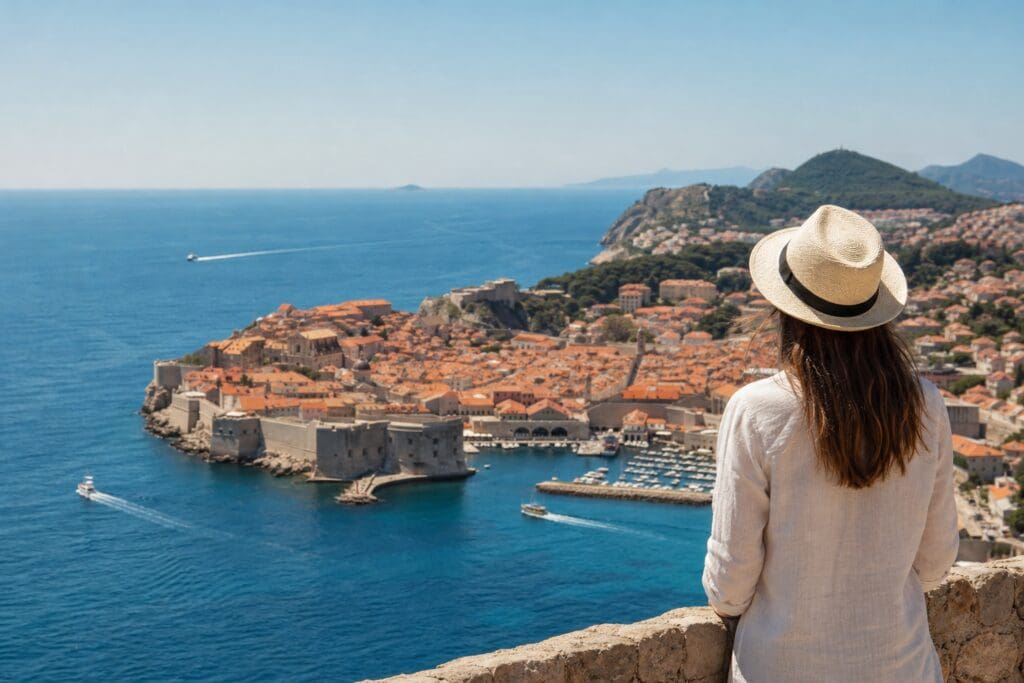
Dubrovnik’s city walls are the classic introduction to the city. The route gives wide views over terracotta rooftops, church towers, the harbour and the deep blue Adriatic. It also helps you understand how the old Republic of Ragusa, as Dubrovnik was once known, protected itself and prospered.
The walk involves steps and exposed sections, so comfortable shoes, water and sun protection are sensible. Take your time rather than treating it as a race. The best moments often come when you pause above the sea-facing side and watch boats moving around Lokrum Island.
Explore Stradun and the Old Town lanes
Stradun, the main limestone street, runs through the heart of the Old Town. It links the western and eastern gates and is lined with cafés, shops and historic buildings. From here, narrow side streets climb towards quieter corners, small churches and tucked-away restaurants.
Do not miss the simple pleasure of wandering without a strict route. Dubrovnik rewards slow curiosity: a carved doorway, a shaded staircase or a glimpse of washing hanging above an alley can be as memorable as a landmark.
History, views and culture beyond the main street
Dubrovnik is more than a pretty backdrop. Its museums, monasteries and viewpoints add depth, especially if you want to understand the city beyond postcards.
Visit historic palaces, churches and monasteries
The Rector’s Palace is one of the key cultural sights, combining Gothic, Renaissance and Baroque details. Nearby, the Franciscan Monastery is known for its peaceful cloister and historic pharmacy. The Dominican Monastery, close to the Ploče Gate, is another calm place with art and architecture worth lingering over.
The city’s churches also shape the Old Town’s character. You do not need to visit every interior, but stepping into one or two gives a welcome break from the heat and crowds.
Take in the view from Mount Srđ
Mount Srđ rises behind Dubrovnik and gives one of the finest views of the Old Town, the walls and the islands. Many visitors use the cable car, while more active travellers may choose the walking route. At the top, the viewpoint shows why Dubrovnik’s setting is so special: the city sits between rugged hills and open sea.
Sunset can be beautiful, though it is also popular. If you prefer a quieter experience, consider going earlier in the day, when the light is bright and clear.
Beaches, islands and boat trips
Dubrovnik is not only a city-break destination. Its coastline adds a relaxed holiday feel, with swimming spots close to the walls and islands just offshore.
Banje Beach is the best-known city beach, with a view back towards the Old Town. It can get busy, but the setting is hard to beat. For a different feel, look around the rocky swimming areas and quieter coves outside the centre.
Lokrum Island is one of the easiest escapes from the Old Town. Boats run from the old harbour in season, and the island offers pine shade, rocky bathing spots, walking paths and views back to Dubrovnik. It is a good choice when the streets feel crowded but you do not want a long journey.
Popular coastal experiences include:
- Swimming from rocky platforms or small beaches near the city walls.
- Taking a boat to Lokrum for walking, picnicking and sea views.
- Joining a sea kayaking trip around the walls and nearby coastline.
- Visiting nearby islands by boat if you have more than a short break.
The Adriatic is generally clear and inviting, but beach shoes can be useful because many swimming spots are pebbly or rocky.
Food, drink and local neighbourhoods
Food in Dubrovnik often reflects the coast: grilled fish, seafood, olive oil, local vegetables and simple pasta dishes. In the Old Town, restaurant terraces can be atmospheric, but prices and quality vary, so it is worth checking menus before sitting down.
For a more everyday feel, explore areas outside the walls. Gruž, where the port and market are located, shows another side of the city. Lapad is popular for seaside walks, hotels, beaches and a more relaxed evening atmosphere. These neighbourhoods are useful if you want a break from the busiest lanes of the Old Town.
Coffee culture is also part of the rhythm here. Sitting with a coffee in a shaded square, watching the day unfold, can be just as enjoyable as ticking off another sight.
Practical tips for making the most of Dubrovnik
Dubrovnik is rewarding, but planning helps. The Old Town can feel crowded, especially when cruise ships and summer visitors overlap. Heat can also make sightseeing tiring, so shape your day around the weather.
A balanced Dubrovnik day might include:
- Early morning: walk the walls or explore the Old Town before it gets hotter.
- Midday: visit a museum, monastery or shaded café.
- Afternoon: swim, rest or take a boat to Lokrum.
- Evening: enjoy a harbour walk, dinner or views from higher ground.
Comfortable footwear matters because many streets are stepped or uneven. If you are staying outside the Old Town, check how you will reach your accommodation, as taxis and buses cannot enter the pedestrianised historic centre.
Fans of screen tourism may recognise locations used in Game of Thrones, but Dubrovnik stands strongly on its own. The real city’s history, architecture and maritime setting are far more interesting than any single filming connection.
Frequently Asked Questions
How many days do you need in Dubrovnik?
Two full days are enough for the Old Town, city walls, a museum, a swim and a relaxed meal. Three or four days allow time for Lokrum, Mount Srđ and nearby coastal trips without rushing.
Is Dubrovnik suitable for families?
Yes, Dubrovnik can work well for families, especially with boat rides, swimming and short walks. The main challenge is the number of steps, so planning breaks and avoiding the hottest hours is helpful.
When is the best time to visit Dubrovnik?
Spring and early autumn are often the most comfortable times, with milder weather and fewer crowds than high summer. July and August are lively and warm, but sightseeing can feel more tiring.
Can you visit Dubrovnik without a car?
Yes, many visitors do not need a car in Dubrovnik. The Old Town is pedestrianised, local buses are useful, and boats serve popular nearby spots in season.
Is Dubrovnik expensive compared with other Croatian destinations?
Dubrovnik is often pricier than many other places in Croatia, especially inside the Old Town. Costs vary by season, location and restaurant choice, so checking menus and accommodation details carefully helps.