Where does the famous Pimm's Cup tradition come from? In short, it began in nineteenth-century London, grew out of a fashion for mixed “cups”, and became a symbol of British summer through restaurants, sporting events and garden parties. Today, a jug of Pimm’s with lemonade, fruit, cucumber and mint feels almost inseparable from warm afternoons, tennis on the lawn and long tables outdoors.
Where does the famous Pimm's Cup tradition come from? The short answer
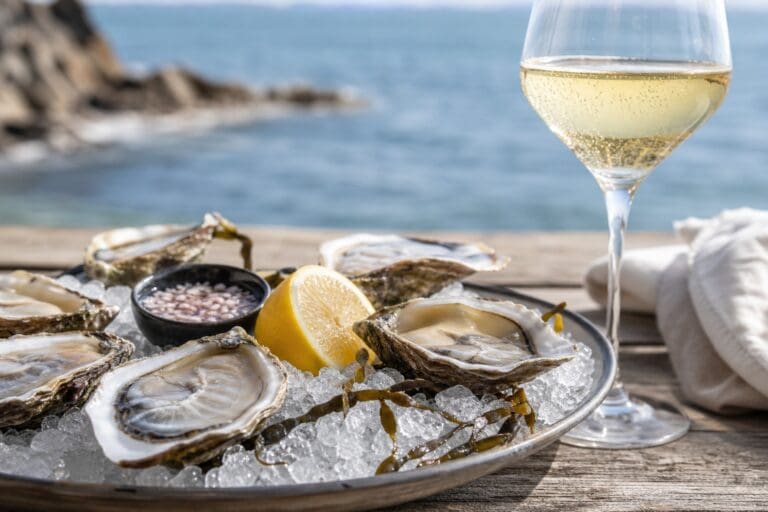
The Pimm’s Cup tradition comes from the world of Victorian refreshment. Its roots are usually traced to James Pimm, who ran an oyster bar in the City of London in the 1820s. He served a gin-based drink, flavoured with herbs and spices, as a pleasant accompaniment to food and as a light digestive.
This drink became known as Pimm’s No. 1 Cup. The “No. 1” referred to the gin base, while “cup” described a popular category of mixed drinks served in Britain at the time. These cups were often designed for sociable drinking: cool, diluted, gently spiced and served in quantity.
Over time, Pimm’s moved beyond the dining room. It became bottled, sold more widely and adopted by hotels, clubs, racecourses, regattas and summer parties. Its link with Wimbledon and other British summer events helped turn it from a drink into a seasonal tradition.
James Pimm and the London oyster bar origin
James Pimm was a London restaurateur, not a modern drinks influencer or celebrity barman. His name became famous because he created a house serve that suited the dining habits of his customers. In the early nineteenth century, oysters were not only a luxury food. They were also widely eaten in London, and oyster bars were busy social places.
Pimm’s drink was intended to be refreshing, appetising and easy to enjoy with food. The gin base mattered because gin was already part of British drinking culture. By blending it with botanicals, spices and other flavourings, Pimm created something less sharp than straight spirits and more distinctive than ordinary punch.
The exact original recipe has not been made public, and that secrecy is part of the drink’s identity. What matters for the tradition is the idea: a proprietary house cup, served in a particular style, which customers associated with hospitality, freshness and a certain London polish.
Why was it called “No. 1 Cup”?
The word “cup” did not mean the drinking vessel alone. In Britain, a “cup” was also a mixed drink, often made with wine, spirits, fruit, herbs, sugar and a lengthener. These drinks were made for sharing, especially at dinners, clubs and outdoor gatherings.
Pimm’s No. 1 Cup was the first and most enduring expression of the brand. Later, other numbered Pimm’s products appeared, each associated with a different spirit base, but No. 1 remained the best known. It is the version most people mean when they simply say “Pimm’s”.
The name also helped make the drink feel orderly and memorable. “No. 1 Cup” sounds like a house speciality rather than a random mixture. That branding helped it survive long after many other nineteenth-century cups faded from common memory.
From house speciality to bottled favourite
Pimm’s gradually moved from being a drink served in one setting to a product that could be bought and enjoyed elsewhere. Once bottled, it could travel beyond the oyster bar and become part of wider social life.
Its appeal lay in flexibility. Pimm’s was not usually served neat. It was mixed with a sparkling or still lengthener and decorated with fresh ingredients. This made it suitable for warm weather, lunches, picnics and occasions where people wanted something lighter than strong spirits.
By the later nineteenth and early twentieth centuries, British social drinking had many formal and informal rituals. Pimm’s fitted neatly into that world. It had a recognised name, a refreshing serve and a sense of occasion without being too stiff or solemn.
The British “cup” tradition before Pimm’s
To understand Pimm’s, it helps to look at the older cup tradition. Long before bottled cocktails and ready-mixed drinks, households and clubs made bowls and jugs of mixed drinks for groups. These could be hot or cold, simple or elaborate.
A summer cup usually had three qualities: it was diluted, aromatic and sociable. It was not designed to be knocked back quickly. It was made to sit in a glass while conversation, food and games carried on around it.
Common features of traditional cups included:
- A wine, spirit or fortified wine base, softened with a longer mixer.
- Fruit, herbs or peel to add aroma as well as decoration.
- A serving style based on jugs, bowls or shared pitchers.
- Enough dilution to make the drink suitable for daytime occasions.
- A refreshing character, especially welcome in warmer months.
Pimm’s did not invent this style from nothing. It gave the style a memorable name, a consistent flavour and a strong association with British leisure. That is why the Pimm’s Cup feels both historical and familiar.
How Pimm’s became part of the British summer
Pimm’s became famous because it attached itself to occasions where people were already gathered outdoors. The drink’s colour, garnish and jug serve made it naturally photogenic before that word mattered much. It looked abundant, cheerful and seasonal.
A glass of Pimm’s also carries a particular rhythm. It is mixed, poured over ice and loaded with cucumber, mint and fruit. The preparation feels relaxed but still slightly ceremonial. That balance helped it fit occasions where informality and tradition meet.
Wimbledon and the sporting calendar
For many people in the UK, Pimm’s is closely linked with Wimbledon. The drink has been served at the tennis championships for decades and is now part of the event’s summer identity, alongside strawberries, cream and grass courts.
The connection makes sense. Wimbledon takes place in early summer, has a strong social atmosphere and combines sport with hospitality. Pimm’s suits spectators who want a refreshing drink that feels festive without being heavy.
It is not only Wimbledon, though. Pimm’s is also associated with regattas, race meetings, cricket, festivals and village events. These settings helped reinforce its image as a drink for lawns, marquees, picnic rugs and smart-casual afternoons.
Garden parties, picnics and domestic rituals
The Pimm’s tradition is not limited to grand events. Its most enduring home may be the ordinary British garden party. A jug of Pimm’s is easy to prepare for several people, and the garnish makes even a simple gathering feel more considered.
It also suits the British habit of making the most of good weather. Because warm sunny days can feel precious, food and drink traditions around them become especially strong. Pimm’s gained its place because it signals that the afternoon is being treated as an occasion.
At home, the ritual is often as important as the recipe. Someone slices the cucumber. Someone argues gently about strawberries or orange. Ice clinks into the jug. Lemonade fizzes. The finished drink arrives looking like summer has been assembled by hand.
What is in a classic Pimm’s Cup?
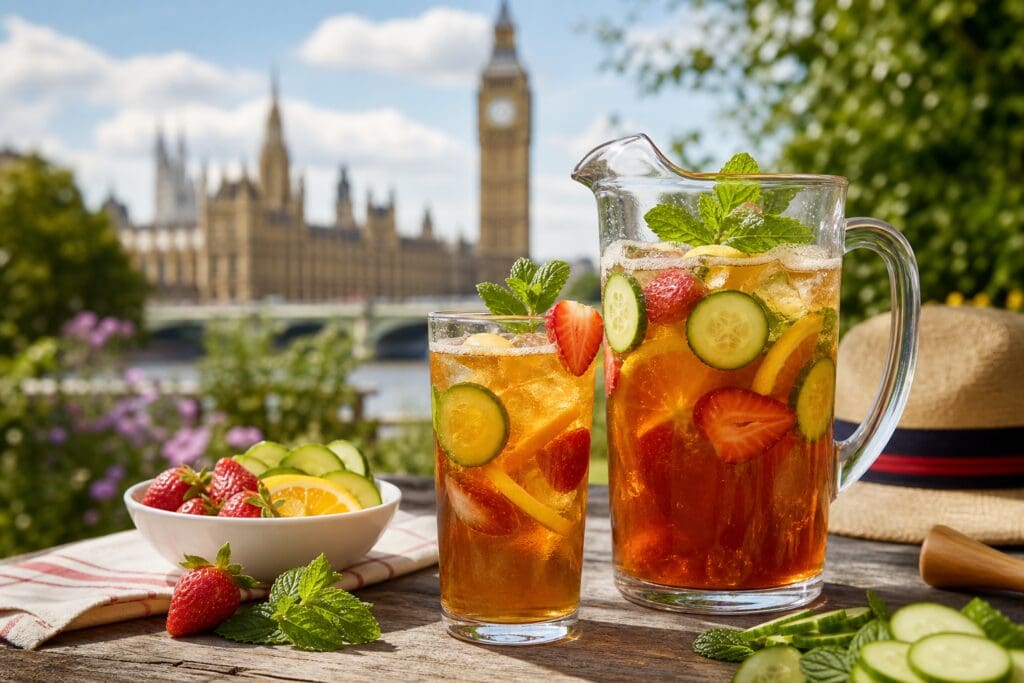
A classic Pimm’s Cup is usually made with Pimm’s No. 1, lemonade, ice and a mixture of fruit, cucumber and herbs. In the UK, “lemonade” generally means a clear, sparkling lemon-flavoured soft drink, not still cloudy lemon juice.
There are variations, and households often defend their own method. Some use ginger ale for a spicier finish. Some add borage, the traditional herb often mentioned in older serves, though mint is now far more common. Some keep the garnish simple, while others treat it like a fruit salad.
Typical ingredients include:
- Pimm’s No. 1, the gin-based liqueur at the centre of the drink.
- Sparkling lemonade, used as the classic long mixer in the UK.
- Cucumber, valued for its cool, clean aroma.
- Fresh mint, which gives a bright herbal lift.
- Orange, strawberries or apple, used for colour and fruitiness.
- Plenty of ice, essential for the refreshing summer style.
The usual serve is light, long and gently bitter-sweet. It should taste refreshing rather than syrupy. The fruit and herbs should support the drink, not overwhelm it.
Why cucumber, mint and fruit matter
The garnish is not just decoration. It is a major reason the Pimm’s Cup became so recognisable. A clear glass filled with amber liquid, green cucumber, red strawberries and fresh mint has a strong seasonal identity.
Cucumber is especially important. Its cool aroma links Pimm’s with freshness and garden produce. Mint adds lift and a familiar British summer scent. Citrus and berries bring brightness, colour and a sense of generosity.
The garnish also makes the drink feel communal. People can see that it has been made, not merely opened. Even when the recipe is simple, the finished jug suggests care. That visual abundance is one of the reasons Pimm’s works so well at parties and public events.
There is also a practical side. Fruit and herbs gently infuse the drink as it sits. A jug prepared a few minutes before serving can develop extra aroma without becoming complicated. Pimm’s is therefore both easy and theatrical, which is a useful combination for entertaining.
A tradition shaped by class, leisure and nostalgia
Pimm’s has often been associated with a certain idea of British leisure: lawns, clubs, tennis whites, summer dresses and polished silver jugs. That image can seem old-fashioned, but it explains part of the drink’s cultural power.
In Victorian and Edwardian Britain, social rituals around food and drink helped mark occasions and status. A named cup served in a respectable setting had a different meaning from a rough spirit drink. Pimm’s carried polish without being severe.
In modern Britain, the tradition is broader. Pimm’s appears at student picnics, barbecues, festivals, weddings and casual family lunches. It can still suggest heritage, but it no longer belongs only to formal society.
Nostalgia plays a role too. Many people associate the drink with particular memories: a first trip to Wimbledon, a village fête, a university May Ball, a parent’s garden party or a rare hot bank holiday. The tradition survives because it is tied to feeling as much as flavour.
Is Pimm’s Cup actually a cocktail?
A Pimm’s Cup can fairly be described as a long mixed drink, a punch-like serve or a cocktail, depending on how strictly the word cocktail is used. It does not look like a short, shaken drink served in a stemmed glass, but it shares the cocktail idea of balancing alcohol, sweetness, bitterness, dilution and aroma.
Its older identity as a “cup” is more specific. That word places it in a British tradition of sociable mixed drinks made for refreshment and sharing. Calling it a cocktail is understandable, especially outside the UK, but calling it a cup connects it more directly to its history.
The distinction matters because Pimm’s was never only about alcohol content. It was about service, season and occasion. The jug, the ice, the fruit and the leisurely pace all belong to the tradition.
Frequently Asked Questions
Where did Pimm’s Cup first become popular?
Pimm’s Cup first became associated with James Pimm’s London oyster bar, before spreading through wider hospitality and social occasions. Its popularity grew as the bottled drink became easier to serve beyond its original restaurant setting.
Why is Pimm’s so closely linked with Wimbledon?
Pimm’s suits Wimbledon because it is refreshing, sociable and strongly associated with British summer. Its long presence at the championships helped make it part of the event’s familiar food and drink culture.
What is the difference between Pimm’s and a Pimm’s Cup?
Pimm’s is the bottled liqueur, while a Pimm’s Cup is the finished mixed drink. The cup usually combines Pimm’s No. 1 with lemonade, ice, cucumber, fruit and herbs.
Is the original Pimm’s recipe known?
The complete original formula is not publicly known, and the brand’s flavour remains proprietary. However, Pimm’s No. 1 is widely understood as a gin-based drink flavoured with botanicals and spices.
Can a Pimm’s Cup be made without lemonade?
Yes, variations can use ginger ale or other mixers, though lemonade is the classic UK choice. Changing the mixer alters the sweetness, spice and overall character of the drink.
The enduring answer to the Pimm’s question
The famous Pimm’s Cup tradition comes from a London oyster bar, an older British culture of mixed cups and the gradual embrace of a drink that suited summer gatherings perfectly. James Pimm’s house serve became a bottled favourite, then a fixture of lawns, clubs, gardens and sporting events.
Its success lies in more than its recipe. Pimm’s is easy to make, attractive to serve and rich in social meaning. It turns a jug of mixed drink into a small ceremony of ice, fruit, cucumber and mint.
That is why the tradition still feels alive. A Pimm’s Cup is not just a taste of gin-based liqueur and lemonade. It is a taste of British summer, shaped by London hospitality, Victorian refreshment culture and generations of people making the most of a warm afternoon.