Why does red wine taste different after decanting? In simple terms, decanting changes how the wine meets air and how much sediment remains in the glass. These two factors can alter aroma, texture and flavour. A wine that seemed tight, sharp or muted straight from the bottle may feel softer, broader and more expressive after time in a decanter. Not every red wine improves, and some delicate bottles can fade quickly, but understanding what happens helps explain why the same wine can taste surprisingly different after being poured into another vessel.
Why does red wine taste different after decanting?
Red wine changes after decanting because its exposure to oxygen increases. When wine is sealed in a bottle, it develops in a low-oxygen environment. Once poured into a decanter, a much larger surface area touches the air. This can encourage aromas to open up and make certain flavours seem clearer.
The effect is not magic, and it is not the same for every bottle. Some wines need only a gentle splash and a short rest. Others, especially young, powerful reds with firm tannins, may benefit from longer aeration. Older wines often need careful handling because they can be fragile and may lose their freshness if left exposed for too long.
Decanting can also separate sediment from the liquid. Sediment is harmless, but it can taste bitter or gritty. Removing it may make the wine feel cleaner and smoother in the mouth. This is one reason decanting is often associated with mature red wines, particularly those that have spent many years in the bottle.
What happens when red wine meets air?
Air changes the way you experience wine mostly through aroma. Much of what we call flavour is actually smell. When a wine is poured into a decanter, volatile aroma compounds can become easier to notice. Fruit, spice, herbs, oak and earthy notes may all seem more distinct.
Oxygen can also affect some compounds in wine, softening certain harsh impressions. A young red may initially smell closed, savoury or slightly reduced. After decanting, those notes can lift, allowing fruit and other aromas to come forward.
However, oxygen is not always helpful. Too much exposure can make a wine taste flat or tired. Fresh fruit notes may dull, and the wine can begin to seem dry, stewed or lifeless. Decanting is therefore about balance, not simply giving every red wine as much air as possible.
Aeration can open up aromas
A freshly opened bottle may not show its full character immediately. This is especially common with youthful reds made from grapes such as Cabernet Sauvignon, Syrah, Nebbiolo or Malbec. These wines can have concentrated fruit, firm tannins and a dense structure that needs time to relax.
After decanting, you may notice changes such as:
- Dark fruit aromas becoming more obvious, such as blackcurrant, plum or cherry.
- Spicy notes appearing more clearly, including pepper, clove or liquorice.
- Oak-derived aromas, such as vanilla, cedar or toast, becoming better integrated.
- Earthy or savoury elements feeling less dominant and more balanced.
- The overall scent seeming wider, brighter and easier to recognise.
This does not mean the wine has become a different product. Rather, the same elements are being presented differently. Decanting can make a wine feel more expressive because the aromas are no longer trapped in the narrow neck of the bottle.
Tannins may seem softer
Tannins are natural compounds found in grape skins, seeds and stems. They create the drying feeling you notice on your gums and tongue when drinking some red wines. Tannins are important because they give structure and help many reds age well.
After decanting, tannins can seem less aggressive. The wine may feel rounder and smoother, even if the tannins are still present. This is partly because air changes the perception of the wine as a whole. When aromas become fuller and fruit seems more generous, tannins can feel better balanced.
It is worth noting that decanting does not remove tannins. It simply changes how you experience them. A highly tannic wine will not become soft and silky in ten minutes, but it may become more pleasant to drink with a little air.
The role of sediment in taste and texture
Sediment forms naturally in some red wines as they mature. It can include pigments, tannins and tartrate crystals that have fallen out of the liquid over time. Sediment is not a sign that the wine is faulty. In fact, it is common in traditional, age-worthy reds.
The issue is texture. If sediment is poured into the glass, it can make the final mouthfuls feel grainy. It may also add bitterness, especially if the bottle is shaken before serving. Decanting allows you to pour the clear wine away from the sediment, leaving the gritty material behind in the bottle.
For mature red wine, this can make a noticeable difference. The wine may taste cleaner, more elegant and less harsh. The flavour itself may not be dramatically altered, but the drinking experience becomes more refined.
A simple way to handle sediment is to stand the bottle upright for several hours before opening. This lets the sediment settle at the bottom. When pouring into the decanter, move slowly and stop when you see sediment approaching the neck of the bottle.
Which red wines benefit most from decanting?
Not every red wine needs decanting. Some are made to be enjoyed young and fresh, with bright fruit and light tannins. These wines can be perfectly enjoyable straight from the bottle. Others are structured, concentrated or mature enough to benefit from careful decanting.
Red wines that often respond well to decanting include:
- Young, full-bodied reds with firm tannins, such as Cabernet Sauvignon, Syrah or Bordeaux-style blends.
- Mature reds that have thrown sediment, including older Rioja, Barolo, Bordeaux or vintage Port.
- Wines that smell closed, muted or slightly reductive when first opened.
- Rich reds with noticeable oak influence, where air may help the flavours integrate.
- Powerful wines served with food, where a smoother texture can make the pairing more enjoyable.
Lighter reds usually need less air. Pinot Noir, Gamay and many lighter Italian reds can be delicate. If decanted for too long, they may lose their perfume and freshness. For these wines, a brief splash into a decanter, or simply pouring into a large glass, may be enough.
How long should red wine be decanted?
There is no single perfect time for every red wine. The right amount of decanting depends on the wine’s age, style, grape variety and condition. It also depends on personal taste. Some people prefer a wine when it is fresh and firm, while others enjoy it after it has softened.
As a general guide:
- Light, young reds may need no decanting or around 10 to 20 minutes.
- Medium-bodied reds may benefit from 20 to 45 minutes.
- Full-bodied, tannic young reds may improve after 45 minutes to two hours.
- Older reds with sediment may need decanting just before serving.
- Very fragile mature wines should be checked often and not left exposed for long.
The best approach is to taste as you go. Pour a small sip when the bottle is first opened, then taste again after some time in the decanter. This helps you notice the difference and decide when the wine is at its best.
Temperature also matters. In the UK, red wine is often served too warm if it has been sitting in a heated room. A slightly cooler red can taste fresher and more balanced. Decanting will not fix a wine that is too warm, although it may still open up its aromas.
Can decanting make red wine taste worse?
Yes, decanting can make some red wines taste worse. This usually happens when a wine is too old, too delicate or already fully open. Too much oxygen can strip away charm and freshness. A wine that was fragrant at first may become dull after sitting in a decanter for too long.
Older bottles are especially sensitive. A mature wine may have developed subtle notes of dried fruit, leather, tobacco, forest floor or spice. These aromas can be beautiful, but they can also fade quickly. For that reason, many older reds are decanted mainly to remove sediment, not to give them extended aeration.
Decanting can also exaggerate faults. If a wine is corked, oxidised or otherwise flawed, pouring it into a decanter will not repair it. In some cases, air may make the unpleasant aromas more noticeable.
A practical rule is to be cautious with rare, mature or delicate wines. Use gentle decanting and taste soon after pouring. For young, robust reds, you can be more relaxed.
Decanter shape, glass size and serving style
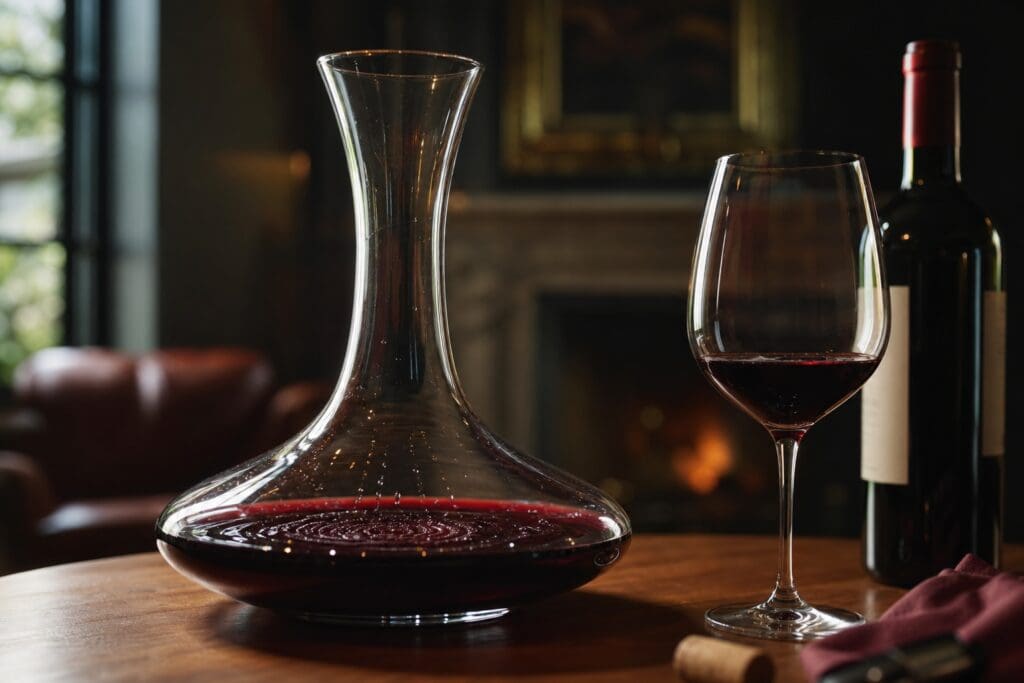
A decanter does not need to be elaborate to be useful. Its main jobs are to expose wine to air and help separate sediment. A wide-bottomed decanter increases air contact, which suits young, structured reds. A narrower decanter is often better for older wines because it limits excessive oxygen exposure.
Glassware also makes a difference. A large wine glass allows aromas to gather and gives you space to swirl the wine. This means a red can continue to develop after it leaves the decanter. If you do not own a decanter, pouring wine into a clean jug and then into glasses can still provide some aeration.
The way wine is poured matters too. Splashy pouring increases oxygen contact quickly, which can suit young, robust reds. Slow, steady pouring is better for older wines and bottles with sediment. Decanting is not one fixed technique; it should suit the wine in front of you.
Common myths about decanting red wine
Decanting is often treated as a formal ritual, but it is really a practical choice. Some myths can make it seem more complicated than it needs to be.
One common myth is that all red wine must be decanted. Many everyday reds are made to be opened and enjoyed without delay. Another myth is that longer decanting is always better. In reality, too much air can flatten a wine.
It is also not true that decanting makes cheap wine taste expensive. It may improve balance or aroma in some bottles, but it cannot add complexity that was never there. Decanting helps a wine show what it already has; it does not transform its quality.
Perhaps the most useful view is to treat decanting as a tasting tool. If a red wine seems tight, harsh or muted, air may help. If it already smells fresh and tastes balanced, it may not need much intervention.
Frequently Asked Questions
Does decanting red wine remove alcohol?
No, decanting does not meaningfully remove alcohol from red wine. The alcohol level remains essentially the same during normal serving times. What changes is the aroma, texture and balance, which can make the wine seem smoother or less sharp.
Is decanting the same as letting wine breathe?
They are related, but not exactly the same. Letting wine breathe in an open bottle gives limited air contact because the surface area is small. Decanting exposes much more wine to air, so the effect is usually faster and more noticeable.
Should supermarket red wine be decanted?
Some supermarket red wines can benefit from brief decanting, especially fuller styles with firm tannins. However, many fruit-forward reds are designed for easy drinking and may not need it. A short taste after opening is the best guide.
Can I decant red wine too early?
Yes, red wine can be decanted too early, particularly if it is older or delicate. Extended air exposure may cause aromas to fade and flavours to feel flat. Young, powerful wines are usually more tolerant of longer decanting.
Why does my red wine taste smoother after decanting?
Red wine may taste smoother after decanting because air helps aromas open and tannins seem better integrated. Removing sediment can also improve texture. The wine has not lost its structure, but its harsher edges may feel less obvious.