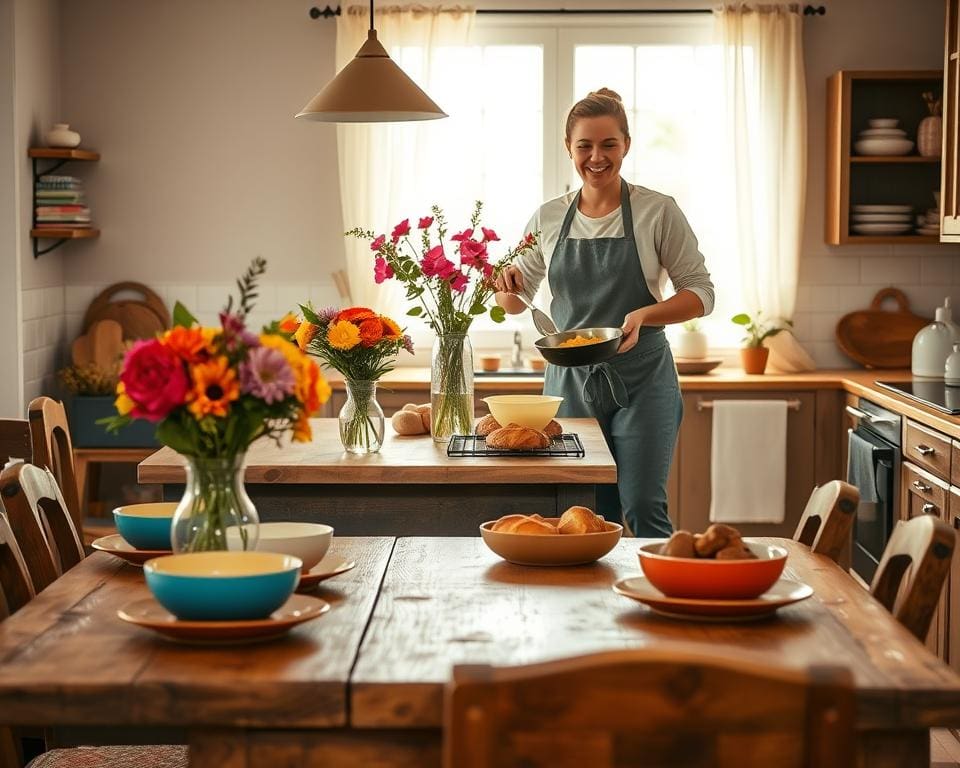
The kitchen serves as a prominent space where the essence of family bonding flourishes and cherished cooking memories are forged. As families gather to share meals, stories, and laughter, it becomes evident that the significance of the kitchen extends beyond mere food preparation. Statistical data reveals that families spend an average of 1.5 hours per day in this vital area, emphasising its role in daily routines and special occasions alike. The kitchen’s welcoming atmosphere fosters connections, making it the undeniable heart of the home.
The Role of the Kitchen in Family Life
The kitchen stands as a vibrant hub where family members unite, fostering connections and creating experiences. It serves as a backdrop for many cherished moments, from casual dinners to festive gatherings. The layout typically includes inviting dining areas, perfect for family gatherings centred around delicious meals. The nature of kitchen functions encourages everyone to engage in mealtime rituals that not only nourish the body but also strengthen familial bonds.
Gathering Together
In many households, the essence of family gatherings resides within the kitchen’s warm embrace. This space transforms into a lively arena where laughter and conversations flow freely. Kitchen traditions passed down through generations serve as a foundation, providing a sense of belonging. The act of preparing meals together promotes teamwork and allows individuals to share their unique cooking experiences, enriching these gatherings with personal flair.
Creating Lasting Memories
Family memories are intricately woven into the fabric of kitchen life. Every holiday celebrated, every birthday marked, contributes to the tapestry of shared experiences. Children are encouraged to participate in the culinary process, learning the art of cooking traditional recipes. Such moments not only spark creativity but also cultivate bonds that endure over time. As renowned chefs highlight, these cooking experiences teach valuable lessons about patience and collaboration, transforming the kitchen into a sanctuary of love and learning.
Why is the kitchen the heart of the home?
The kitchen represents more than just a space for cooking. It embodies a nurturing kitchen environment where families find solace and togetherness. This comforting space not only hosts meals but also fosters connections, making it an essential part of everyday life. The essence of kitchen symbolism showcases its role as a safe haven that nurtures both physical well-being and emotional connections.
Symbol of Comfort and Nurturing
Warmth from cooking creates an inviting atmosphere, as the scents of lovingly prepared meals waft through the air. This nurturing kitchen environment becomes a backdrop for countless interactions, reflecting personal stories and collective memories. Designed thoughtfully, kitchens enhance not just functionality but also emotional well-being, serving as locations where relationships blossom.
As home décor expert Kelly Hoppen suggests, a well-crafted kitchen promotes psychological comfort. Families retreat to this space to unwind and engage in meaningful conversations. The kitchen nurtures these connections, reinforcing its position as the heart of the home, where shared experiences cultivate strong bonds among family members and friends.
Culinary Creativity and Expression
The kitchen serves as a vibrant canvas for culinary creativity, offering numerous avenues for families to engage in recipe exploration and cooking experiments. This space encourages individuals to unleash their imagination through delicious creations, turning meal preparation into an exciting adventure. The rise of social media platforms has further amplified this, prompting families to share their culinary feats and celebrate home cooking as a central aspect of family life.
Exploring New Recipes
Families can dive into the vast resources available, such as BBC Good Food, to find inspiration for their next meal. Recipe exploration is not merely about following instructions; it encourages collaboration and innovation. Experimenting with flavours and cuisines fosters culinary creativity, transforming each dinner into an opportunity for discovery. Engaging in cooking together allows families to strengthen their bonds while developing essential cooking skills.
Sharing Culinary Skills with Family
Teaching cooking within the family creates a nurturing environment where culinary skills flourish. This hands-on learning fosters shared culinary experiences that can lead to healthier eating habits for children. As they participate in meal preparation, they gain confidence, knowledge, and an appreciation for the art of cooking. Engaging in cooking experiments with loved ones not only enhances family cooking skills but also cultivates a sense of unity, making each meal a memorable event.
The Kitchen as a Social Hub
The kitchen embodies more than just a cooking space; it serves as a vibrant social hub kitchen where relationships flourish and memories are created. Friends and family often converge, not solely for meals, but to share their lives in a nurturing environment. This central gathering spot fosters community interactions, allowing individuals to bond over shared experiences and engage in enriching conversations.
Open-plan designs have transformed the kitchen into a multifunctional area, blending comfort with functionality. These contemporary layouts encourage kitchen gatherings, where laughter and stories flow as freely as the aromas from the oven. Innovative trends, such as potlucks and cook-offs, highlight the kitchen’s role in forging friendships and strengthening neighbourhood ties, elevating the space from a cooking area to a lively centre of social activity.
Designing the Perfect Family Kitchen
Creating a functional and welcoming family kitchen requires careful thought about design elements that promote accessibility and interaction. Family kitchen design must prioritise layouts that encourage comfort and efficiency, making it easier for everyone to gather and prepare meals together.
Family-Friendly Layouts
When considering kitchen layouts, a focus on accessibility is essential. Features such as adjustable countertops and pull-out cabinets cater to various ages and abilities. Creating pathways that allow for smooth movement contributes significantly to the overall functionality. Open space kitchen design enhances flexibility, making it easier to organise gatherings and meal preparations.
Incorporating Open Spaces
Embracing open space kitchen design integrates cooking with dining and living areas, creating a harmonious flow within the home. Combining these spaces allows family members to engage with one another, encouraging shared experiences. Spacious layouts not only feel inviting but also foster inclusivity, ensuring that everyone feels a part of the kitchen magic.
Technology and the Modern Kitchen
In today’s culinary landscape, the integration of modern technology into kitchens transforms the cooking experience. Smart kitchen appliances play a pivotal role in enhancing cooking efficiency, allowing for effortless meal preparation and innovative culinary exploration. These devices not only streamline tasks but also redefine traditional cooking methods.
Smart Appliances for Efficient Cooking
Smart kitchen appliances, such as connected ovens and intelligent mixers, elevate the standard of meal preparation. These advanced devices provide users with various features that promote time-saving techniques and precise cooking methods. For instance, smart ovens can be preheated remotely, while programmable slow cookers ensure meals are perfectly ready at the right time.
Adopting modern technology in the kitchen contributes to a more sustainable approach to cooking. Efficient appliances reduce energy consumption, promoting environmentally friendly practices. Industry experts advocate for the adoption of these smart appliances, highlighting their significant impact on both efficiency and sustainability in food preparation.
The Emotional Significance of the Kitchen
The kitchen transcends its role as a mere cooking area; it serves as the emotional nucleus of the home. Many families gather around the heart of the home, fostering deep emotional connections that contribute to shared experiences. Whether preparing a warm meal on a chilly evening or celebrating special occasions, these intimate moments cultivate a profound sense of belonging and comfort.
Psychological studies underscore the value of environments that inspire feelings of safety and love, which naturally amplifies the kitchen’s significance. Engaging in culinary activities has been shown to promote positive kitchen emotions, offering a therapeutic outlet for creativity and expression. This emotional resonance not only enhances familial bonds but also elevates overall well-being, transforming routine cooking into a cherished ritual.
Moreover, the kitchen represents a canvas for family traditions and memories, where generations can gather to pass down recipes and stories. The physical space can be tailored to create an inviting atmosphere that embraces sustainability, as well. By focusing on the kitchen’s layout and workflow, one can ensure a serene environment that nurtures emotional satisfaction. Recognising the kitchen’s essential role in shaping positive kitchen significance helps families create not just meals, but moments that resonate on an emotional level.