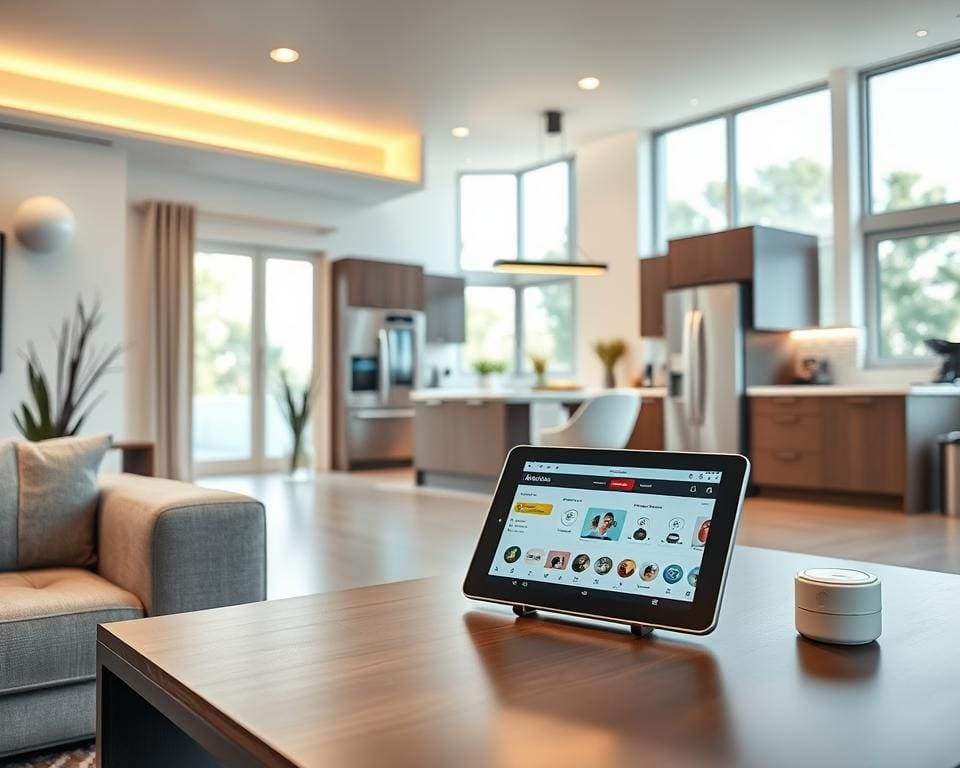
Investing in a smart home is increasingly relevant for homeowners and renters across the United Kingdom. A smart home combines internet‑connected devices, sensors and automation platforms to improve daily life, tighten security and cut energy use.
The rise of home automation UK has been driven by falling device prices, faster broadband and widely used platforms such as Google Home, Amazon Alexa and Apple HomeKit. Reputable brands like Philips Hue, Google Nest, Hive and Ring are readily available and help make a connected home straightforward to build.
You benefit whether you are a busy professional, a family juggling routines, an older resident seeking assistive technology, an eco-conscious household or a landlord looking to boost rental appeal. The smart home benefits range from hands‑free convenience to measurable energy savings and better security.
Think of investment as more than purchase cost. You invest in time saved, improved comfort, lower bills and potential uplift in property desirability. The right combination of devices and a clear plan delivers the best return.
Before you start, check broadband reliability and Wi‑Fi coverage and decide which ecosystem suits you. Consider a mesh system for full coverage, buy recognised brands and, for complex tasks such as whole‑home HVAC integration or wired alarms, consult qualified installers. For further guidance on staged upgrades and energy‑focused choices, see this practical guide on modernising your home with smart upgrades: modern smart upgrades.
Protecting privacy and security matters. Review device policies, use strong passwords, keep firmware updated and consider devices with local processing or robust encryption. Buy from authorised retailers and check warranties and consumer protections available in the UK market.
In short, to invest in smart home technology is to make a lifestyle and financial choice. With planning, compatible kit and sensible security, you gain convenience, efficiency and greater peace of mind.
Benefits of a smart home for convenience and daily living
Smart home convenience means fewer daily chores and smoother control of your living space. It covers reduced manual tasks, seamless environment control and simpler management of devices. Automation coordinates lights, heating and appliances so rooms work together without constant input from you.
Automated routines that save you time
Home automation routines let you set scenes and schedules that match your life. A morning routine can raise blinds, start a smart kettle and nudge the thermostat to a comfortable temperature. Motion sensors can switch on hallway lights at night. Conditional rules can arm security and lower heating when no one is at home.
Popular services make this easy to implement. Philips Hue offers lighting scenes, IFTTT links different services, Amazon Alexa and Google Home support straightforward routines, and Apple Shortcuts integrates with HomeKit. Those tools cut time spent on repetitive tasks and reduce the number of forgotten actions, such as lights left on or doors unlocked.
Voice control and hands-free operation
A voice-controlled home uses assistants like Amazon Alexa, Google Assistant and Siri to manage music, lights, thermostats and timers without touching a screen. You can follow recipes with hands-free timers, control media while carrying items, or place calls without stopping what you are doing.
Voice control brings clear accessibility benefits. It helps visually impaired or mobility-limited residents perform daily tasks more independently. For best results, choose an ecosystem that fits your devices, enable microphone privacy settings and set up voice profiles for personalised responses.
Remote access and control from anywhere
Remote home control works through smartphone apps or web portals so you can monitor and adjust devices while away. You can check camera feeds, tweak heating or switch lights on to deter intruders. Ring and Google Nest products offer live view and motion alerts; Hive and Nest thermostats support remote scheduling and geofencing; TP-Link Kasa and Meross smart plugs let you control appliances from a distance.
For travellers and hosts, remote control delivers peace of mind and quick responses to alerts. It helps manage energy use across properties and supports landlords or holiday-let managers who must operate several homes. Start with one ecosystem, use clear device names, and protect access with strong passwords and two-factor authentication to keep remote control secure.
These convenience features add up to tangible time savings, improved daily flow for households and better support for those with mobility needs. A well planned smart home UK setup makes everyday life noticeably easier and more manageable.
How smart home technology improves energy efficiency and reduces bills
You can cut wasted energy by giving each system precise control and useful data. Smart devices let you measure use, automate routines and change behaviour to save on bills. This section outlines practical ways to boost smart home energy efficiency while keeping comfort.
Smart heating, ventilation and air conditioning (HVAC) systems
Smart thermostats from Nest, Hive, Tado and Ecobee learn your routine, use geofencing and adapt schedules to trim heating demand. Such devices deliver measurable smart thermostat savings by cutting runtime and avoiding overheating.
These systems can integrate with combi boilers, heat pumps and underfloor heating where compatible. Smart radiator valves like Honeywell Evohome and Tado Smart Radiator Thermostats let you set temperatures room by room. Zoning prevents you from heating empty bedrooms in a terrace or semi-detached home, so smart heating UK setups work well with typical British house layouts.
Ventilation and air-quality monitors from Awair and Netatmo link to extractor fans and MVHR systems. Humidity sensors and air-quality controls keep fresh air levels right while limiting heat loss, supporting both comfort and efficiency.
Intelligent lighting and appliance control
LED smart bulbs such as Philips Hue, LIFX and IKEA TRÅDFRI cut lighting energy use through scheduling, dimming and motion triggers. Motion-triggered scenes make intelligent lighting work without you thinking about switches.
Smart plugs and energy monitors from TP-Link Kasa, Hive Active Plug and Sense track appliance draw and let you switch off standby loads. Scheduling dishwashers and washing machines to run on low-tariff periods reduces running costs and pairs well with smart home energy efficiency tools.
Modern appliances often include eco modes and delayed-start features. Using those features with energy monitoring gives you control over consumption and helps you plan for off-peak tariffs.
Long-term cost savings and return on investment
Smart thermostats commonly report double-digit percentage reductions in heating for many households, while LEDs and control optimisations cut lighting costs substantially. Actual savings depend on insulation, occupant habits and local energy prices, yet data-driven controls deliver consistent reductions.
Initial costs vary from low for smart plugs and bulbs to higher for whole-home HVAC integration. Many owners see smart home ROI within a few years thanks to lower bills and improved system efficiency.
Additional financial benefits include higher market appeal, fewer maintenance surprises from predictive alerts and potential eligibility for UK grants or incentives. To maximise returns, combine smart controls with better insulation, correct sensor placement and regular review of device usage reports.
Security, safety and future-proofing your home
A layered approach to smart home security combines connected cameras, sensors, smart locks UK and alarms to protect your property. Devices such as Ring, Google Nest Doorbell and Arlo give motion alerts, two‑way audio and cloud or local storage. Linking cameras with lighting and smart alarm systems can trigger lights and sirens automatically, deterring intruders and alerting you in real time.
For access control, smart locks from Yale Conexis, August and Nuki offer keyless entry, temporary guest codes and remote locking. Check compatibility with multipoint door locks and speak to your insurer about requirements, as some policies need specific fittings or professional installation to qualify for discounts. Smart alarm systems and professional panels provide monitoring, instant alerts and optional verified monitoring services for added reassurance.
Home safety systems extend beyond burglary detection. Fit smart smoke and carbon monoxide alarms such as Nest Protect or First Alert devices, and add water‑leak detectors to reduce damage and give early warnings. Be mindful of privacy: review camera storage policies, prefer encrypted services or local storage where appropriate, and follow UK data‑protection guidance when recording shared spaces to stay within legal responsibilities.
To future‑proof your home, choose devices that support Matter, Zigbee or Z‑Wave and stick to widely supported ecosystems to avoid vendor lock‑in. Plan network capacity and wiring, use network segmentation for IoT devices, enable two‑factor authentication, and keep firmware updated. A well‑specified smart security setup not only protects you today but can make your property more attractive to buyers and tenants, ensuring long‑term value from your investment.