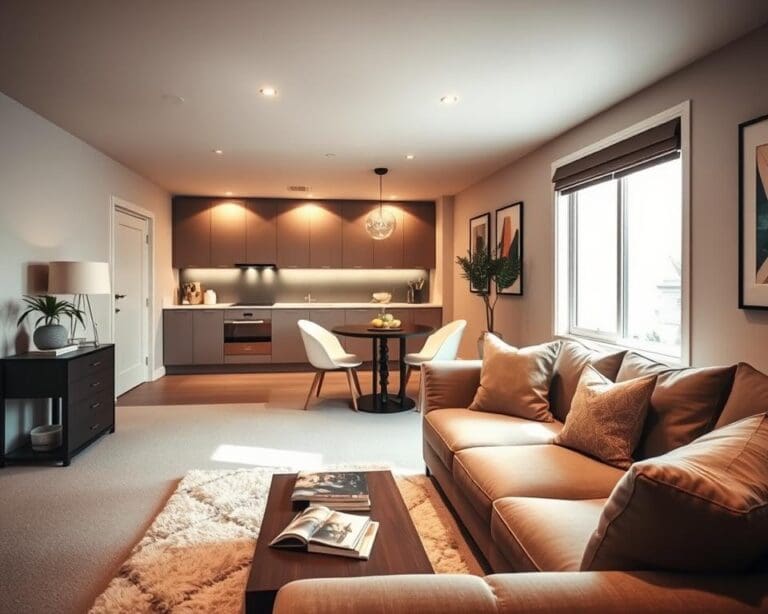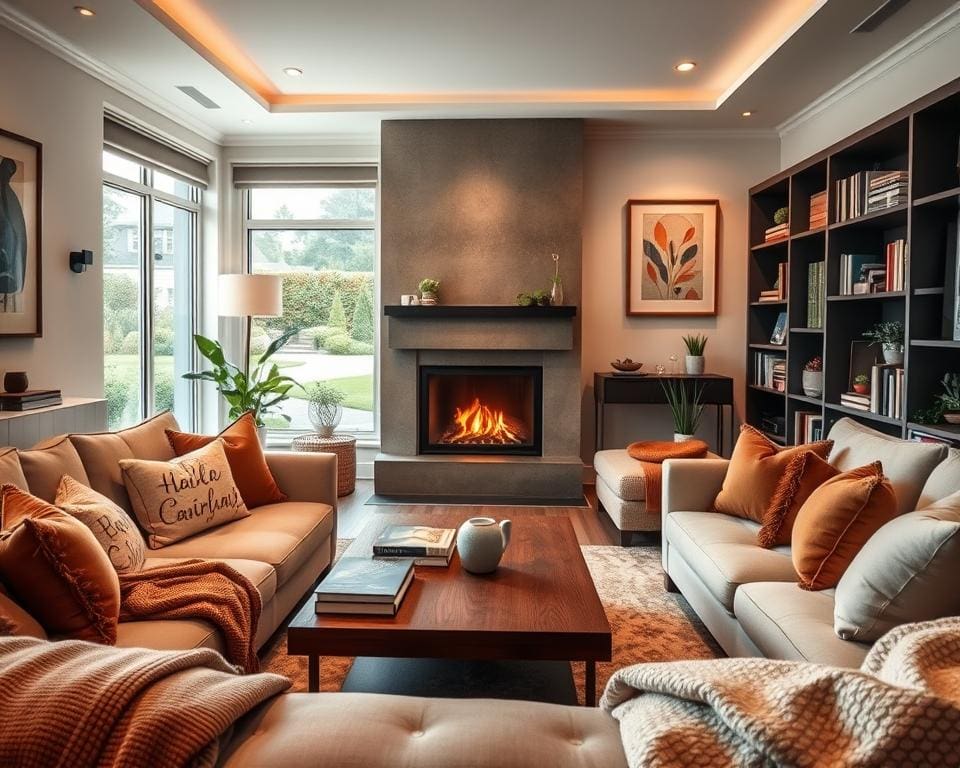
Long-term home comfort blends energy savings, healthy indoor air, and practical design so a house feels better for years. Focusing on essential home upgrades helps lower operating costs, improve livability, and protect families from hotter summers and colder winters.
Rising energy bills, shifting climate patterns, and an aging population make energy-efficient home upgrades and indoor comfort renovation priorities for many homeowners in the United States. Prioritizing the right projects delivers immediate comfort gains and long-term value.
This article covers core categories: heating and cooling efficiency, insulation and air sealing, smart controls and zoning, indoor air quality solutions, moisture and mold prevention, comfort-focused interior upgrades, accessibility modifications, and long-term investments such as solar and high-efficiency appliances.
Costs vary. A full HVAC replacement often ranges from $5,000 to $12,000, attic or wall insulation runs from a few hundred to several thousand dollars, and window replacement commonly costs $300 to $1,000 per window. Typical payback timelines fall between 3 and 15 years, depending on the upgrade and local energy prices.
Federal and state incentives can reduce upfront costs. The federal Residential Clean Energy Credit, ENERGY STAR rebates, and many utility programs offer credits and rebates that make energy-efficient home upgrades more affordable.
Start by assessing your home: an energy audit, HVAC tune-up, or a blower door test will reveal priorities. Hire licensed contractors for complex work—HVAC technicians, insulation professionals, and certified window installers—while homeowners can safely handle tasks like smart thermostat installation and basic maintenance.
For technical guidance, consult the U.S. Department of Energy on insulation and heating and cooling, the Environmental Protection Agency for indoor air quality, and ENERGY STAR for appliances and windows. These resources help align home comfort improvements with proven standards.
What are essential upgrades for long-term home comfort?
Investing in comfort means choosing upgrades that cut bills, lift wellbeing, and last for decades. Start with systems and envelope improvements that work together: efficient HVAC systems paired with tight air sealing and targeted insulation can change how a house feels and performs year-round.
Energy-efficient heating and cooling systems
Modern high-efficiency options deliver reliable comfort and lower operating costs. ENERGY STAR heat pumps, including cold-climate models from makers such as Mitsubishi, Daikin, and Trane, provide heating and cooling with strong SEER and HSPF ratings.
Consider a heat pump conversion from fossil-fuel systems to electric for a smaller carbon footprint and one-unit year-round climate control. Dual-fuel systems, high-efficiency furnaces, and condensing boilers remain viable where electrification is gradual.
Get a Manual J load calculation and professional duct design before buying equipment. Proper refrigerant charge, correct sizing, and quality installation are essential to reach rated efficiency and avoid short-cycling.
Keep units maintained with annual inspections, timely filter changes, and coil cleaning to protect performance and lifespan.
Insulation and air sealing improvements
A tight, well-insulated envelope reduces heating and cooling loads and makes HVAC work smarter. Attic upgrades with blown cellulose or fiberglass to R-49 or higher pay off in most U.S. climate zones.
Wall cavity dense-pack cellulose and targeted spray foam can fix thermal gaps. Basements and crawl spaces benefit from rigid foam board or spray foam to manage thermal bridging and moisture.
Air sealing priorities include rim joists, gaps around windows and doors, recessed lights, and service penetrations. Use caulk, spray foam, and weatherstripping for durable results.
Diagnostic tools such as blower door testing and infrared thermal imaging help find leaks and cold spots so upgrades are focused and effective. Brands like Owens Corning, Johns Manville, and CertainTeed supply common insulation materials used across the U.S.
Smart thermostats and zoning for temperature control
Smart thermostat benefits include adaptive scheduling, remote control, clear energy reports, and voice assistant integration. Popular models from Google Nest, ecobee, and Honeywell Home add convenience and measurable savings.
HVAC zoning with motorized dampers and multi-zone controls lets rooms be conditioned independently. Zoning works well in two-story homes or houses with large thermal differences, raising comfort while lowering wasted energy.
Pair smart controls with correct system sizing and thoughtful zoning design to avoid inefficiency. Many utilities offer rebates for smart thermostat benefits and HVAC zoning controls through energy-efficiency programs, making upgrades more affordable.
Upgrades to indoor air quality and health-focused systems
Clean, balanced air changes how a home feels and how people breathe. Targeted indoor air quality upgrades protect health, cut odors, and make living spaces more comfortable year round. Small changes add up when systems are sized and installed correctly.
Whole-house ventilation and air purification
Balanced mechanical ventilation like heat recovery ventilators (HRVs) and energy recovery ventilators (ERVs) brings fresh air into tight homes while saving energy. ERVs move moisture with heat transfer and work best in humid climates. HRVs suit colder, drier regions where moisture transfer is less desirable.
Whole-house air purification options include in-duct HEPA filtration where the system can handle the added static pressure. Ultraviolet germicidal irradiation (UVGI) treats microbes in the ductwork. Standalone HEPA air purifiers from brands such as Honeywell, Blueair, and IQAir offer portable cleanup for bedrooms and living spaces. Hire a professional for proper sizing and integration to preserve airflow and system efficiency.
HVAC filtration and maintenance routines
Good HVAC filtration starts with the right filter rating for your system. MERV 8–13 filters balance particle capture and airflow in most homes. Higher MERV ratings help with specific health needs but require verification of HVAC compatibility.
Pleated filters deserve a monthly check and replacement per manufacturer guidance, often every 90 days or sooner for high-use homes. Schedule HVAC tune-ups twice a year: a pre-winter heating check and a pre-summer cooling service. Technicians should clean coils, check refrigerant, lubricate motors, and test safety controls.
Routine care preserves efficiency, extends equipment life, and keeps indoor air quality upgrades performing as expected.
Moisture control and mold prevention
Moisture comes from roof or foundation leaks, plumbing faults, and daily activities such as showers and cooking. Poor ventilation raises indoor humidity and invites mold growth.
Practical fixes include repairing leaks, using kitchen and bathroom exhaust fans vented outdoors, and installing dehumidifiers in basements or crawlspaces. Aim for relative humidity between 30–50% to limit mold risks. Monitor conditions with a simple hygrometer and use infrared imaging or professional inspections for hidden leaks.
Choose moisture-resistant drywall in wet areas and add vapor barriers where contractors recommend them. For active contamination, follow approved mold remediation procedures to protect occupants and the building fabric.
For a clear primer on comfort-focused improvements, see this guide on everyday upgrades that boost home comfort: home improvements that increase everyday comfort.
Comfort-enhancing interior and accessibility upgrades
Small upgrades inside a home create big gains in daily comfort and long-term livability. Thoughtful choices for windows, doors, floors, and layout can cut utility bills, improve safety, and make spaces feel welcoming at every age.
Window and door replacements for comfort and efficiency
Upgrading to replacement windows with double- or triple-pane glazing and low-emissivity coatings boosts thermal performance. Inert gas fills like argon or krypton, plus insulated frames, reduce heat transfer. Proper installation and tight flashing prevent air and water intrusion.
ENERGY STAR certified products perform differently by climate; look at U-factor for heat loss and SHGC for solar gain. Insulated steel or fiberglass entry doors with quality weatherstripping cut drafts, raise security, and lower energy loss. Trusted manufacturers such as Pella, Andersen, and Marvin offer models built for long-term performance.
Flooring and surface choices for year-round comfort
Choose comfortable flooring that supports thermal comfort and sound control. Engineered hardwood or luxury vinyl plank over an insulated subfloor keeps rooms warm. Carpet with dense padding adds softness and warmth in cold climates.
Tile works well with radiant floor heating in bathrooms and kitchens for instant warmth underfoot. Cork and rubber reduce noise and add resiliency. Select low-VOC finishes and reputable brands like Mohawk or Shaw to limit off-gassing and protect indoor air quality.
Universal design and aging-in-place modifications
Universal design focuses on usability for all ages. Wider doorways, lever handles, curbless showers, and non-slip flooring improve daily safety. Single-level living or a main-floor bedroom adds convenience without major remodeling.
Aging-in-place home upgrades include grab bars, reinforced walls for future fixtures, adjustable-height counters, and reachable electrical controls. Follow ADA guidance for residential adaptations and consult an occupational therapist or certified aging-in-place specialist for tailored solutions.
These interior and accessibility upgrades deliver comfort now and value later. Combining insulating windows, energy-efficient doors, and comfortable flooring with universal design principles helps homeowners live better today and keep homes marketable tomorrow.
Long-term investment upgrades for efficiency and value
Strategic home efficiency investments pay off in comfort and resale. Start by considering solar photovoltaic systems with battery storage. Systems from SunPower, LG Solar, or Tesla’s Solar Roof and Powerwall can cut energy bills, provide backup power, and qualify for the federal Investment Tax Credit plus state and local incentives. Solar panels ROI improves when paired with a home energy management system that shifts loads and pairs with EV charging.
Upgrade major appliances and water heating next. ENERGY STAR refrigerators, dishwashers, and washers/dryers cut energy and water use. Tankless or heat pump water heaters from Rheem or A. O. Smith also lower operating costs and free up space. Choosing durable, high-efficiency appliances boosts long-term home value and reduces maintenance headaches.
Integrate smart home controls to coordinate solar, storage, HVAC, and charging. Platforms like Google Nest, ecobee, and Control4 help optimize comfort and costs across systems. Don’t overlook ductwork and distribution: sealing and insulating ducts, redesigning runs, or converting targeted zones to mini-split systems improves comfort distribution and system efficiency.
Finish with exterior and site-focused investments that protect the asset. Shade trees and cool-roof materials reduce cooling loads, while improved grading and drainage prevent moisture damage to the foundation. Finance upgrades with options like home equity loans, PACE where available, energy-efficient mortgages, or contractor financing. Prioritize the building envelope first, then HVAC and controls, followed by IAQ and renewables to maximize payback. With lifecycle thinking—warranties, maintenance, and total cost of ownership—these choices elevate comfort and long-term home value while enhancing appeal for future buyers through targeted home upgrades for resale.