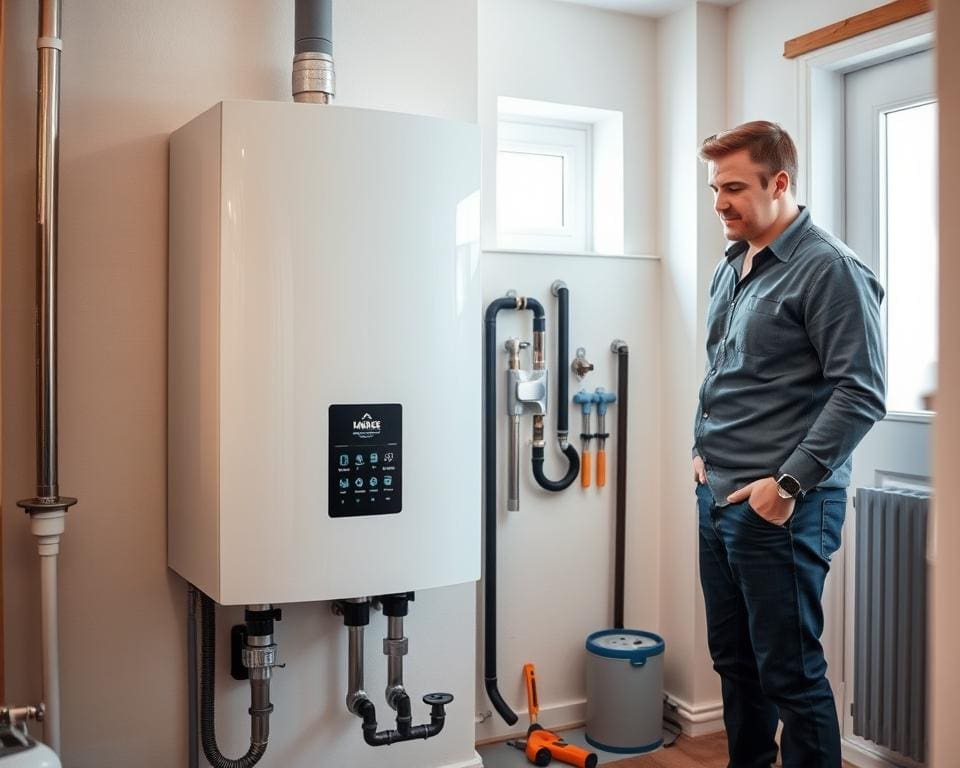
Choosing a boiler for home heating is an important decision that affects comfort, energy bills and reliability. This guide explains how to pick a domestic boiler or residential boiler that fits your house, hot water needs and budget.
Start by checking your property and fuel options. Consider mains gas, oil, LPG, electric or renewable choices and whether a boiler installation will need a new flue or extra space for a cylinder. Manufacturers such as Worcester Bosch, Vaillant and Baxi set clear expectations on warranties and servicing, and gas boilers must be fitted by a Gas Safe-registered engineer under UK regulations and Part L building rules.
Next, think about hot water demand and property size. A combi, system or regular boiler suits different layouts and numbers of bathrooms. Look at existing pipework and radiators, estimate the kW output you need, and weigh expected running costs and efficiency targets when choosing a house boiler.
Use this article to identify constraints, compare boiler types, check efficiency ratings and plan a sensible control strategy such as a smart thermostat with weather compensation. By the end you should have a shortlist of suitable home boiler options, an estimated kW requirement and a practical checklist for boiler installation and aftercare.
Understanding types of domestic boiler and home heating system options
Choosing the right domestic boiler shapes how your home heating system performs and how much space installation will need. You should match system type to your property size, hot-water habits and loft or airing-cupboard space.
Below are the main options you will meet when replacing a residential boiler or fitting a new one. Each type changes how hot water is stored, how quickly it is available and the complexity of installation.
Combi boilers: how they work and who they suit
A combi boiler heats mains water on demand, so there is no cylinder in your airing cupboard and no loft tanks in most cases. This compact approach suits small to medium UK homes with one bathroom or limited plant room space.
Popular combi boiler models from Worcester Bosch and Vaillant are compact and cost-effective to fit. Expect lower upfront installation costs, but limited simultaneous delivery if several taps or showers run at once.
System boilers: benefits for larger properties and storage tanks
A system boiler works with a separate hot-water cylinder and contains most components inside the boiler casing. That simplifies plumbing and speeds up installation compared with conventional setups.
This arrangement suits larger properties or homes with multiple bathrooms where you need steady hot-water flow to several outlets. You will need room for a cylinder, usually in an airing cupboard, and possibly a cold-water feed or expansion tank for vented systems.
Regular (conventional) boilers: when a traditional setup is best
Regular boilers, sometimes called conventional boilers, use a hot-water cylinder plus a header tank in the loft. Pumps and the expansion vessel can be external to the main unit.
This setup fits older houses, heritage properties or homes with existing separate tanks and pipework. It helps when mains water pressure is low and you prefer stored hot water. Expect a larger footprint and more complex installation work.
Comparing condensing vs non-condensing boilers for energy efficiency
Condensing boilers recover extra heat from flue gases and are much more efficient than older non-condensing units. Since 2005, condensing boiler technology has been required for new gas installations in UK building regulations.
Non-condensing boilers are rare for new installs but still appear in older systems. Replacing one may require changes to flue position and condensate drainage. A condensing boiler reduces fuel bills and CO2 emissions when fitted and maintained correctly.
Assessing your property and heating needs for a boiler for home
Before you choose a house boiler, take time to check the fabric of your home and how you use heat and hot water. A brief survey will show floor areas, insulation quality, glazing and exposed walls. These factors shape the heat demand and guide the correct boiler size kW for your property.
Calculating your heat demand and boiler size (kW output)
Estimate heat loss by room to get a sensible starting point. Typical UK ranges help: small flat 24–27 kW, mid-terrace 27–34 kW, detached 34–42+ kW. You should still book a qualified heat-loss survey for accuracy. Wrong sizing leads to problems: an oversized boiler cycles too often and wastes energy, while an undersized unit may fail to maintain comfort.
Think ahead if you plan insulation upgrades or an extension. Future changes alter the required boiler size kW and can save money over the life of your home boiler.
Considering hot water usage: taps, showers and baths
Work out simultaneous demand from taps, showers and baths. A combi unit needs strong flow rate and plate heat exchanger capacity to meet multiple outlets. For busy households with several bathrooms, a system or regular boiler with a cylinder often gives steadier hot water.
Unvented cylinders give high-pressure delivery to several outlets at once. Fit thermostatic mixing valves to keep hot water safe for family use.
Evaluating pipework, radiators and existing heating infrastructure
Check radiators for size and condition. Small or old radiators can restrict heat output and may need upgrading when you fit a more powerful house boiler. Balance radiators so rooms heat evenly.
Inspect pipework material and layout. Corroded or undersized pipes may need replacing. Combi boilers require suitable flow and return connections and a condensate discharge route. Confirm controls compatibility, including TRVs, zone valves and pump wiring, to avoid extra work later.
Fuel choices: gas, oil, LPG, electric and renewable options
Match fuel choices to location and budget. Mains gas is common and usually economical in urban areas. Oil suits rural homes off the gas grid but needs a tank and deliveries. LPG offers a gas-like solution where mains gas is unavailable.
Electric boilers have lower installation cost but higher running expenses unless paired with low-tariff electricity or heat pumps. Heat pumps, such as air-source and ground-source, cut carbon output and work best with larger radiators or underfloor heating. Consider availability, upfront cost, running cost and carbon intensity when choosing fuel for your home boiler.
Choosing an energy-efficient boiler and reliable home boiler features
When you shop for a new boiler, focus on real-world performance, not just the label. An energy-efficient boiler can cut bills, but correct sizing and commissioning matter just as much as the ErP rating shown on the box.
Older documentation may cite SEDBUK figures while some international spec sheets use AFUE percentages. Use these numbers to compare models, aiming for high seasonal efficiency. Remember that a condensing appliance typically delivers 90%+ seasonal efficiency when installed and balanced correctly.
Smart controls give you fine control over heating patterns. Systems such as Nest, Hive or Honeywell evohome let you zone rooms and set schedules. Weather compensation, either built into the boiler or via an external sensor, adjusts flow temperature to outdoor conditions and reduces waste.
Noise levels are important if the unit sits near living areas. Check sound power and emission data before you buy. Choose a reputable manufacturer to improve chances of quality build and local support; brands with strong UK networks include Worcester Bosch, Vaillant and Viessmann.
Your installer is as vital as the make. A Gas Safe-registered engineer who commissions and balances the system properly ensures rated efficiencies are achievable. Poor installation can erase any benefit from a high ErP rating.
Compare boiler warranty terms closely. Look at what is covered for the heat exchanger, parts and labour, plus any conditions that require dealer registration. Regular annual servicing by a qualified engineer keeps the system safe and helps preserve the boiler warranty.
Spare parts availability affects downtime. Established manufacturers usually maintain stock in the UK, making boiler repairs faster and less disruptive. Ask about service networks and typical lead times when you vet models for long-term reliability.
Practical considerations for boiler installation and ongoing costs
When planning boiler installation, start with a qualified installer. For gas work use Gas Safe-registered engineers and for oil use OFTEC-registered engineers. Check reviews, manufacturer accreditation such as Worcester Bosch Accredited, and ask for references before you accept a quote for a house boiler or residential boiler.
Expect a site survey to confirm flue routes, condensate drains, water and gas or electrical supply, and space for any cylinder or tanks. Installers usually handle Part L compliance and building control notifications, and they will advise on safe flue positions and carbon monoxide requirements for your home boiler.
Ask for itemised quotations that list boiler make and model, kW output, controls, pipework or radiator upgrades, flue works and labour. Costs vary by boiler type — combi, system or regular — and by complexity such as moving a flue or changing fuel. Obtain multiple quotes to compare and check whether grants or local low‑carbon incentives apply if you are considering a more energy-efficient boiler or a heat pump.
Factor in ongoing costs: mains gas often gives lower running costs than electricity, while oil and LPG can be more volatile. Budget for annual servicing, parts over a 10–15 year life and eventual replacement. Ensure your chosen reliable home boiler brand has good UK parts supply and a national service network to reduce downtime and long-term costs.
Plan installation timing and aftercare. Schedule works outside the coldest months where possible, and insist on a commissioning certificate, manufacturer registration for warranty and a user demonstration. Balance radiators, set thermostats and TRVs correctly and fit carbon monoxide alarms near boiler rooms to keep performance optimal and ongoing costs down.