When you think about comfortable home furniture, it helps to look beyond softness. Comfort also means good ergonomics, practical storage and pieces that fit your routine. The right furniture for home comfort supports posture, eases daily tasks and makes rooms feel calmer.
Investing in thoughtful home furnishing pays off. An ergonomic sofa or armchair can reduce aches. A well-chosen mattress and bed frame improve sleep quality. Clever storage cuts clutter and lowers stress, while textiles and lighting create a cosier atmosphere.
Space matters in UK homes. Whether you live in a small city flat, an open-plan living room or a period terrace, multipurpose and correctly scaled pieces are essential. Later sections will cover essentials for everyday comfort, cosy living-room touches, bedroom choices to boost rest, and practical furnishing to keep your home peaceful and functional.
Durability and sustainability are important. Brands such as DFS, John Lewis & Partners, Made.com and Habitat offer replaceable cushions and long-lasting upholstery that can save money and reduce waste over time.
Throughout this guide you will find actionable tips: how to prioritise purchases, measure your space, test furniture in-store or use trial periods, and combine relaxing furniture for home with a look you love.
comfortable home furniture: essentials for everyday comfort
Choosing the right pieces shapes how you feel at home each day. This short guide helps you pick seating, fabrics and layouts that improve comfort and function without overwhelming a room. Use these tips when shopping or planning a living room refresh.
Choosing sofas and armchairs that support your posture
Ergonomics matter for long-term wellbeing. Aim for a seat depth of roughly 50–60cm for most UK adults so your thighs sit comfortably. Seat height of about 42–48cm lets your feet rest flat on the floor. Check for good lumbar support before you buy.
Look for solid hardwood frames such as beech or oak and corner-blocked joints for durability. Springs, coil or serpentine, paired with a high-density foam core wrapped in softer fibre, give balanced support and comfort. Try items in store or choose retailers with trial periods like John Lewis & Partners, Heal’s, DFS or Sofology.
Pick styles to suit your needs. High-backed armchairs work well for reading. Recliners help those with limited mobility. Modular sofas adapt to growing families and changing layouts while keeping your furniture for home comfort practical.
Materials and upholstery that balance comfort and durability
Fabric choice affects feel and maintenance. Natural fibres such as cotton and linen breathe well but may stain and crease. Polyester blends increase resilience and resist wear. Consider performance fabrics like Aquaclean for easy cleaning.
Leather brings longevity and a classic look, though it can feel warm in summer. Faux leather offers an animal-friendly alternative with simpler care. For cushions, a foam core with fibre wrap keeps shape while offering softness. Feather and down feel luxurious but require regular plumping and may not suit allergy sufferers.
Practical care extends life. Choose removable, washable covers if possible. Follow manufacturer instructions, rotate cushions regularly and vacuum fabric surfaces to maintain a fresh look for your home furnishing.
Size and layout considerations for family living rooms
Measure carefully before buying. Note room dimensions, doorways and staircases so items arrive without fuss. Allow 30–45cm circulation space around seating to keep movement easy.
Anchor seating to a focal point such as a fireplace or window. Use rugs to define zones for TV watching and conversation. For small UK flats, choose loveseats or compact modular sofas to keep scale right.
Choose multipurpose pieces to boost function. Sofa beds, storage ottomans and modular systems increase usefulness while supporting snug home decor. For homes with children or pets, pick stain-resistant fabrics, darker tones or patterned upholstery and washable slipcovers to disguise wear.
Cozy living room furniture and accessories that enhance relaxation
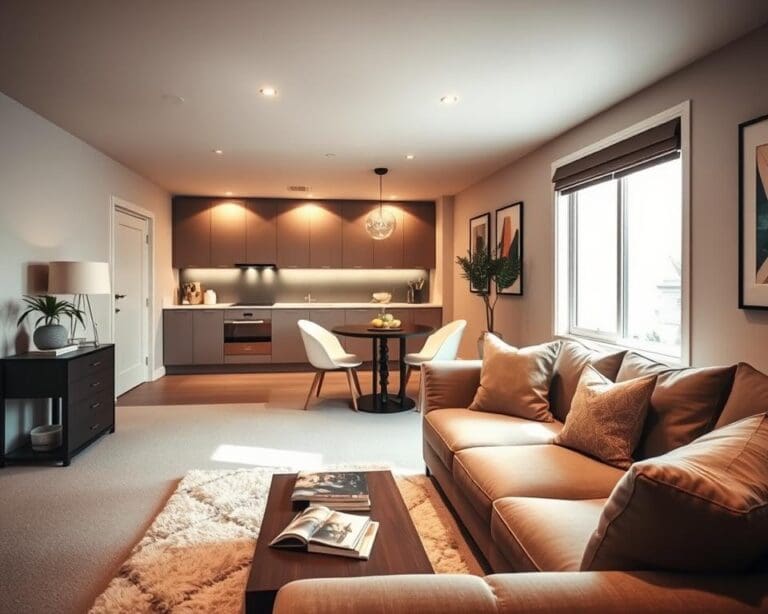
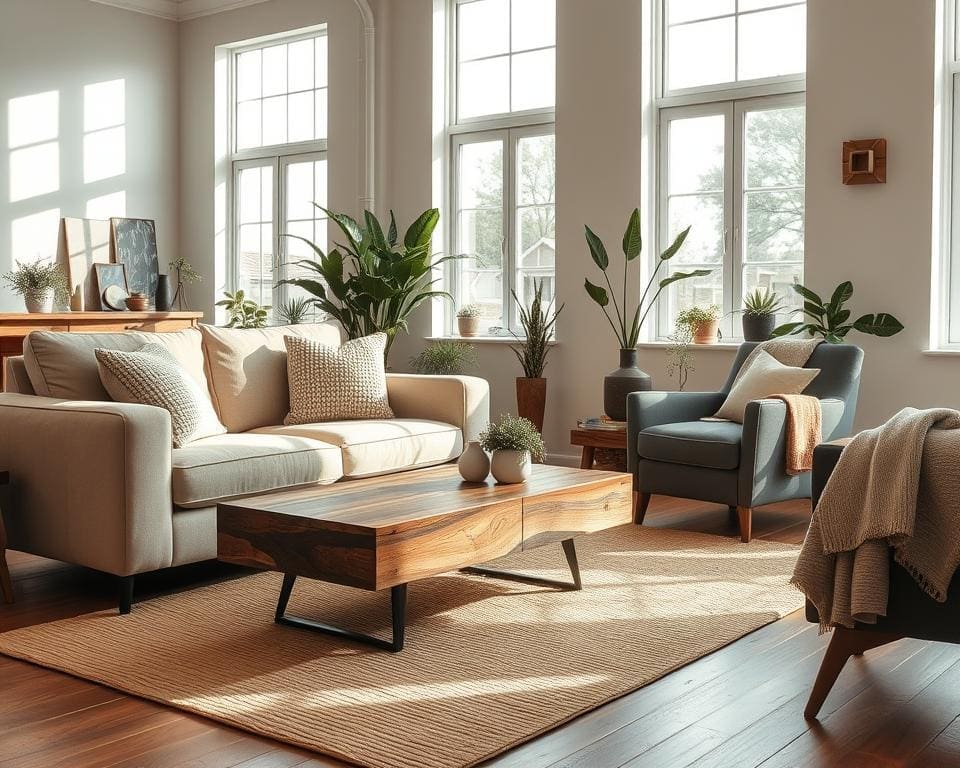
You can turn a living room into a calm retreat with smart choices in furniture and finishing touches. Start with a comfortable home furniture base, then add elements that invite you to sit and stay a while. Small changes deliver big gains in comfort and mood.
Layering with cushions, throws and soft textiles
Layering adds tactile comfort and visual warmth. Combine velvet, knit and faux-shearling in different sizes to create depth and interest. Use foam-filled cushions for support and feather fillings for softness so you get both posture and plushness.
Choose a neutral base sofa and rotate seasonal accent colours to keep the room fresh. Let contrasting textures do the talking rather than clashing patterns for a refined look. Pick washable or removable covers if your household is busy, and consider hypoallergenic fills when needed.
Choosing coffee tables and side tables for convenience
Function should guide your choices. A coffee table that sits 2–4cm from the sofa seat height is easier to use, while side tables placed within armrest reach keep lamps and drinks at hand. Think about how you live before you buy.
Material matters for both style and maintenance. Tempered glass with metal works for modern schemes and is simple to clean. Solid oak or walnut brings warmth and durability. Nested or C-shaped tables save space and add flexibility.
Choose tables with lower shelves or drawers to reduce clutter. Storing remotes, magazines and children’s toys out of sight helps maintain a calm room that suits snug home decor and relaxing furniture for home schemes.
Lighting choices that create a soothing atmosphere
Layer lighting to make the room adaptable. Combine ceiling fixtures for ambient light, reading lamps for task work and wall lights or uplighters for accent. Warm bulbs in the 2700–3000K range give a cosy glow that complements comfortable home furniture.
Install dimmer switches or use smart bulbs such as Philips Hue or Ikea TRÅDFRI to tune brightness and colour temperature to the time of day. Position floor lamps behind sofas to form reading zones and place table lamps on side tables to encourage conversation.
Choose LED bulbs for energy efficiency and lower heat output. Opt for low-glare fittings and shaded lamps to keep the light soft and soothing, matching the overall aim of cozy living room furniture and snug home decor.
Comfortable bedroom furniture to improve rest and morning routines
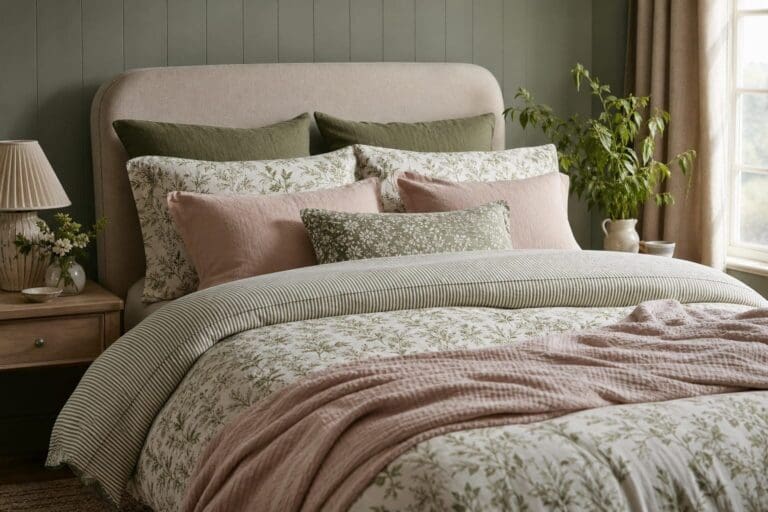
Your bedroom sets the tone for sleep and the start of each day. Choosing comfortable bedroom furniture and well‑planned home furnishing helps you wake refreshed and move through morning tasks with ease. The right pieces reduce clutter, support good posture and create a peaceful home furnishing scheme that encourages rest.
Bed frames, mattresses and bases: what to prioritise
Pick a mattress that matches how you sleep. Open coil (spring) mattresses feel bouncy and suit lighter sleepers. Pocket‑sprung mattresses provide targeted support and reduce motion transfer for couples. Memory foam moulds to your shape, easing pressure points. Latex offers resilient support and breathability.
Try mattresses in store or choose retailers with trial periods, such as John Lewis & Partners, Dreams, Sleep Well UK and Simba. Think about firmness: side sleepers typically prefer medium to soft levels. Back and stomach sleepers often need firmer support to keep the spine aligned.
Choose a base that enhances mattress performance. Divan bases with drawers add storage. Slatted bases work well with many mattress types but need the correct spacing for breathability. Adjustable beds suit people with circulation or mobility needs.
Opt for a sturdy wooden or metal frame with quality slats to prolong mattress life. A padded headboard gives comfort when you sit up to read and adds a cosy focal point to your bedroom.
Storage solutions that reduce clutter and promote calm
Use vertical space with built‑in wardrobes or fitted sliding doors to free floor area. Tallboy drawers and wardrobes help organise clothing without crowding the room.
Under‑bed storage and divan drawers work well for seasonal items. Combine these with drawer organisers, vacuum‑seal bags for spare linens and labelled baskets to keep things tidy and easy to find.
Choose multipurpose furniture such as ottomans or benches with internal storage. Select finishes that blend with your colour palette to maintain a restful look and avoid glossy surfaces that reflect light and distract the eye.
Bedside tables and reading chairs for nightly rituals
Select bedside tables with drawers to hide essentials like glasses and medications. Keep the table height near the mattress top so you can reach items comfortably. Leave enough surface space for a lamp and alarm clock.
Create a reading nook with a compact upholstered chair or small chaise. Ensure the chair offers good lumbar support and place a task lamp nearby for clear, gentle light when you read.
Integrate charging stations discreetly into bedside drawers or use cable organisers to reduce visible clutter. A calm, organised bedside area supports nightly rituals and helps you unwind before sleep.
Practical home furnishing for a peaceful, functional home
To create a peaceful home furnishing scheme, start by listing items that give the biggest daily benefit. Prioritise a quality mattress, the main sofa and ergonomic dining chairs. Allocate the rest of your budget to soft furnishings, lighting and storage so your furniture for home comfort works from day one.
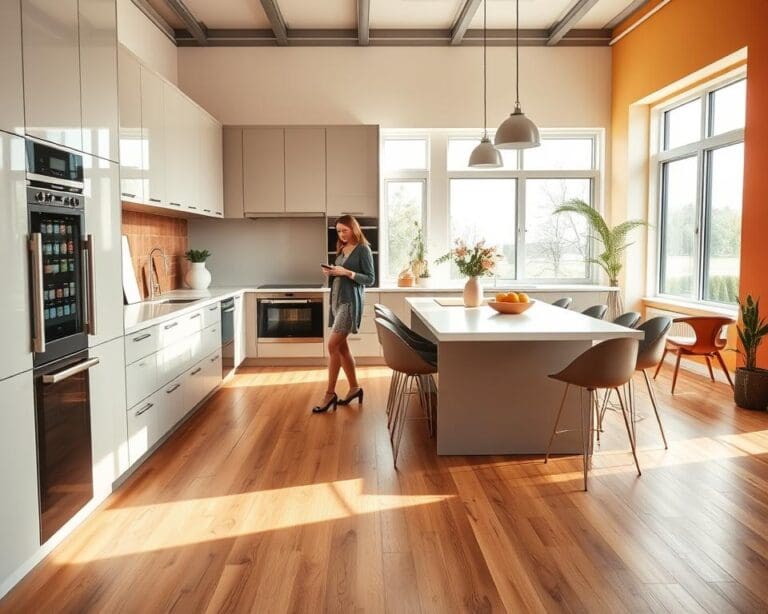
For smaller UK homes, choose multipurpose pieces such as sofa beds, extendable tables, nesting tables and storage benches. Explore space-saving ranges from Ikea, Habitat and Made.com, and use painter’s tape to mark footprints on the floor before you buy to check circulation and sightlines.
Keep furniture longer with simple upkeep: vacuum upholstery, condition leather, tighten fittings and rotate mattresses and cushions. Opt for sustainable materials like FSC-certified timber or recycled fabrics, and consider repair services or circular programmes—John Lewis offers practical advice on maintenance and repair.
Finally, zone your rooms for work, rest and socialising, and furnish each area to support the activity. Measure access routes, test ergonomics, choose durable easy-care fabrics, and add layered lighting and textiles for a relaxing furniture for home scheme that delivers comfortable home furniture and lasting wellbeing.