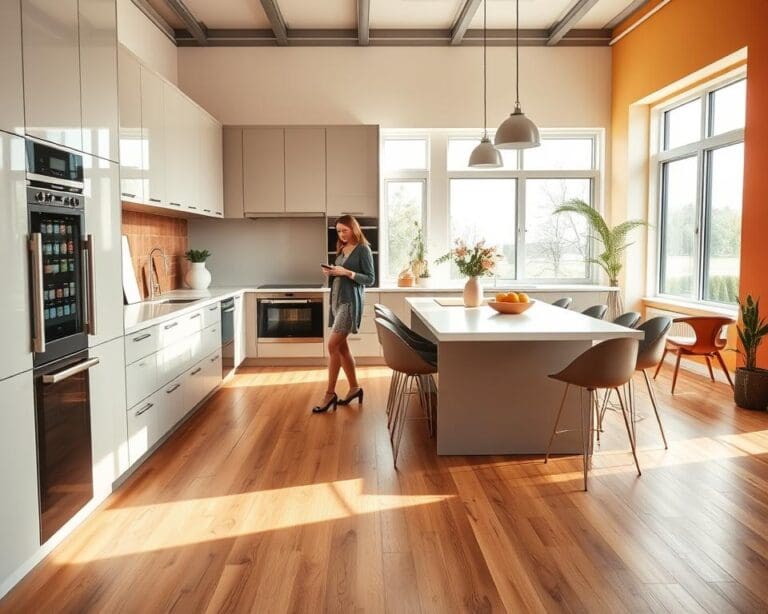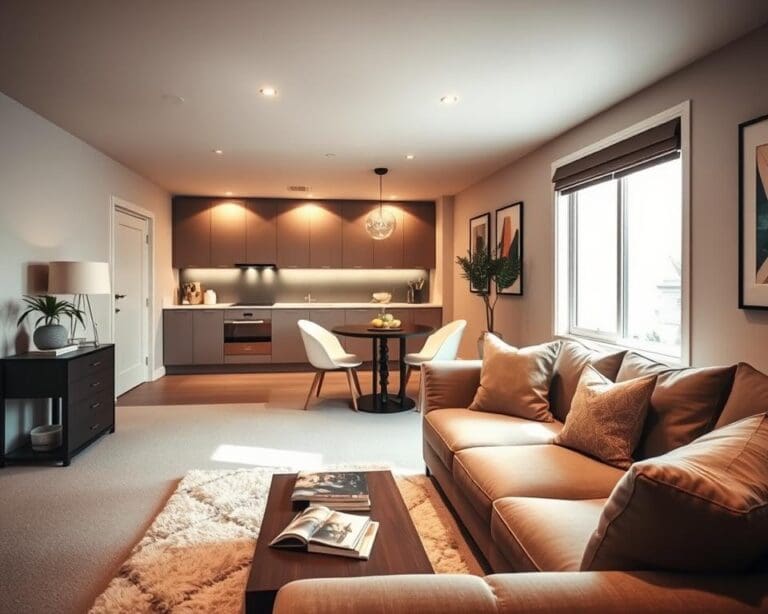
Improving your home on a tight budget is entirely possible and often more satisfying than an expensive overhaul. With simple, well-planned steps you can lift comfort, reduce clutter and refresh the look of your flat, terraced house or semi. Budget home improvement isn’t about cutting corners; it’s about choosing the right small changes that deliver the biggest difference.
In the UK many families juggle limited space and older properties that show signs of condensation or damp. That makes frugal home improvement solutions especially valuable. You can tackle cosmetic updates first, spread projects over time, and focus on fixes that improve daily living and resale appeal.
This guide follows a clear approach. First you will assess your space and set realistic goals. Next you will create a simple budget and prioritise projects. Then you will explore affordable house renovations and cheap home renovation ideas for decor, storage and lighting. Finally, you will learn practical DIY techniques and cost-effective repairs to save labour costs.
Whether you are a homeowner or a renter with landlord permission, read each section and note down likely costs and timescales. Keep expectations realistic: some structural changes need professional builders and building control approval. With careful planning, frugal home improvement solutions can transform your living space without a large outlay.
Essential budget home improvement strategies for a refreshed living space
Start with a practical survey of each room. Note poor lighting, storage shortages, worn surfaces, damp patches or drafts. Measure problem areas and take photos so you can plan accurate solutions for budget home improvement and budget-friendly home remodeling.
Set specific, measurable, achievable, relevant and time-bound goals. For example, aim to create a 2m² home office zone in the living room within four weeks for under £150. Clear targets keep you focused on cost-effective home repairs that make everyday life easier.
Prioritise function over fashion. Tackle safety, heating, damp and structural issues first. These choices reduce future costs and support economical home redesigns that last.
When you rent, check tenancy terms and get written permission from your landlord before painting or installing shelves. Choose reversible fixes like peel-and-stick wallpaper, freestanding storage and removable hooks so you can personalise without risk.
Include basic health and safety checks. Arrange servicing for boilers and gas appliances through Gas Safe registered engineers. Test sockets and check for loose wiring before attempting DIY electrical work.
Create a three-tier project list to shape your budget and timeline.
- Must-do: safety, damp control, reliable heating.
- Should-do: storage solutions, lighting upgrades, energy-efficient bulbs.
- Nice-to-have: cosmetic touches like cushions or decorative paint.
Estimate costs with local retailers such as B&Q, Wickes, Screwfix, Ikea and online marketplaces including Etsy or eBay for second‑hand finds. Compare prices and factor labour versus DIY when planning budget-friendly home remodeling.
Build a contingency of 10–20% for unexpected costs. Track receipts and quotes in a simple spreadsheet or a free app to monitor progress and keep cost-effective home repairs on schedule.
Save on replaceable items: soft furnishings, accessories, paint and temporary wallpaper are low-cost ways to refresh rooms. Spend on upgrades that increase longevity and cut bills: loft insulation, draught-proofing, LED lighting and efficient appliances with strong energy ratings.
Choose durable finishes for high-traffic areas, such as washable paint and hard-wearing laminate. For resale value, focus investment on kitchens and bathrooms by refacing cabinets, replacing worktops or fitting new handles rather than full replacements.
Use second-hand furniture from Facebook Marketplace, Gumtree or charity shops and refurbish pieces with paint or new upholstery. This approach supports economical home redesigns while keeping costs low and environmental impact down.
Affordable decor and low-cost home upgrades to transform rooms
Small changes can make a room feel new without a big budget. You can mix paint, textiles and lighting to lift tired spaces. These budget-friendly home remodeling tips focus on high impact with low spend so you get the best value for time and money.
Paint, wallpaper and inexpensive finishes that make big impact
Repainting is one of the most effective affordable house renovations. Choose mid-sheen for hallways and satin for kitchens to keep walls wipeable. Brands such as Dulux, Farrow & Ball and Crown supply reliable colours at a range of prices.
Try a single accent wall for focus or use peel-and-stick wallpaper if you rent. Removable paper can mimic silk or grasscloth for a premium look at a fraction of the cost. Stick-on splashbacks and metro-effect panels refresh kitchens and bathrooms without major building work.
Soft furnishings: cushions, rugs and curtains on a budget
Layer textiles to add warmth and colour and avoid replacing large items. Swap cushion covers from Ikea, Next or John Lewis to change a scheme quickly. Flatweave rugs define zones in open-plan rooms and hide worn flooring.
Blackout roller blinds often cost less than bespoke curtains and give practical benefits. Ready-made curtains from Dunelm or Marks & Spencer can be shortened or boxed-in for a tailored finish. Upcycling is cheap and satisfying: sew new covers or add piping using fabric from local shops and Hobbycraft.
Lighting improvements for ambience without a high cost
Swap to warm LED bulbs to shift mood and cut bills. Use dimmable LEDs where possible to control ambience. Combine ambient, task and accent lighting with table lamps, floor lamps and under-cabinet strips to create depth without rewiring.
B&Q, Argos and Habitat offer budget pendant shades and lamp bases that look stylish. Battery-powered LEDs and smart bulbs from Philips Hue or IKEA Tradfri add colour and scheduling options for a modern touch under low cost home upgrades.
Affordable storage solutions to declutter and maximise space
Start by decluttering: keep items that serve a purpose or spark joy, then sell or donate the rest through Gumtree or local charity shops. Practical units such as Ikea Kallax and Pax systems add capacity without fixing walls.
Use vertical space with wall shelves, pegboards and magnetic strips in kitchens. Choose multi-functional furniture like ottomans with storage or sofa beds to make the most of small rooms. Repurpose crates, ladders or pallets for shelving and add baskets from Dunelm or Homebase for concealed organisation that fits cheap home renovation ideas and low-cost home upgrades.
Practical DIY techniques, inexpensive DIY home projects and cost-effective repairs
Adopt a practical mindset before you start. Plan each job, assess your skill level honestly and gather the right tools: a cordless drill from DeWalt or Bosch, a tape measure, spirit level, scraper, paintbrushes and rollers, screwdrivers, hammer and a stud finder. Remember that electrical or gas work must be carried out by qualified professionals—use NICEIC electricians and Gas Safe registered engineers for anything beyond simple fittings.
Focus on small, high-impact projects that suit frugal home improvement solutions. Repainting a room or skirting boards delivers big value if you prepare well: clean surfaces, fill holes, sand and prime. Upcycle tired furniture with chalk paint or an eggshell finish and swap handles for a modern look. Fit floating shelves with the correct anchors for plasterboard or timber studs to add storage without clutter.
Tackle basic cost-effective home repairs that save money in the long run. Regrout and reseal baths and showers, replace a shower head, fix running toilets with a replacement mechanism and change tap washers. For minor plaster repairs use ready-mixed filler; for larger cracks, damp or structural concerns, call a specialist. For electrical updates, only do work you are competent to carry out and isolate circuits first; otherwise book a NICEIC-certified electrician.
Save on labour and materials by learning from reputable sources and shopping smart. Watch practical tutorials from established DIY creators, consult guides sold at Waterstones, and buy from trade counters or retailers such as Wickes, B&Q and Jewson during seasonal sales. Create a simple project sheet with scope, estimated cost, tools, time and whether professional help is needed. Start with one visible, low-cost task to build confidence and document before-and-after photos to track outcomes for future economical home redesigns.