
This article gives practical, evidence-informed tips to help you manage stress and improve your appearance and wellbeing. It draws on current dermatological and behavioural science consensus and is tailored for life in Ireland, where working patterns and changing daylight can affect sleep and stress.
Stress and appearance are closely linked. Chronic stress raises cortisol and other hormones that can increase skin oil, inflammation and slow wound healing. You may also notice hair shedding or brittle nails, poor sleep and low mood, all of which undermine your beauty and wellbeing.
Stress management beauty blends psychological techniques, lifestyle changes, targeted skincare, nutrition and posture or style habits. The guidance here aims to deliver both immediate improvements and long-term resilience so you can manage stress and look good without drastic measures.
You will find a clear roadmap of morning and evening routines, short relaxation exercises for work or commuting, ways to fold mindfulness into grooming, clinical skincare strategies, nutrition and hydration advice, suggested supplements and topical ingredients, plus posture and style tips to boost confidence.
If you have persistent or severe skin, hair or mental-health concerns, consult your GP, a registered dietitian or a dermatologist. Check for medication interactions before taking supplements and always patch-test new skincare products. Start small and add changes gradually rather than trying to overhaul everything at once.
Practical stress management beauty routines to boost your wellbeing
Small, consistent habits can lower acute stress and refresh your appearance on busy Irish days. Use quick, evidence-based steps that suit commuting, short daylight hours and a tight schedule. Aim for routines that take 2–20 minutes and focus on hydration, gentle skincare and simple breathing cues to make stress-reducing rituals part of your daily life.
Simple morning rituals to reduce stress and enhance your appearance
Wake at a steady time to help your circadian rhythm and step outside for 10–20 minutes of natural light or use a daylight lamp on darker mornings. Start with a glass of water with lemon to rehydrate and follow with a protein-rich breakfast like porridge with Greek yoghurt and seeds to steady blood sugar.
Keep morning skincare quick and effective: a low‑pH cleanser, antioxidant serum such as vitamin C and a broad-spectrum SPF 30+ to protect skin from environmental stress. For a fast boost, use a hyaluronic-acid moisturiser and a tinted moisturiser or BB cream for even tone. A cold-water splash or an ice roller helps reduce puffiness and sharpens alertness in minutes. These steps support a calm, steady morning beauty routine stress routine that fits into a commute.
Evening unwind practices for better sleep and skin recovery
Set a digital curfew 60–90 minutes before bed or enable blue‑light filters to protect sleep hormones. Double-cleanse if you wore makeup or SPF, then use a gentle chemical exfoliant 1–3 times a week as your skin tolerates it to speed cell turnover without overstripping.
Apply a night cream with niacinamide to soothe redness and strengthen the skin barrier. Introduce retinoids gradually and under dermatological advice for collagen support. Improve sleep hygiene with a consistent bedtime and a cool, dark room; blackout blinds help during long summer evenings in Ireland. These evening skincare unwind habits boost repair and keep your skin resilient.
Incorporating mindfulness into daily grooming for calmer mornings
Turn routine acts into short moments of calm. While cleansing or applying moisturiser, focus on texture, scent and the temperature on your skin for one to three minutes to quiet rumination. Pair each product step with a breath: inhale when you dispense, exhale as you apply.
Choose one product for mindful practice, perhaps a lavender-scented moisturiser, so your brain links that item with relaxation. Mindfulness grooming turns quick chores into stress-reducing rituals that anchor your day and improve your skin-care consistency.
Short relaxation exercises you can do at work or on the go
Use box breathing—count four in, four hold, four out, four hold—to lower acute tension in under a minute. Try a 60‑second grounding exercise: name five things you see, four you can touch, three you hear, two you smell and one you taste to reset focus.
Relieve neck and shoulder tightness with chin tucks, shoulder rolls and trapezius stretches to ease facial tension and posture strain. A one to two minute mini facial massage with fingertips on the jawline, cheekbones and forehead boosts circulation and reduces tightness. Keep inexpensive options nearby: a drugstore vitamin C serum, a fragrance‑free hydrator and a cooling roller for quick restorative boosts during a busy workday—simple workplace relaxation techniques that fit between meetings.
Stress management beauty
Stress affects your skin, hair and nails in clear ways. You may notice sudden hair shedding, persistent acne flare-ups, increased dryness or new eczema patches. These signs reflect how cortisol and inflammation alter barrier function and hair cycles, so spotting them early helps you act.
How stress affects skin, hair and nails — what to look for
On your skin, chronic stress raises inflammatory signals and weakens the lipid barrier. That change increases transepidermal water loss and slows healing. You might see more redness, sensitivity or acne.
For hair, acute stress can trigger telogen effluvium. Shedding tends to appear two to three months after a severe event. Long‑term stress can speed pattern hair loss in people with a genetic tendency.
Nails respond too. Stress can cause brittle, ridged or slow‑growing nails. Nail‑biting increases infection risk and can worsen appearance.
Skincare strategies to counter stress-related skin issues
Start with barrier repair. Use gentle cleansers and moisturisers rich in ceramides, cholesterol and fatty acids to rebuild lipid layers. Patch test new products before regular use.
Adopt an anti‑inflammatory routine. Niacinamide, azelaic acid and centella asiatica calm redness. For persistent flares, consult your GP or a dermatologist about topical corticosteroids or prescription care.
Target acne with measured actives. Benzoyl peroxide or salicylic acid treat inflammatory and comedonal acne. Balance these with hydrating products to avoid further barrier disruption.
Nutrition and hydration tips that support skin resilience
Your diet plays a big role in skin recovery. Aim for whole foods, oily fish for omega‑3s, nuts and seeds for vitamin E and zinc, and colourful fruit and veg for vitamin C and polyphenols.
Keep hydrated through the day. Water and hydrating foods such as cucumber and watermelon support turgor and barrier function. Consider local water hardness when choosing cleansers.
Mind glycaemic load. Reducing high‑GI sugars and refined carbs can ease inflammation and help control acne. Ensure adequate protein for repair; some people use collagen peptides, which show modest benefit for elasticity.
Supplements and topical ingredients commonly recommended for stressed skin
Oral options often suggested include omega‑3 fish oil for anti‑inflammatory support and vitamin D when levels are low. Biotin is popular for hair and nails but use it cautiously because high doses can skew lab tests.
Collagen peptides and zinc have roles in wound healing and structure, yet you should discuss doses with your GP. These supplements for skin can complement diet, not replace it.
Topical active ingredients stressed skin responds well to include vitamin C for antioxidant protection, hyaluronic acid for hydration and retinoids for cell turnover. Introduce acids and retinoids slowly, use sun protection and seek professional advice if pregnant, breastfeeding or taking medication.
Combining stress reduction with barrier repair, targeted actives and sensible nutrition tends to bring the best results. Visible improvement in barrier function can appear within a few weeks, while hair recovery may take several months, so set realistic expectations and monitor changes.
Style, posture and self-care habits that help you look your best
Small changes in posture and appearance can amplify the cosmetic gains of stress management. Stand with a gently tucked chin and engaged core to reduce neck and shoulder tension, ease headaches and present a more confident silhouette. Use short cues, posture-cueing apps or a gentle scapular squeeze three times a day to reinforce better alignment without disrupting your routine.
Your wardrobe and grooming for wellbeing matter as much as your skincare. Choose colours that suit your complexion — warm tones for golden or olive skin, cool tones for pinker undertones — and favour well-fitting garments in breathable fabrics like cotton or linen to lower irritation. Regular trims, simple hair styling and tidy eyebrows frame your face and make you look more rested; keep nails trimmed and moisturised for a neat, healthy finish.
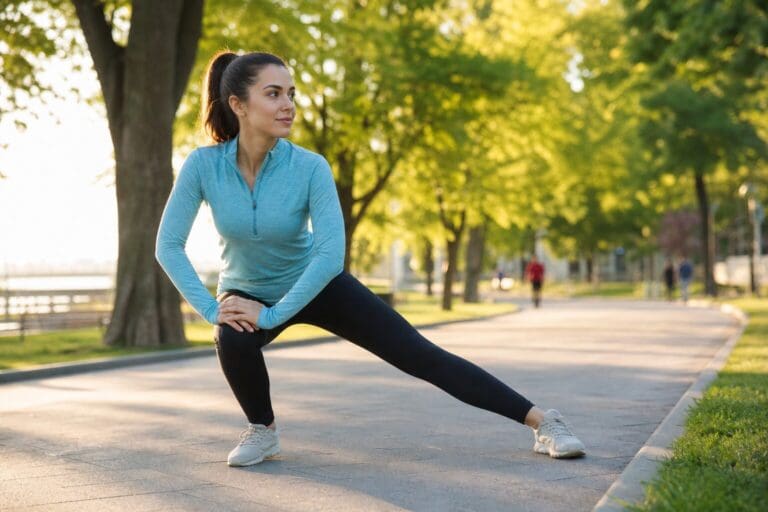
Adopt self-care habits beauty routines that extend beyond products. Aim for 150 minutes of moderate activity each week — walking, yoga or strength classes — to lower stress hormones, boost circulation and give skin a natural glow. Prioritise sleep for skin repair and hormone balance, and weave hobbies or time outdoors into your week to support mental wellbeing and reduce chronic stress.
When problems persist, seek professional support from a GP, dermatologist or trichologist and check practitioner credentials through HSE or local Irish clinics. Put the pieces together with a simple daily checklist: posture cues, a three-minute mindful grooming, hydration, a balanced meal, ten minutes of movement and a 30–60 minute evening wind-down. Expect mood and appearance gains within days, with skin and hair improvements over weeks; incremental, consistent change beats perfection and offers the most reliable non-surgical beauty tips for lasting results.