
Small habit changes make a real difference to how you feel day to day. You do not need extreme diets or intense workouts to improve health habits. Instead, steady daily health routines build momentum and compound into lasting results.
Public health bodies such as the World Health Organization, NHS and the Health Service Executive outline clear evidence that modest shifts in diet, activity and sleep reduce chronic disease risk. These organisations also show that simple health habits boost mood and energy.
Behaviour science explains why: habit stacking — attaching a new action to something you already do — and the cue‑routine‑reward loop help new routines stick. Use these ideas to design achievable micro‑goals that fit your life in Ireland.
Think about your typical day: commuting, work hours and seasonal daylight changes affect what you can do. Many small habit changes cost little, suit varied fitness levels and adapt to urban or rural households. Sport Ireland and local GP services offer practical support if you need it.
Expect quick wins and longer gains. You may notice better sleep and steadier energy within days, while improvements in blood pressure or cardiorespiratory fitness appear over months. Track progress with a simple notebook or a phone app and consult a GP or registered dietitian when needed.
Practical daily routines to improve health habits
Small, consistent changes in daily health routines add up. Focus on movement, hydration, mindful breathing, nutrition and sleep preparation. Pick actions you can do each day and stack new steps onto habits you already have.
Morning rituals to start your day well
Begin with gentle stretching to wake the body. A five to ten minute sequence of neck rolls, shoulder circles, cat–cow, hip openers and ankle mobility eases stiffness and boosts circulation.
Place stretches after getting out of bed or after your first glass of water to use habit stacking. Use NHS or Sport Ireland videos for adaptations if you have an injury.
Add a hydration strategy on waking. Aim for a glass of water and carry a refillable bottle such as a Hydro Flask or CamelBak. Sip regularly and increase fluids around exercise. Tea and coffee count toward intake but check with your clinician if you have renal or heart issues.
Finish with two to five minutes of mindful breathing. Try box breathing or 4–4–4 breathing to lower stress and sharpen focus. Apps like Headspace or Calm and HSE mindfulness guidance can help you learn the techniques.
Small nutrition swaps that make a big difference
Make simple substitutions to raise nutrient intake without drastic change. Add berries to porridge or a side salad at lunch. Bulk soups with lentils and extra veg to stretch meals and boost fibre.
Use affordable Irish produce in season: root vegetables, cabbage, apples and local berries from farmers’ markets. Frozen vegetables give convenience and reduce waste.
Choose snacks that combine protein and fibre for steady energy. Try Greek yoghurt with fruit, hummus with veg sticks, nuts plus a piece of fruit, or wholegrain crackers with cheese. Watch portion sizes for calorie-dense items like nuts.
Reduce processed foods gradually. Swap white bread or sugary cereals for wholegrains, replace ready meals with batch-cooked options and roast veg on Sundays for quick midweek meals.
Evening habits for better sleep and recovery
Create a calm pre-sleep routine to support recovery. Dim lights an hour before bed and set a device curfew of 30–60 minutes. Use night mode if you must use screens later.
Choose relaxing activities such as reading, a warm shower, gentle stretching or light journaling. A simple prompt set helps: three things that went well, one thing to improve tomorrow, one worry to set aside.
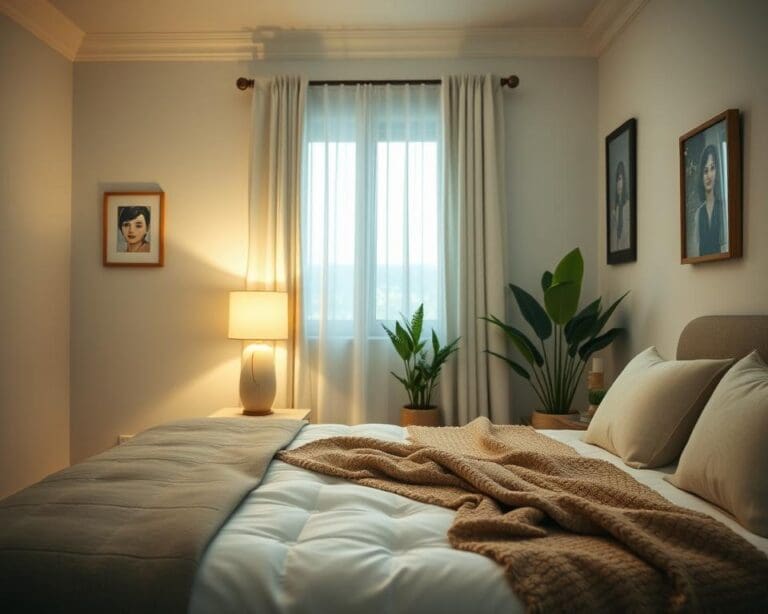
Design a sleep-friendly bedroom. Aim for a cool temperature around 16–19°C, blackout curtains and minimal bedroom clutter. Earplugs or a white-noise machine help in noisy locations.
Pair an existing habit like brushing your teeth with two minutes of mindful breathing to make a bedtime routine stick. Track small wins and adjust your plan with the seasons when daylight and schedules change.
Movement and activity strategies for lasting wellbeing
Regular movement supports heart health, stronger muscles, clearer thinking and better metabolism. Treat activity as part of daily life rather than a separate chore. Small, consistent choices add up and make it easier to build exercise habit that lasts.
Integrating short bouts of activity into a busy day
Replace some sit-down meetings with walking meetings when safe and suitable. Use pavements, clear routes and high-visibility clothing in low light. For commuting, try walking or cycling, parking a little further away or leaving the bus one stop early to add steps.
Check local Irish options such as Dublin Bikes, council cycling schemes and nearby greenways. Those networks make active commuting easier and more pleasant.
Desk exercises stop stiffness and raise energy. Stand and stretch every 30–60 minutes. Do seated marches, shoulder rolls and thoracic rotations. Walk for water or post a note to a colleague to break long sitting spells.
Household chores can count as activity. Brisk vacuuming, gardening, carrying shopping in two trips and stair climbing raise heart rate. Set a 10–20 minute timer and focus on chores to earn movement bursts without feeling like formal training.
Building a sustainable exercise habit
Pick activities you enjoy to boost adherence. Dance, swimming, Gaelic games, walking groups and classes at local leisure centres often suit varied tastes. Try taster sessions at community or GAA centres to find what fits.
Use gradual progression and clear process goals. Increase load or duration by about 10% a week and include rest days. Aim for number of sessions per week rather than only outcomes like weight change.
Mix strength, cardio and mobility for balance. A simple weekly template could be two strength sessions, two to three moderate cardio sessions of roughly 30 minutes, plus daily mobility work. This strength and cardio balance protects joints and builds fitness.
Begin with basic home strength moves: squats, lunges, push-ups and rows using resistance bands or filled grocery bags. Start with two sets of 8–12 reps and progress slowly. Use short 10–15 minute circuits—step-ups, stair intervals or brisk walks—when time is tight.
Use technology and social support to sustain progress. Timers, wearable step goals and calendar reminders help you stay consistent. Exercise with a friend, join a class or consult a trainer or physiotherapist for technique. Reward yourself with non-food treats and accept shorter sessions when life is busy.
Mental wellbeing practices to support physical health
Good mental wellbeing practices strengthen your body as well as your mind. Chronic stress can raise inflammation, disturb sleep and sap motivation. Small daily habits make it easier to stick with exercise, sleep and nutrition goals.
Stress management techniques you can use daily
Try simple breathing and relaxation routines when you feel tense. A 4–4–4 breathing cycle or a five‑minute guided mindfulness break can lower heart rate and sharpen focus. Progressive muscle relaxation works well before bed to ease physical tension.
Use calendar blocking and clear work hours so you protect downtime. Create start and stop signals for working from home, such as changing clothes or a short walk at the end of the day. Short outdoor breaks of five to ten minutes boost mood and attention.
Social connection and community for better health
Regular social contact reduces loneliness and builds resilience. Schedule catch‑ups, join a GAA club, attend parkrun or try a community dance class to mix socialising with movement. Volunteer with Volunteer Ireland or help at local events to find purpose and new friends.
Local green spaces such as city parks, promenades and the Wicklow Mountains make ideal settings for mindful walks and group activities. Parks and coastline walks often lift mood more quickly than indoor breaks.
Tracking mood and habits to notice patterns
Keep a short journal to spot triggers. Ask: what made you feel good today? what drained your energy? Rate sleep, stress and energy each morning and evening to link behaviour with mood.
Use habit tracking tools like Google Calendar, Apple Reminders, Strava or Daylio to build consistency. Balance tech with occasional digital‑free days to avoid over‑reliance on apps.
If low mood, persistent anxiety, poor sleep or thoughts of harming yourself continue, seek help. Contact your GP for assessment, ask about counselling or community mental health teams and check HSE mental health resources for local services. In an emergency call 999 or 112 and contact Samaritans or Pieta House for crisis support when to seek support Ireland.
Practical tips for long-term success and habit maintenance
To keep long-term health habits, start small and steady. Break big goals into weekly chunks — for example, aim to walk three times a week or cut one sugary drink each week. Use if‑then plans (if it is Tuesday morning, then I walk for 20 minutes) and set a monthly check‑in to reassess what is working for you.
Design your home to make healthy choices easy. Put fruit in a visible bowl, keep a water bottle on your desk and store resistance bands by the TV for quick sessions. In the kitchen, use simple kitchen organisation: place healthy staples at eye level, batch‑cook and freeze portions, pre‑portion snacks and keep a rotating shopping list to save time and stress.
Build a reward system that reinforces progress without relying on food. Treat yourself to new workout kit, a social outing, time for a hobby, or donate to a charity after a milestone. Mix variable habit rewards — sometimes small, sometimes larger — to keep motivation high and avoid routine boredom.
Plan for busy periods with a scaled‑down routine: maintain five to ten minutes of movement, a glass of water at regular times and a basic serving of veg. Involve family or housemates with shared meal planning, group walks or screen‑free evenings to create mutual support. Track sleep quality, energy and mood alongside movement so you can celebrate non‑scale wins, spot plateaus and adjust with self‑compassion. For seasonal change, adapt activities and meals, set quarterly reviews and seek advice from your GP, a registered dietitian or physiotherapist when needed to sustain healthy, sustainable habits Ireland can rely on.