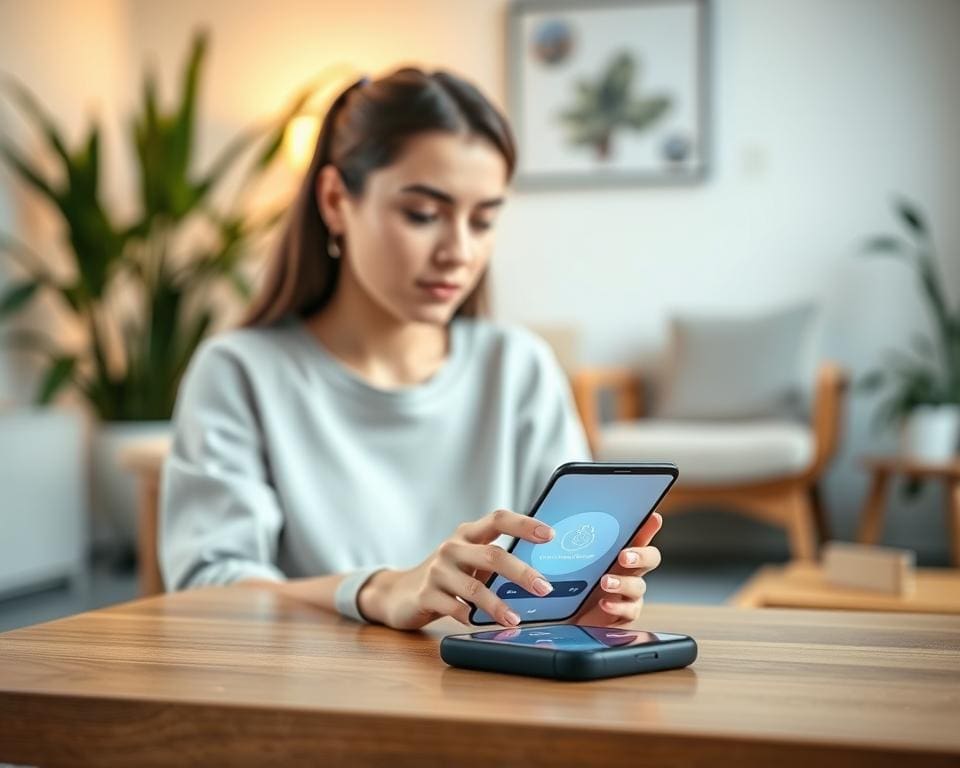
A free nervous system regulation app guides you through simple, practical techniques to help manage stress and restore a sense of balance. In plain terms, these apps offer breathwork, grounding techniques, short mindfulness practices and behavioural prompts that support calmer responses to stress and help you regain control in challenging moments.
So, what is a free nervous system regulation app? It is a mobile tool you can use on iOS or Android to manage everyday stress, support burnout or aid neurodivergent needs like ADHD. Many options are available at no cost, and some are developed by UK or Irish providers to reflect local routines and working patterns.
One example relevant for users in Ireland is the Low Tide Calm app. The free nervous system regulation app by Low Tide Calm offers tailored sessions for common triggers, short routines for shift workers and features that consider different sensory needs. Low Tide Calm app places emphasis on accessibility and practical tools you can use in a crowded workplace, on public transport, or at home.
These apps typically work offline so you can use them while travelling, during night shifts, or when data is limited. While “free” versions may offer optional paid upgrades, core regulation tools—guided breathing, grounding prompts, brief mindfulness exercises, mood tracking and private journalling—are often provided without charge.
At a glance, you gain immediate stress reduction from guided breathwork, quick grounding prompts to refocus attention, short mindfulness routines for burnout and ADHD support, and simple mood tracking to spot patterns over time. Many apps also respect privacy by offering a no‑login experience and local journals that store entries only on your device.
The sections below explain which core features to expect, how a typical user journey works, key safety considerations and where to find Low Tide Calm and similar resources.
What a free nervous system regulation app offers in Ireland
Apps designed for nervous system regulation tools for daily use include practical features that help you manage stress, focus and energy. You will find short sessions, simple trackers and privacy options that fit commutes, shift work and quick breaks.
Overview of core features
You should expect brief breathwork sessions with varied rhythms, grounding mini‑exercises such as the 5‑4‑3‑2‑1 sensory prompt, mood and energy check‑ins, personalised session length and reminder scheduling. Progress visualisations are usually simple and easy to read.
- Short breathwork sessions (box breathing, 4‑7‑8, resonance breathing)
- Grounding prompts and body scans
- Mood and energy tracking with lightweight charts
- Reminder scheduling and session customisation
- Dopamine menu: short, engaging activities for quick reinforcement
Guided breathing exercises and grounding tools
Guided breathing exercises and grounding tools include box breathing, 4-7-8 and resonance-style breathing at a steady pace. These techniques are commonly used to support relaxation and help reduce feelings of stress. You will also see paced exhalation techniques that can help you feel calmer and more settled.
Grounding features range from sensory checklists and body scans to progressive muscle relaxation and micro movement breaks. Audio guidance, calming animations and haptic feedback lead you through sessions so you do not need prior experience.
Mindfulness app elements for burnout and ADHD support
A mindfulness app for burnout and ADHD often tailors content to fluctuating attention and energy. Practices include compassionate check‑ins and micro‑break meditations for burnout and micro‑tasks, stimulus control and short focus sprints for ADHD.
Content comes in varied formats: audio, short text, timers and ambient soundscapes. Session lengths span 30 seconds to 20 minutes so you can choose something that fits a commute, a coffee break or a night shift pause.
Offline nervous system regulation app capabilities and data use
Many apps offer offline nervous system regulation app in Ireland functions so core breathwork, grounding scripts and locally stored audio/visual assets work without internet. Syncing and advanced analytics wait until you reconnect.
Reputable apps minimise personal data collection and keep mood entries local or encrypted. You should check privacy policies and app permissions for microphone or health data before you start using a tool.
Private journal and no login app experience
A private journal and no login app experience gives you secure in‑app entries that stay on your device or encrypted. Export options exist if you want to share notes with a clinician.
No‑login access reduces barriers and improves immediacy, though anonymous use may lose cross‑device syncing. This trade‑off can suit users in Ireland who prioritise speed and privacy over multi‑device backups.
How the app works: user journey and daily use
Start with a short tour that explains the app’s purpose and shows a recommended breathing session. The onboarding and first-time set-up in Ireland usually asks a few optional questions about sleep, stress and attention, then requests permission for notifications and local storage. Region settings often default to Ireland, so time zones and support links match your location. You can add a home‑screen shortcut or widget for immediate access during commutes or busy shifts.
Onboarding and first-time set-up
The initial flow is brief. You get a clear purpose statement, a one‑page privacy note and an initial recommended session. An optional short assessment helps the app tailor suggestions. Permissions let the app send reminders and save data locally so your private journal stays on device.
Mood and energy check-in tracking
Check-ins take seconds. You tap simple scales for mood, energy and stress, then add quick tags such as work, sleep, caffeine or shift. Doing this morning, midday and evening builds useful data without overburdening you.
Weekly charts aggregate entries to show trends and triggers. You might spot low energy after late shifts or caffeine spikes before anxiety. Use those insights to pick targeted breathing or grounding tools when you need them most.
Dopamine menu for ADHD and focus support
The dopamine menu for ADHD and focus support lists micro‑activities that boost motivation. Examples include short movement breaks, novelty sounds and 2–5 minute focus sprints with small rewards. Pick an item before a demanding task to prime motivation.
Pair the menu with a Pomodoro timer or use items as quick resets when attention drifts. This feature complements clinical treatments and behavioural strategies rather than replacing them.
Personalising sessions: length, intensity and reminders
You can set session duration from 30 seconds to 20 minutes, choose breathing rates, pick visual themes and select voice or silent haptic cues. Gentle reminders for check‑ins or daily practice keep you consistent without nagging.
The app adapts over time. It may suggest shorter or longer sessions based on your engagement and reported outcomes. Balance frequency and length to avoid practice fatigue; short, steady routines usually deliver the best real‑world benefit when using a breathwork app for stress and anxiety.
Evidence, safety and practical benefits for users in Ireland
You will find a growing evidence base that supports digital breath practices for everyday stress. Research suggests that paced breathing and similar techniques are commonly used to support relaxation and reduce feelings of stress. This research forms the clinical basis for breathwork app use aimed at stress relief and anxiety reduction when programmes follow evidence‑based protocols.
Clinical basis for breathwork app for stress and anxiety
Research in psychophysiology links breath regulation to autonomic balance. Short, guided sessions can support calmer breathing patterns and help you manage moments of heightened stress. The use of breathwork apps is based on these commonly applied techniques, especially when used regularly and in a structured way.
Apps vary in quality. You should check whether an app cites peer‑reviewed protocols or partnerships with clinicians. People with serious heart or lung conditions, or a history of panic, should seek medical advice before attempting intensive breathwork.
How nervous system regulation tools for daily use in Ireland can reduce stress
Brief interventions interrupt stress cycles by encouraging slower breathing and longer exhales. These small physiological shifts can lower perceived stress and help you recover faster from tense moments.
Practical examples include a two‑minute grounding exercise before a meeting, a five‑minute breath session after a night shift, or a micro‑mindfulness practice during a commute. Used consistently, nervous system regulation tools for daily use can support better sleep and help reduce cumulative stress.
Remember that apps are an aid, not a cure. Severe or persistent mental health issues should be managed with professional support in addition to self‑help tools.
Privacy, accessibility and offline use considerations
Check an app’s privacy policy before you sign up. Look for clear statements on data retention, sharing practices and whether journal entries are stored locally. Apps that use end‑to‑end encryption or allow private, no‑login modes offer stronger protection.
Accessibility matters. Seek apps with adjustable fonts, high‑contrast modes, audio guidance and short session options to suit neurodiverse users and those with sensory needs. These features support wider adoption across Ireland.
Reliable offline functioning is an advantage for commuters, rural users and shift workers. Privacy accessibility offline use considerations should guide your choice if you need sessions without a constant internet connection.
Who benefits most: ADHD, burnout, general stress and shift workers
Short, stimulating practices and a structured dopamine menu can help people with ADHD start tasks and sustain attention. Mood tracking in the app can reveal patterns linked to medication or daily routines.
For burnout, compassion‑focused micro‑mindfulness and paced breathing offer tools to reduce exhaustion and aid recovery when used alongside changes to workload and boundaries.
Shift workers gain from brief, flexible sessions that fit irregular schedules. Targeted exercises can reduce pre‑sleep arousal and support circadian adjustment after night shifts. Who benefits most—whether people with ADHD, burnout or shift workers—varies by individual; combining app use with workplace and clinical measures usually yields the best results.
Finding and using Low Tide Calm and similar local resources
You can start at lowtidecalm.ie to read about the Low Tide Calm app, see the feature list and find download links if available for iOS and Android. The free nervous system regulation app by Low Tide Calm highlights guided breathwork, short sessions and private journalling that suit busy days and shift patterns.
Search app stores with phrases like “nervous system regulation”, “breathwork app for stress and anxiety”, “mindfulness app for burnout and ADHD” or “offline nervous system regulation app in Ireland” to locate local options and reviews. Compare apps on ease of use, offline functionality, a clear privacy policy, evidence‑based breathing protocols, and ADHD‑friendly tools such as a dopamine menu and short, repeatable sessions.
Try several free apps for a week each to see which fits your routine. Download the app, give only the permissions required, complete the onboarding, set one daily reminder and begin with a 2–5 minute practice. Use mood and energy check‑ins to track changes and note how quickly the tool reduces acute stress.
Combine app use with local supports: discuss integration with your GP or a mental health professional and consult Irish charities like Pieta House or Samaritans for guidance and crisis help. Prioritise privacy by choosing no‑login options or local storage, and use offline features when travelling or working nights. Low Tide Calm app and similar tools work best as low‑cost, first‑line aids to manage stress, support ADHD and reduce burnout when used consistently and alongside professional advice if needed.
Where can you find a free nervous system regulation app in Ireland?
If you are based in Ireland and looking for a simple, practical way to manage stress or improve focus, starting with a free nervous system regulation app can be a useful first step. The key is to choose a tool that fits naturally into your daily routine and feels easy to use in real moments of pressure or overwhelm.
Apps like Low Tide Calm offer a clear example of how these tools can be applied in everyday life. With features such as short guided practices, offline access and a privacy-first approach, it provides flexible support across different situations, whether you are commuting, working or at home.
To explore how this works in practice, you can visit lowtidecalm.ie and review the available features, privacy approach and setup options. Used consistently and alongside professional support where needed, a free nervous system regulation app can become a simple and sustainable part of your wellbeing routine in Ireland.