If you want to reduce stress lifestyle, start by seeing stress as a signal rather than a failure. You will learn how to reduce stress by making small, practical choices in daily routines, diet, movement, sleep and social supports. This article offers clear stress management tips drawn from evidence used by the NHS and HSE, and from common-sense strategies you can use at home or work in Ireland.
Reducing stress matters because it lowers the risk of cardiovascular disease, Type 2 diabetes, depression and anxiety. It can also boost immune function, sharpen concentration, and improve sleep quality. Those changes make life more enjoyable and help you stay productive at work and at home.
The purpose here is simple. First, you will understand what stress does to your body. Then you will get practical steps for daily life: mindfulness and breathing, movement, sleep hygiene, nutrition and changes to your environment. Finally, the article points to support options and professional care available in Ireland, from HSE services to GPs and local community initiatives.
Expect gradual, personalised change rather than quick fixes. Many suggestions are easy to try and fit around busy schedules, commuting patterns and cost-of-living concerns that affect people across Ireland. Use these stress reduction Ireland ideas as a toolkit: pick what suits you, adapt it, and build resilience over time.
Understanding stress and its impact on your health
Before the h3 headings, take a moment to see stress as a normal reaction that helps you cope with demand. Knowing what is stress and how it plays out in the body gives you a clearer path to change. This short introduction sets the scene for the practical points that follow.
What stress is and how it affects the body
Stress is your body and mind’s response to perceived threats or demands. The sympathetic nervous system and the hypothalamic–pituitary–adrenal axis activate, releasing adrenaline and cortisol. You may notice a faster heart rate, higher blood pressure and digestion slowing as blood is redirected to muscles.
These shifts prepare you for action in the short term. You might feel more alert and have energy mobilised quickly. The same chemistry can make you irritable, anxious or unable to concentrate when it lingers.
Health organisations such as the HSE and NHS advise recognising these signs early and using simple steps to reduce harm. Understanding stress physiology helps you spot patterns and act before symptoms escalate.
Short-term versus long-term stress and health consequences
Short-term stress produces transient symptoms like sleepless nights, headaches, indigestion and brief memory lapses. These effects often ease once the cause passes and your body returns to balance.
Chronic stress health risks arise when stress responses stay active for too long. Prolonged cortisol elevation and constant sympathetic drive raise the chance of hypertension and cardiovascular disease. Metabolic problems, immune suppression, depression and anxiety disorders are linked to ongoing stress.
Long-term stress can also change your sleep. Less restorative slow-wave and REM sleep makes daytime tiredness worse and feeds the stress cycle. Poor sleep often leads people to cope with comfort eating, smoking or excess alcohol, which compounds physical risk.
Common stress triggers in everyday life in Ireland
Work pressure and long hours top the list for many people. Job insecurity and intense workloads are frequent stress triggers Ireland workers report, especially in urban centres like Dublin and Cork.
Commuting stress from traffic and crowded public transport adds strain. Housing and mortgage or rent worries have grown with cost-of-living changes. Caring for children or elderly relatives creates ongoing responsibility that increases daily pressure.
Rural isolation and fewer local services can heighten stress for people outside big towns. Seasonal mood shifts during darker winter months may worsen low mood and anxiety. Life events such as bereavement, relationship breakdowns and major health concerns are powerful stressors.
Social stigma around mental health has delayed help-seeking in the past, yet public campaigns and services in Ireland are improving awareness. Spotting your personal triggers and understanding the effects of stress on body and mind helps you plan realistic steps to protect your health.
Practical strategies to reduce stress lifestyle
Start by choosing a few manageable stress reduction strategies you can keep up each day. Small, steady changes to your routine will stabilise mood and energy. The guidance below helps you build daily stress relief routines that suit work, home and the Irish calendar.
Daily routines that lower stress levels
Wake and sleep at consistent times to help regulate cortisol. Begin mornings with 5–10 minutes of gentle movement or stretching and finish evenings with a simple wind-down ritual, such as reading or light breathing.
Use basic time management tools: list priorities, schedule short breaks, set realistic goals and learn to say no when your plate is full. Take micro-breaks every 60–90 minutes to stand, hydrate and reset your attention.
Keep brief social contact each day. A five-minute check-in with a friend, colleague or family member strengthens social support and lowers perceived strain.
Mindfulness, breathing exercises and relaxation techniques
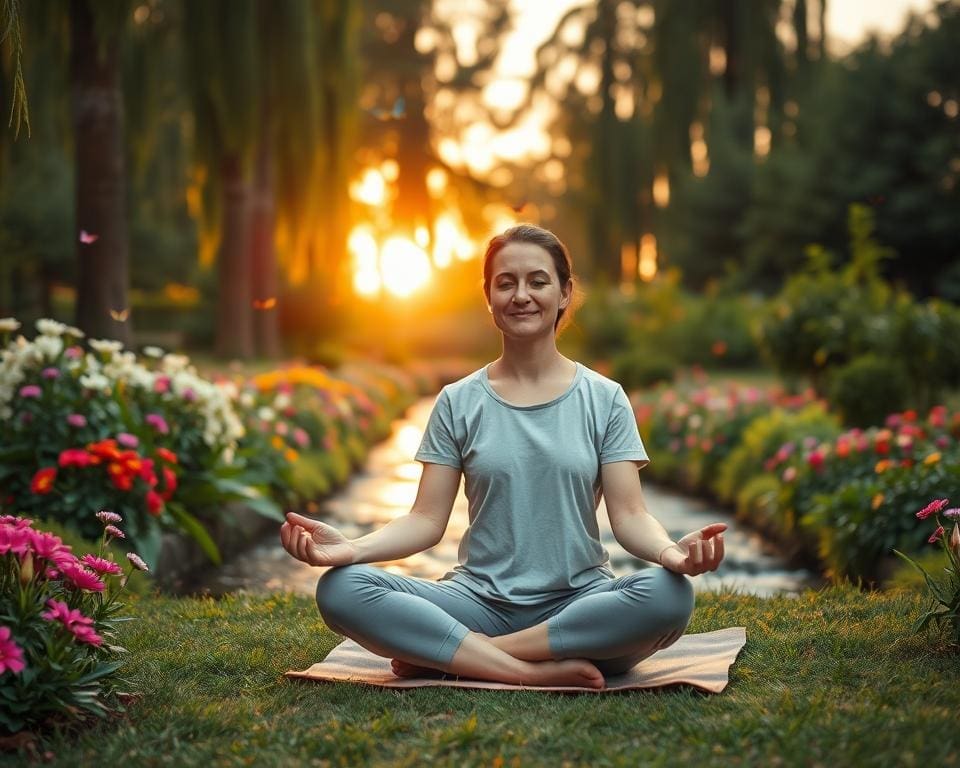
Start with short sessions of mindfulness for stress relief. Try 5–10 minutes of box breathing or 4-4-8 breathing to interrupt acute tension and slow your heart rate.
Use progressive muscle relaxation or a body scan before bed to reduce physical tension. Practice mindful awareness during routine tasks such as eating or walking to build calm without extra time.
Explore Headspace, Calm or Insight Timer and HSE mental health resources for guided programmes. Many GP practices and community centres in Ireland signpost local courses and workplace mindfulness options.
Physical activity and movement to manage stress
Aim for at least 150 minutes of moderate activity per week, split into sessions that fit your day. Brisk walking, cycling and swimming lift mood through endorphins and improve sleep.
Try short bursts of movement if you are busy: 10–15 minutes of brisk walking or resistance work breaks up sedentary time and eases worry. Join local GAA clubs, go hill-walking or use leisure-centre classes to combine social contact with exercise to reduce stress.
Spending time outdoors in parks or green spaces reduces rumination and lowers cortisol. Even brief exposure to nature during a lunch walk helps your mood and focus.
Sleep hygiene for better stress resilience
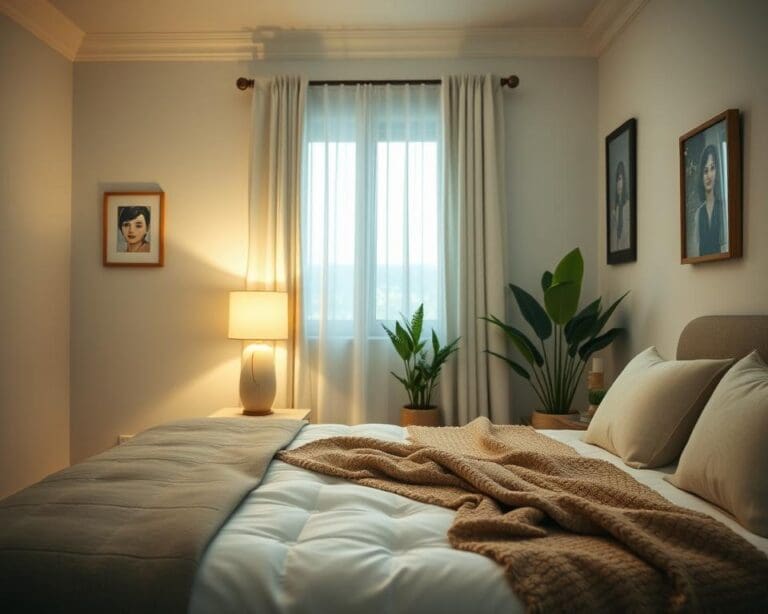
Keep a steady sleep-wake schedule and avoid screens for 60 minutes before bedtime. Make your bedroom cool, dark and quiet and avoid heavy late meals.
Limit caffeine after mid-afternoon if you notice it affects you. Use a worry notebook to offload concerns before bed and apply breathing or relaxation techniques if you struggle to fall asleep.
If sleep problems persist, speak to your GP about assessment or local sleep services. The HSE and private clinics can advise on insomnia or suspected sleep apnoea.
Nutrition, habits and environment for a calmer life
Good nutrition and small changes to your habits and surroundings can ease tension and help you cope better day to day. Use steady routines and thoughtful food choices to support resilience. Below are practical ways to weave nutrition for stress relief, habit shifts and environmental fixes into your life in Ireland.
Foods and drinks that support stress reduction
Choose complex carbohydrates like porridge oats, wholemeal soda bread and brown rice to keep blood sugar steady. Combine these with lean proteins and omega-3 rich oily fish such as salmon or mackerel to support neurotransmitter balance and mood.
Include fibre, B vitamins, vitamin D, magnesium and zinc through legumes, seeds, nuts and leafy greens. Probiotic foods such as natural yoghurt, kefir or sauerkraut pair well with whole grains to support the gut–brain axis.
Practical Irish meal ideas are simple: porridge with seeds and fruit for breakfast, wholemeal soda with smoked salmon for a filling lunch, vegetable and bean stir-fries or hearty lentil soups for dinner. Snack on fruit, nuts or plain yoghurt to avoid blood sugar dips that heighten anxiety.
Limiting stimulants and alcohol to improve wellbeing
Caffeine and nicotine can increase palpitations, disrupt sleep and magnify anxious feelings. If you wish to reduce caffeine, step down gradually and try decaffeinated tea or herbal alternatives such as chamomile or rooibos.
Alcohol can seem to relieve stress at first but it is a depressant that worsens sleep and prolongs anxiety. Follow UK Chief Medical Officers’ guidance when you can and seek HSE Alcohol support if you are worried about patterns of use. Speak to your GP about dependence or severe withdrawal; local addiction services and community supports can help.
Creating a calming home and work environment
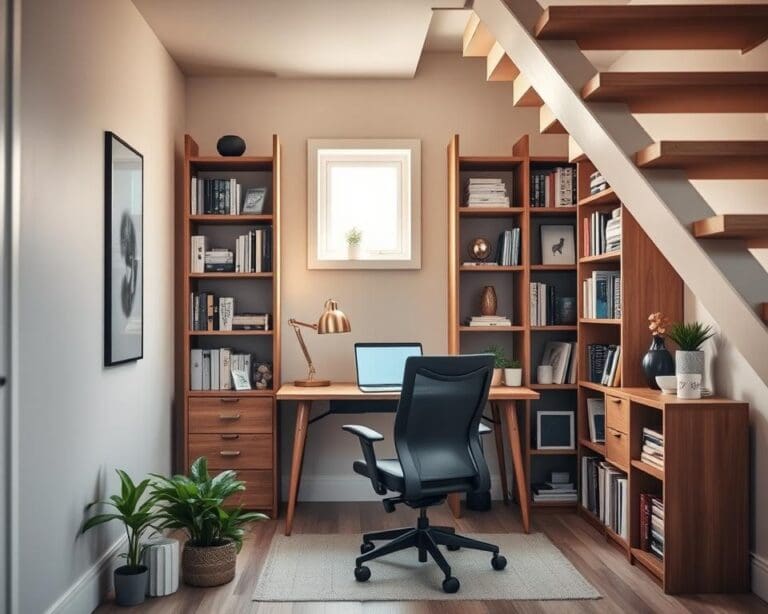
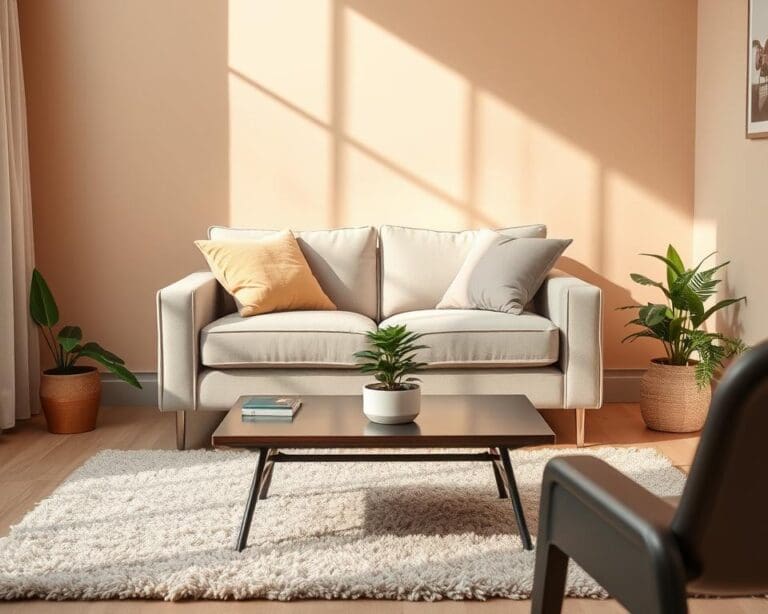
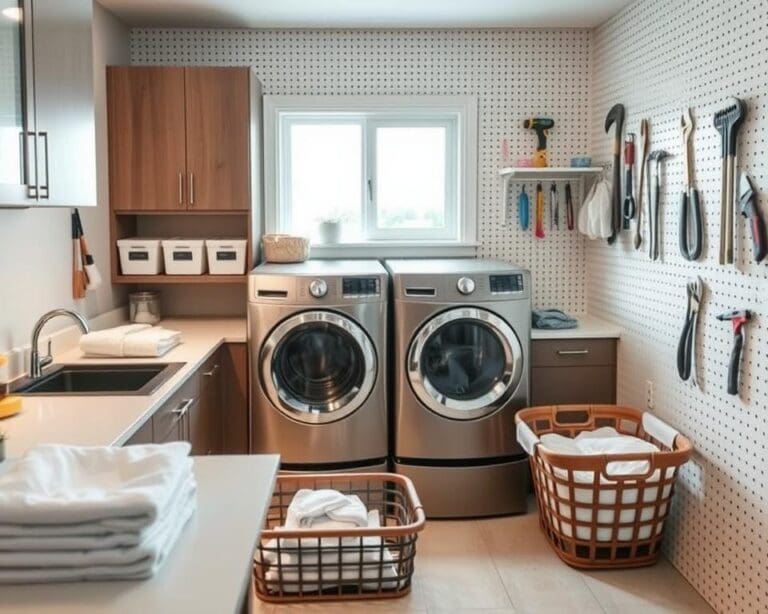
Declutter and organise to lower cognitive load. Keep a dedicated workspace if you work at home so you can separate work and rest. Soft lighting, indoor plants and muted colours reduce stress cues.
Improve ergonomics: adjust your chair, desk height and screen position and take short movement breaks to relieve physical tension. Use phone settings to limit notifications, schedule specific times to check email and set a clear boundary for work communications.
Look into local resources such as community workshops and grants in Ireland for home energy efficiency. Reducing heating and housing costs can ease financial strain and contribute to a calm home environment and stronger workplace wellbeing Ireland.
Support systems, professional help and maintaining progress
You are more resilient when you use support around you. Family, friends, colleagues and community groups such as GAA clubs or local hobby groups offer emotional and practical help that reduces isolation. If you have limited time, online communities and tele-support options make stress support Ireland accessible from anywhere.
Know when to seek extra help. If anxiety, panic attacks, prolonged low mood, sleep problems or impaired work function persist despite self-care, it is time to consider when to see a GP for stress. Your GP can assess symptoms and refer you to HSE mental health teams, counselling and therapy Ireland, or private accredited therapists listed through the Irish Association for Counselling and Psychotherapy.
There are public and private routes to care. Use HSE services, Samaritans or Pieta House for urgent support, or access counselling and therapy Ireland through local providers and Employee Assistance Programmes at work. These mental health supports HSE and private options provide different levels of therapy, medication where indicated, and structured self-help modules you can follow at home.
To maintain progress, set realistic goals and track small wins with a habit tracker or journal. Review routines when life changes and prepare relapse-prevention plans: spot early warning signs, keep a short toolkit of breathing exercises, a trusted contact and scheduled activity. If work drives stress, discuss reasonable adjustments with HR, your union or employer—flexible hours or phased returns can help your long-term stress management and protect your wellbeing.