
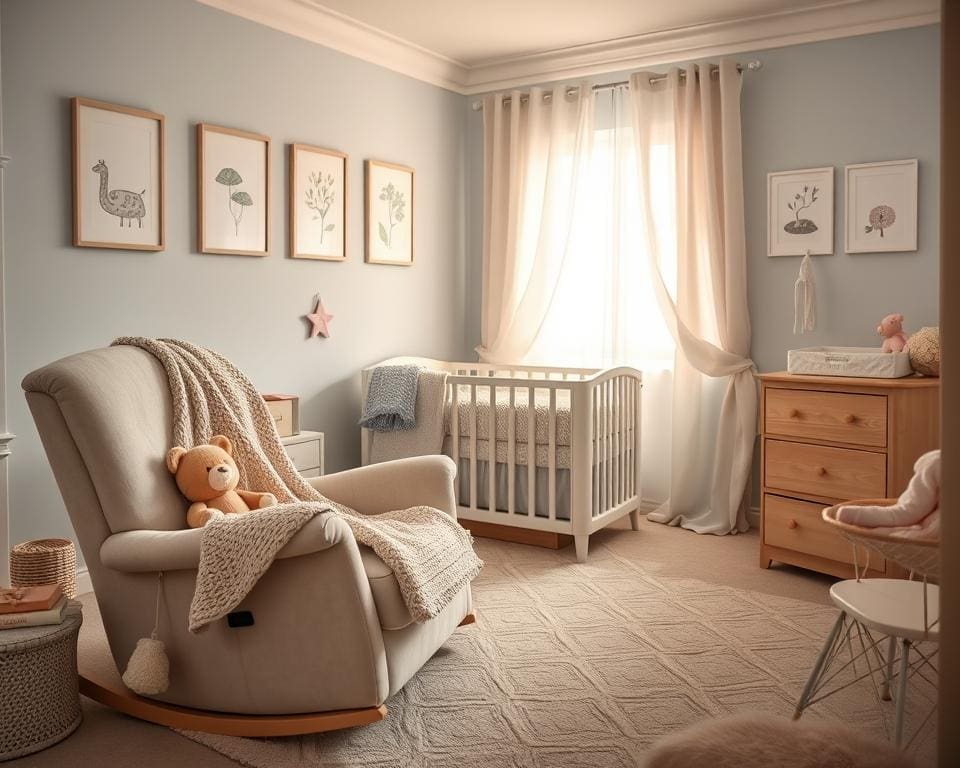
Creating a safe baby room that also feels warm and calm is about more than choosing cute décor. You need to tackle immediate hazards like falls, suffocation, strangulation, poisoning and electrical incidents, while also supporting longer‑term wellbeing through temperature control, air quality and consistent sleep routines. A well‑planned baby sleep environment reduces risk and helps your child settle more easily.
In practical terms, your aims are clear: prevent common accidents, choose compliant products, and design a layout that supports supervision and everyday care. Nursery safety and comfort go hand in hand when you use tested furniture, secure storage and sensible zoning for sleep, changing and play. This approach keeps both short‑term safety and longer‑term development in view.
Advice from trusted UK sources underpins the recommendations that follow. NHS guidance on safe sleep — such as placing infants on their back and keeping the cot clear — and RoSPA guidance on home accident prevention inform choices you make day to day. Look for British Standards (BS EN), the Kite Mark where applicable, and CE/UKCA markings when buying nursery items in the UK market to ensure compliance.
Practical constraints in UK homes matter. Many families work within small rooms, shared spaces or rented properties. Low‑cost, high‑impact measures — anchoring furniture, fitting cordless blinds and choosing appropriate bedding — make the nursery design UK‑friendly and adaptable to changing needs.
This article will walk you through practical nursery design and zoning, essential safety features and standards, comfort elements that support sleep and wellbeing, and simple maintenance tips to keep the space safe and comfortable over time.
Designing a practical safe baby room for sleep and play
A well thought-out nursery layout makes it easy to supervise baby and keeps routines simple. Start with clear sightlines from the doorway and, if relevant, from the parental bedroom. Monitors can help at night but should not replace direct visibility.
Choosing the right layout for supervision and movement
Place the cot where you can see it quickly when you enter. Keep routes to the door clear so you can move swiftly in an emergency. Maintain recommended clearances around the cot to reduce entrapment risk and to allow quick access for carers.
For small or multi-use rooms, choose compact, convertible pieces that save floor space. Use vertical storage to keep the floor uncluttered and to give you clear walking lines when carrying your baby.
Creating distinct zones: sleep, changing, play and storage
Define zones to support sleep and play habits. The sleep zone should be away from windows, cords and heaters so your baby can learn a calm sleep association.
The changing zone works best near nappies and supplies. Use a stable surface or a purpose-built changing unit with secure straps. Keep creams and medicines locked or out of reach.
Dedicate a play zone with a soft mat and low shelving for toys to encourage independent play while you supervise baby. The storage zone should hold clothes, bedding and bulky items; place heavier things low down to avoid climbing hazards.
Furniture placement to reduce hazards and improve flow
Anchor tall furniture like wardrobes and bookcases to the wall with brackets or anti-tip straps to prevent tipping. Keep the cot at least one metre from blind cords, radiators and heaters to reduce risk from cords, draughts or broken glass.
Position appliances such as monitors and humidifiers so cables do not drape into the cot. Use short extension leads and cable covers or trunking to tidy leads. Keep floors free of clutter to avoid trips when you are carrying your baby at night.
- Use portable room dividers or compact convertible furniture in rented or small homes.
- Fit cordless blinds or temporary cord cleats to remove cord hazards without major alterations.
- Try removable adhesive anchors for lighter furniture where drilling is not possible.
Essential safety features and standards for baby rooms
Start by checking that your cot meets current British and European rules. Look for BS EN 716 or the current applicable standard and the UKCA mark before you buy. Avoid second‑hand cots without full parts and paperwork to protect cot safety and meet nursery safety standards.
Safe cot selection: mattress fit, slat spacing and safety marks
Choose a firm mattress that fits snugly. The gap between mattress and cot side should be no more than two fingers. Use one proper mattress only and avoid extra padding to reduce suffocation risk.
Check slat spacing against the standard limits to prevent head entrapment. Ensure there are no cut‑outs, sharp edges or loose fittings. Register the product where possible and watch Trading Standards and the Office for Product Safety and Standards for recalls and safety marks.
Window and blind safety: restraints, cordless options and guards
Fit cordless blinds or secure cords high out of reach for strong window blind safety. If you cannot replace blinds straight away, use cleats or tensioners to tie cords well above a child’s reach.
Install window guards or stops so windows open no more than a safe width to reduce fall risk. Keep cots and chairs away from windows to prevent climbing access to cords or the sill. Ensure any glass meets safety glazing guidelines.
Electrical safety: socket covers, cable management and appliance placement
Use child‑resistant socket covers or tamper‑resistant sockets to lower electrical safety baby room risks. For frequently used sockets, swivel covers help maintain convenience without compromising safety.
Tidy cables with clips or conduit to stop loops reaching the cot and cut the strangulation hazard. Place heaters, humidifiers and monitors so cords cannot reach the sleeping area. Avoid portable heaters in the nursery and choose low‑heat LED night lights.
Keep medicines and cleaning products locked away and out of sight, ideally in a high cupboard with a child safety lock.
Secure storage: anchoring furniture and safe toy storage
Anchor furniture to the wall to prevent tipping. Retailers such as IKEA supply anti‑tip kits; use fixings suitable for your wall type, whether plasterboard or masonry, to properly anchor furniture.
Store small parts, detachable batteries and button cells out of reach to reduce ingestion danger. Use toy boxes with safety hinges or lightweight, ventilated containers to prevent lid entrapment. Regularly inspect toys for loose parts and follow British Toy and Hobby Association guidance for age‑appropriate play.
- Check product registration and recalls for ongoing nursery safety standards.
- Position furniture to limit access to windows and cords to support window blind safety.
- Use cable management to enhance electrical safety baby room measures.
- Anchor furniture and apply simple toy storage safety rules to reduce accidents.
Comfort elements that support baby wellbeing and sleep
Creating nursery comfort helps your baby settle and sleep more soundly. Use simple adjustments to support routines and reduce risks. Aim for a calm, consistent environment you can maintain night after night.
Optimal temperature and ventilation for restful sleep
Keep the room at the optimal nursery temperature recommended by UK child health services: about 16–20°C for sleep. Dress your baby in layers and use a suitable sleep sack rated for the room temperature rather than loose blankets.
Ensure good ventilation without draughts by using trickle vents or a slightly open window when safe. Be mindful of urban noise and air quality when ventilating. If you use a cool‑mist humidifier, clean it regularly to prevent mould and bacteria.
Lighting choices: dimmers, blackout blinds and night lights
Control light to reinforce sleep patterns. Install cordless blackout blinds baby models or secure cords out of reach to block early morning light. Use dimmer switches or plug‑in dimmable lamps to create a gentle bedtime routine.
Choose low‑glow LED night lights placed away from the cot to avoid heat and bright exposure. Smart lighting you can operate from the parent bedroom helps you check on the baby with minimal disturbance.
Soft furnishings and textiles: breathable bedding and hypoallergenic materials
Follow safe sleep guidance and avoid loose bedding, pillows, bumpers and soft toys in the cot for babies under 12 months. Select breathable baby bedding and mattresses with natural fibres like cotton and look for OEKO‑TEX or equivalent certification.
For allergy concerns, choose hypoallergenic mattress covers and washable soft furnishings. Wash textiles regularly at temperatures that reduce dust mites. A well‑fitting sheet and a sleep sack are safer choices than loose blankets.
White noise and soothing sound options to support routines
White noise for babies can mask household and street sounds and help them settle. Keep volume low, below 50 decibels at the cot, and place the device away from the baby to avoid direct exposure.
Use consistent, gentle sounds during bedtime, such as lullabies or heartbeat‑style loops, and select machines or apps with timers. Gradually reduce reliance on white noise as your child grows so they learn to sleep without constant sound.
Practical tips for maintaining a safe and comfortable space
Keep a short nursery safety checklist you use every day. Check the cot for loose bedding or toys, keep the changing area tidy and ensure nappies and medicines are stored out of reach. Verify heating controls so the room stays at a comfortable temperature for your baby.
Set weekly tasks for nursery maintenance and baby room upkeep. Tidy and test electrical leads, vacuum and wash soft toys and bedding, and check blind cords and window locks. Inspect cots and furniture for loose screws or wear and follow nursery cleaning tips to reduce dust and allergens.
Plan monthly and annual checks to stay ahead of problems. Test smoke alarms and check carbon monoxide detectors, inspect anchor fixings on tall furniture, and clean humidifiers and appliance filters. Each year review cots, mattresses and furniture for recalls or age‑related wear and replace a mattress that sags. Keep receipts and register safety products to protect warranties and insurance claims.
Build safe nursery routines with everyone who cares for your child. Ask visitors to wash hands and avoid smoking in the home, store hazardous items securely, and post simple signs if helpful. For rented or older homes, discuss anchor points and cordless blinds with your landlord, check for lead paint in pre‑1970s properties and deal with damp or mould promptly. Use trusted UK guidance from the NHS, RoSPA and Trading Standards to update practices as your baby grows.