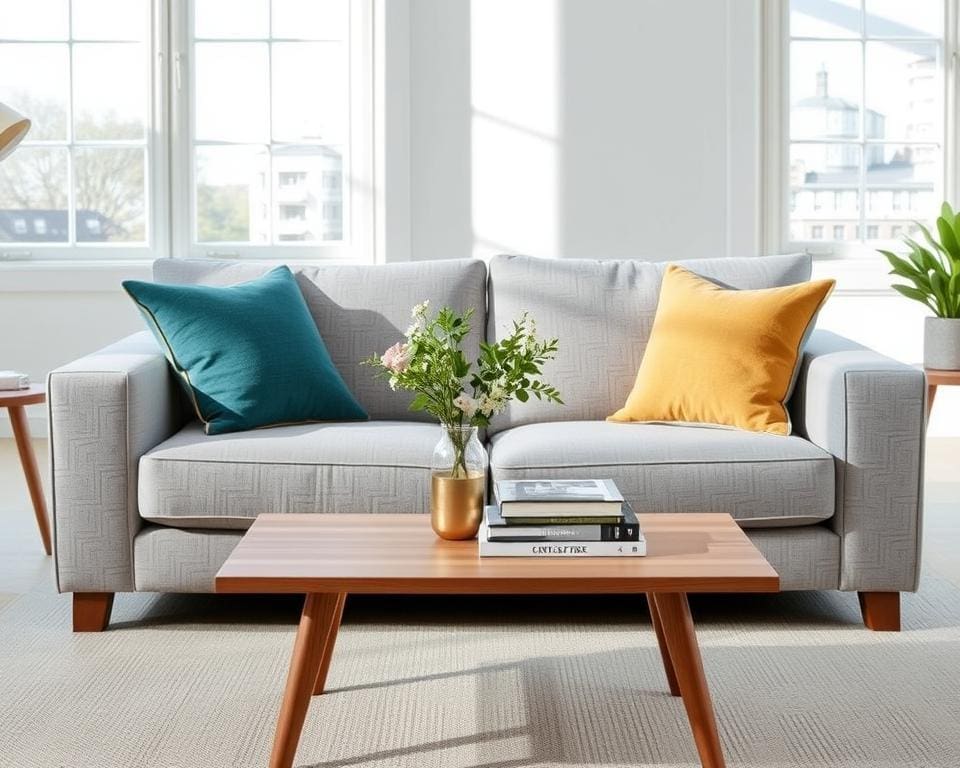
If you want to buy a two seater sofa that looks right and fits your life, start with clear priorities. This short guide helps you balance scale, style and comfort for UK homes — from compact London flats to spacious suburban lounges.
First, think about the role your two-seater couch will play. Will it be the main seating in a small living room, a companion seat in an open-plan space, or a cosy nook in a bedroom or study? Defining its role narrows choices and avoids common mistakes such as choosing the wrong depth or a piece that struggles to get through narrow doorways.
Next, consider practical matters you can control: measure your room and all access points, note sightlines and traffic flow, and set a realistic budget. These steps help you shortlist the best two seater sofa UK shoppers can find and decide whether a small sofa for living room use or a more cushioned two seater sofa is right for you.
Finally, plan to compare fabrics, construction and comfort features before you buy. Doing this will make it easier to identify a durable finish, a supportive frame and a style that suits your interior. When you proceed with those checks, you’ll be better placed to buy two seater sofa options that last and suit your everyday needs.
Understanding your space and layout for a two seater sofa
Before you buy, take time to map the area where the two seater will sit. A clear sense of scale stops mistakes and helps you choose sofa dimensions that suit your room. Simple tests on the floor make it easy to visualise how the piece will work with your living room layout.
Measure your room and available footprint
Start by taking three key measurements: the overall room size, the width of the wall or zone where the sofa will go, and the distance to opposite furniture. Leave 30–45 cm between the sofa and a coffee table for comfortable movement.
Check the seat depth you can accommodate. UK homes often use seat depths from 50 cm for upright seating to 65 cm for deep lounging. Note ceiling height and any low sills or radiators that affect scale.
Use masking tape or a cardboard cut-out to mark the footprint. This helps you see the scale before you commit to sofa dimensions.
Consider sightlines, traffic flow and focal points
Identify the room’s focal point, such as a fireplace, bay window or TV, and align the sofa so it supports that view without blocking it. Think about sightlines from the doorway and from other seats to keep the room feeling open.
Keep main walkways clear. Aim for 60–75 cm for primary routes and 45–60 cm for secondary paths to avoid a cramped layout. Two seaters often frame conversation areas or sit opposite larger pieces for balance.
Decide on placement: centrepiece, companion seating or cosy nook
Use a two seater as a centrepiece in open-plan rooms to anchor the seating area. Add a rug and coffee table to define the space and create a focal cluster.
Pair the two seater with an armchair or three-seater for companion seating. Match scale and leg height so the arrangement feels cohesive and balanced.
Tuck the sofa into a bay, alcove or bedroom to form a cosy nook. Choose turned or shorter-arm styles for tight corners and place it opposite a window for a bright reading spot.
Account for doorways, staircases and delivery access
Measure door widths, hallways, stair turns and lift dimensions before you shop. Typical UK doorways sit around 76–82 cm but some are narrower, so confirm measurements to avoid surprises.
Check whether the sofa disassembles or has removable legs. Retailers such as DFS, SCS and John Lewis often list modular or knock-down delivery options that help when access is tight.
Verify building rules for flats, such as lift size and delivery time slots. Confirm return and assembly policies so your delivery access sofa arrives smoothly and fits into your home.
Choosing style, fabric and construction to match your home
Start by thinking about how a two seater will sit within your room. Match silhouette to your dominant interior: tapered legs suit mid-century, deep rolled arms fit traditional rooms, low profiles work in contemporary spaces. Pay attention to back and arm height so the sofa reads right beside windows and other furniture.
Decide whether you want the sofa to blend in or act as a focal point. Exposed wood or metal legs can echo dining chairs and tables. A skirted base gives a formal look while slim legs make the space feel airier. If you favour Scandi or contemporary schemes, choose clean lines and muted tones.
Compare fabrics: durability, maintenance and feel
Use a sofa fabric guide to compare natural and synthetic options. Cotton and linen blends breathe well but stain more easily. Performance-treated cotton or polyester blends give you the look of natural fibres with better durability.
Check Martindale rub counts when you can; figures above 30,000 suit heavy domestic use. For families and pet owners, polyester, polypropylene or microsuede offer stain resistance. If you like texture, velvet or boucle add depth but require careful velvet sofa care and periodic professional cleaning.
Assess construction: frame materials, suspension and legs
Look beyond the cover to sofa construction. Kiln-dried hardwood frames such as beech or oak are the most durable. Plywood frames are affordable but can flex over time.
For support, eight-way hand-tied springs are premium. Serpentine springs give good value. Webbing suits lighter use. Choose high-resilience foam for seat cores to retain shape and consider feather toppers for a luxe feel, understanding they need regular plumping.
Check leg quality and fixings. Solid wood legs last, metal legs suit industrial looks and removable legs help with delivery and manoeuvring a leather two seater into tight spaces.
Colour and pattern guidance for longevity and versatility
Neutral hues—greys, beiges and navy—offer the greatest flexibility and age well. Darker shades or patterned weaves hide wear and stains, making them practical for family homes.
If you want a statement, choose a bold colour for the sofa and update the room with cushions and throws. For long-term use, pick timeless fabrics and shades and swap soft furnishings seasonally to refresh the look without replacing the sofa.
Comfort, budget and practical considerations when buying a two seater sofa
Start with comfort: check seat height (typically 40–48 cm) and depth to match how you sit. A comfortable two seater usually has medium-firm cushions that support without sinking; sit for 10–15 minutes to judge long-term feel. Assess back support, lumbar shape and whether cushions are fixed or loose, and test arm and head support if you read or watch TV often.
Work out your budget and total cost of ownership rather than focusing only on sticker price. Two seater sofa price UK ranges widely: high-street budget options can start around £250–£600, mid-range from John Lewis, DFS and Marks & Spencer tend to sit between £600–£1,500, and premium or bespoke pieces can exceed £1,500–£3,000. Add sofa delivery UK fees, assembly and any disposal or recycling charges when you compare offers.
Think about everyday upkeep and household life. For homes with pets or children choose hard-wearing, stain-resistant fabrics such as microfibre, treated wool blends or leather, and prefer removable covers where possible for easier sofa maintenance. Regular vacuuming and prompt spot cleaning extend fabric life, and some materials will need professional cleaning per the manufacturer’s guidance.
Before you buy, confirm dimensions, delivery access and construction details, including frame, suspension and filling. Look for FSC timber frames or eco-friendly fillings if sustainability matters to you; brands such as Loaf and Sofa.com publish sourcing notes to help with choices. Finally, test in person where possible, read impartial reviews and plan for accessories—scatter cushions, throws and protector sprays—to protect and personalise your two seater for years to come.