Choosing the best sofas for everyday comfort matters more than style alone. Whether you rent a flat in Manchester or own a house in Surrey, you need a comfortable sofa that supports daily life. Here comfort means balanced support, suitable seat depth, durable materials and easy care for family use.
This UK sofa guide draws on product details from retailers such as DFS, Sofology and John Lewis & Partners, and insights from makers like Parker Knoll and Heal’s. It also reflects testing and advice from Which? and independent reviewers to help you weigh comfort against longevity and value.
Read on and you will learn how to assess your needs, compare everyday sofa designs and fabrics, and plan maintenance so your comfortable living room furniture stays inviting. The article then moves into practical decision-making, design options, materials and upkeep, and finishing touches to enhance a sofa for daily use.
How to choose a comfortable sofa for daily use
Start by matching the sofa to how you live. Think about whether you will be watching television, napping, entertaining guests or working from home. Your primary uses inform choices such as firmness, depth and layout so you can choose a comfortable sofa that fits everyday life.
Assessing your everyday needs and lifestyle
Note who uses the sofa most. Children and pets need durable, stain-resistant covers and rounded edges. Older adults benefit from firmer, higher seats for easier standing.
Measure room dimensions, doorways and walkways before shopping. Allow clearance for reclining mechanisms or chaise sections so traffic flow remains smooth.
Consider frequency of use. Sofas that see daily use should have solid frames and fabrics with high rub counts to ensure long life.
Understanding sizes, depths and seat heights
Refer to a clear sofa size guide when choosing width. Two-seaters usually measure about 140–180 cm and three-seaters 180–230 cm. Match size to room scale and existing furniture to keep proportions balanced.
Think about seat depth. Shallow seats (50–55 cm) suit upright sitting. Standard depths (55–60 cm) work for mixed use. Deep seats (60 cm+) are best for lounging and taller users. Cushion thickness can alter perceived seat depth so test samples in store.
Check seat height, typically 42–48 cm. Lower seats feel loungey while higher seats around 45–48 cm help those who need to stand easily. Balance seat height with back cushion height and arm width for proper support.
Picking the right support: foam, cushions and suspension
Explore common sofa support types before you decide. High-resilience (HR) foam gives durable, long-lasting support. Memory foam contours to the body but may retain warmth.
Consider pocketed coil cores for a springier feel. Cushion fills matter too: feather and down are plush but need regular plumping. Fibre or foam-wrapped cushions offer lower maintenance and firmer support.
Look at suspension systems. Serpentine springs give even firmness. Eight-way hand-tied springs appear in higher-end models for long-term comfort. Elastic webbing suits modern, budget options. Mixed constructions, such as a foam core with a feather wrap, balance support and softness.
Considering durability and fabric suitability for families
Focus on fabric performance. Aim for Martindale rub scores above 30,000 for heavy domestic use. Check stain resistance and pilling figures to ensure longevity.
Performance fabrics like polyester blends, microfibre and solution-dyed acrylics resist fading and clean well. Leather ages attractively and lasts, though full-grain leather needs regular conditioning. Corrected-grain and bonded leathers are more affordable but less durable.
Look for practical features such as removable covers, hypoallergenic fillings and clear care instructions from retailers like John Lewis & Partners or DFS. Review frame warranties and cushion guarantees to assess long-term value when using everyday sofa buying tips.
comfortable sofa designs that maximise relaxation
Choose a silhouette that fits how you live. Classic styles like the Chesterfield or Lawson often deliver classic sofa comfort through deep seats and sturdy frames. Parker Knoll offers examples of traditional builds that favour posture and long-term support. You will find these shapes suit upright reading and formal sitting as much as relaxed lounging.
Modern frames aim for a relaxed, low profile and often pair loose back cushions with generous seat depth. This approach promotes a lounge feel that supports reclining and sprawled positions. If you prefer firmer support, Scandinavian-inspired pieces provide ergonomic simplicity with angled backs and steadier seats.
Sectionals give you room to stretch without crowding. A large layout can provide sectional sofa comfort by creating chaise ends for leg support and deep corners for lying down. Check seam strength and frame joins before buying. Measure doorways and staircases so you can manoeuvre modules into place.
Modular sofas UK options let you change the configuration as needs shift. Look for standardised connectors, spare modules and replaceable covers to extend lifespan. Retailers such as Habitat and Made.com offer flexible systems and a range of fabrics to suit family life.
Sofa beds give you sleep-ready practicality while maintaining daytime comfort. Modern mechanisms use memory foam or pocket-sprung mattresses and slatted bases for improved sofa bed comfort. Brands like John Lewis & Partners and Loaf list mattress specifications to help you compare models.
Recliner models deliver tailored positions for reading, napping or watching TV. Electric, dual-motor recliners offer fine adjustment of back and footrest. Manual options are more budget friendly. Always stress-test moving parts and check motor warranties to assess long-term recliner sofa advantages.
When you weigh multi-function pieces, focus on daytime comfort first. Sofa beds and recliners can compromise some seating feel for convertibility. Choose models where seats remain comfortable for daily use so your sofa works hard and feels good every day.
Materials and maintenance to keep your sofa comfortable longer
Choosing the right upholstery makes a big difference to comfort and care. A simple sofa materials comparison helps you weigh looks, durability and cleaning needs so you pick what suits your household.
Comparing upholstery
When you consider leather vs fabric sofa options, think about life at home. Full-grain or top-grain leather offers durability, a classic patina and straightforward wipe-clean care. Bonded leather wears faster and fares poorly in heavy-use rooms.
Velvet brings a plush feel and elegant finish. Choose tightly woven velvets with good Martindale ratings if you want resilience. Velvet can show marks and may need specialist cleaning, so consider stain-resistant finishes for busy family spaces.
Performance fabrics UK, such as Sunbrella and Crypton, are made for spills and pets. These commercial-grade polyesters resist stains, wipe clean easily and score highly on abrasion tests, making them a sensible choice for rental properties and active homes.
Frame materials and construction
Check sofa frame materials before you buy. Kiln-dried hardwoods like beech and oak resist warping and last longest when joined with corner blocks, glue and screws. These frames are worth the investment for long-term use.
Softwood and plywood are common in budget ranges. If you choose these, read the warranty and manufacturer guidance closely. Avoid frames held together with staples only when you plan heavy use.
Spring and webbing systems affect comfort over time. Eight-way hand-tied springs are premium and durable. Serpentine springs and high-tension elastic webbing perform well in mid-range sofas. Ask retailers for construction details or testing data.
Cleaning tips and protective treatments
Adopt simple sofa cleaning tips to keep fabrics fresh. Vacuum fabric sofas weekly with an upholstery attachment. Wipe leather weekly with a damp cloth and use a dedicated leather cleaner and conditioner periodically.
For spills, follow manufacturer instructions and test products on hidden seams first. Use mild detergents on fabric and avoid bleach or harsh solvents on any upholstery. Apply fabric protectors such as Scotchgard where the maker recommends it.
Washable slipcovers give extra protection in very active homes. Consider professional deep cleaning every year or two for heavily used sofas to maintain appearance and to meet warranty terms.
When to reupholster, repair or replace
Look for repair signs like squeaking frames, broken springs, compressed cushions or torn fabric. Small issues can be fixed by replacing foam cores, adding new springs or professional rewebbing.
If the frame is sound but the cover is worn or the style is dated, you may choose to reupholster sofa fabric. Reupholstering can extend the life of high-quality frames from makers such as Parker Knoll or solid-wood mid-century pieces.
Replace the sofa when the frame is compromised, repair costs near the price of a new sofa, or it no longer meets your ergonomic needs. Many UK retailers now offer take-back and recycling schemes to reduce waste.
Styling, placement and accessories to enhance everyday comfort
Start with a clear sofa placement guide: face your sofa toward the room’s focal point, whether that is a TV, fireplace or bay window, and keep at least 60–90 cm of clear space for walkways. Anchor the seating with a rug that fits under the front legs and leave 30–45 cm between the sofa and coffee table for easy reach. Positioning away from direct sun and using blinds or curtains will protect upholstery from fading.
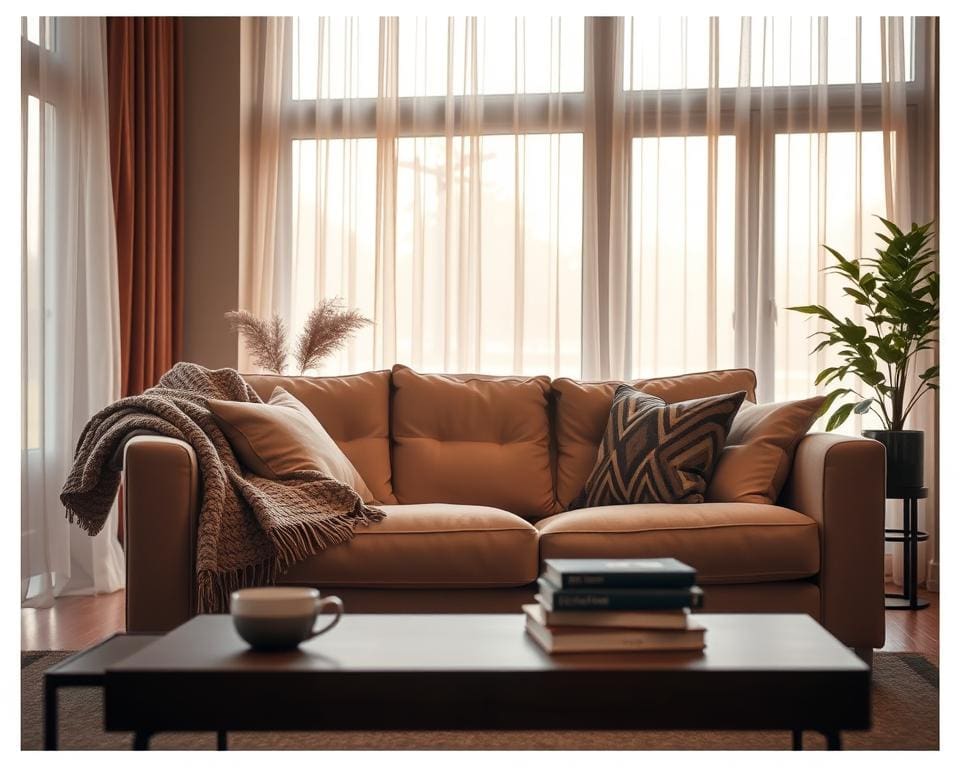
Use practical sofa styling tips to layer comfort. Mix lumbar and square cushions for lower-back support, pairing feather-down pads for softness with foam inserts for structure. Throws for sofas should be breathable cotton or wool so you can regulate temperature and wash easily; drape one over an arm or the back to invite use and hide wear on high-traffic seats.
Choose colours and fabrics with daily life in mind. Neutrals, mid-tones and patterned weaves mask stains better on family sofas, while delicate fabrics suit guest rooms. For living room comfort accessories, add firm-topped footstools for leg support and soft pouffes for casual seating. Side tables or tray tables keep essentials close without clutter, and storage ottomans combine utility with a neat surface.
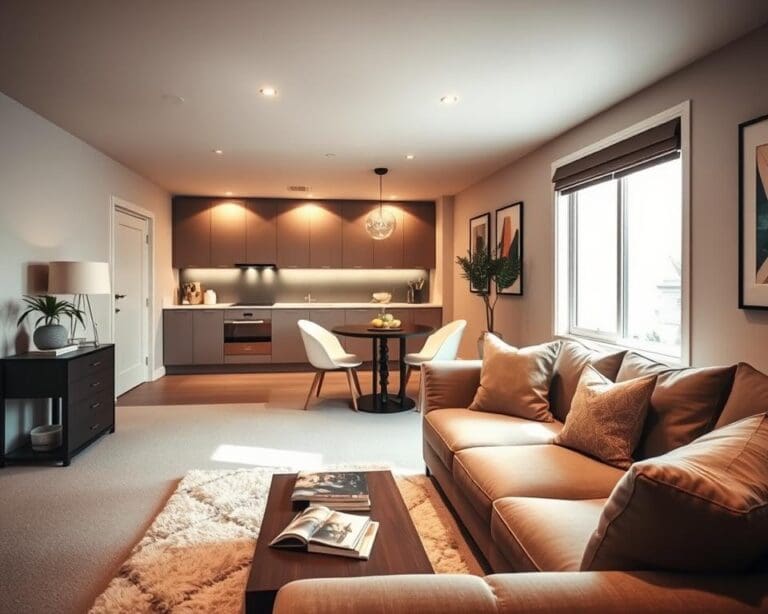
Think ergonomics and British homes when you buy: in narrow Victorian terraces pick compact two-seaters, and in open-plan flats use modular systems to define zones. Test sofas in-store or take advantage of home trials from retailers like John Lewis & Partners, Loaf or Sofa Workshop to ensure seat height, depth and support meet your needs. For more practical guidance on measuring and choosing a sofa, see this helpful guide from Evo Vivo: how to choose the perfect sofa.