Why do chefs use aged balsamic vinegar so sparingly? The simple answer is that proper aged balsamic is powerful, precious and easy to overdo. A few drops can bring sweetness, acidity, depth and gloss to a dish, while a heavy splash can make even carefully cooked food taste muddled. In professional kitchens, it is treated less like everyday vinegar and more like a finishing seasoning, similar to a fine olive oil, a mature cheese or a carefully chosen spice.
Aged balsamic vinegar has a rich flavour built over time. It can taste of cooked grape, dried fruit, caramel, wood, sharp fruit acidity and gentle bitterness. That complexity is exactly why chefs use it with restraint.
Why do chefs use aged balsamic vinegar so sparingly? The short answer
Chefs use aged balsamic vinegar sparingly because it is concentrated. As it ages, water evaporates, texture thickens and flavour becomes more intense. This means a little goes a long way.
It is also used to finish a dish rather than to cook one. Heat can flatten some of its more delicate aromas, so chefs often add it at the end, just before serving. Used in tiny amounts, it can lift a plate without taking it over.
There is also a question of balance. Good cooking depends on salt, fat, acid, sweetness and bitterness working together. Aged balsamic brings both acidity and sweetness, so too much can disturb the whole dish. What begins as elegance can quickly become sticky, sweet or sour.
Finally, genuine aged balsamic is usually expensive compared with everyday vinegar. Chefs respect both the ingredient and the labour behind it, so they avoid wasting it.
What makes aged balsamic vinegar so intense?
Aged balsamic vinegar is not simply ordinary vinegar left on a shelf. Traditional versions are made from cooked grape must, which is grape juice slowly reduced before ageing. During ageing, the liquid develops a deeper colour, fuller body and more complex flavour.
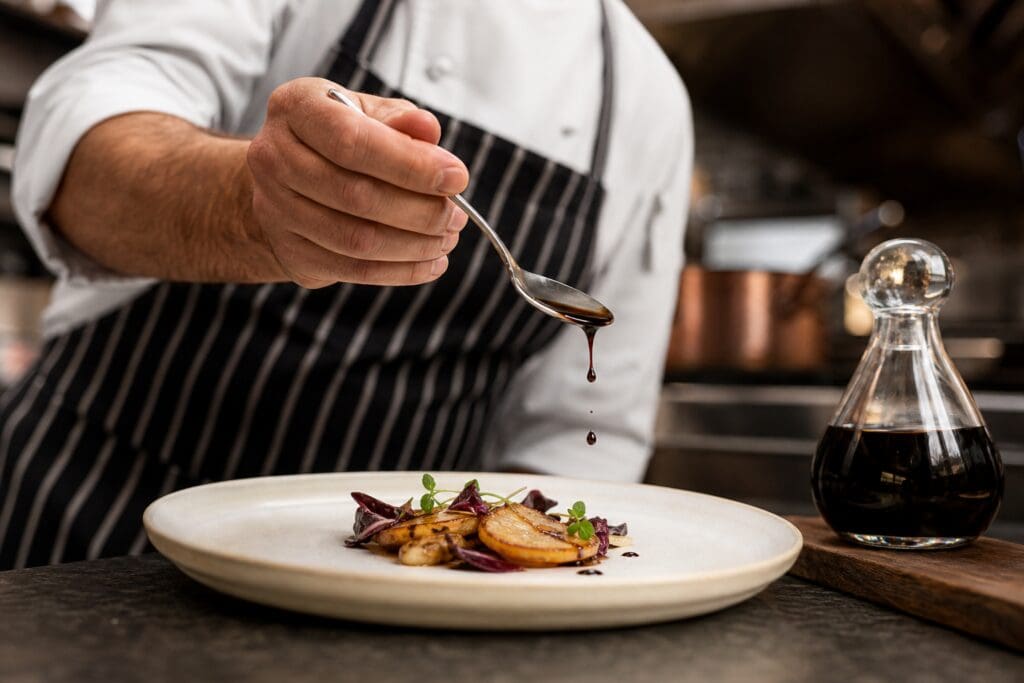
As time passes, the vinegar becomes denser. It may coat a spoon, fall in slow drops and leave a glossy finish on food. This thickness is not only about texture. It also means the flavours are packed closely together.
You may notice flavours such as:
- Raisin, fig or prune, giving a dried-fruit sweetness
- Caramel or treacle-like notes from the cooked grape must
- Gentle woodiness from ageing in barrels
- Bright acidity that cuts through rich food
- A savoury depth that makes sweet and salty dishes feel complete
Because so much is happening in one ingredient, chefs do not need much. A few drops can add the effect of several seasonings at once.
Ageing changes both flavour and texture
Young balsamic-style vinegars are usually sharper, thinner and more suitable for dressings, marinades or cooking. Aged balsamic is different. It is softer on the tongue, more syrupy and often more rounded.
This does not mean it has no acidity. Rather, the acidity is wrapped in sweetness and body. That makes it feel smoother, but it can still dominate if poured freely.
Texture matters too. A thick balsamic can sit on the surface of cheese, fruit or roasted vegetables. Instead of soaking in like a thin vinegar, it becomes part of the final presentation. Chefs use this quality carefully, because too much can make a plate look heavy and taste cloying.
Sweetness is part of the appeal
Many people think of vinegar as purely sharp, but aged balsamic is also noticeably sweet. This sweetness is natural to the cooked grape must and becomes more pronounced as the liquid concentrates.
That sweetness is wonderful in the right place. It flatters strawberries, pears, tomatoes, Parmesan-style cheeses, duck, pork, beetroot and even vanilla ice cream. However, it can clash with dishes that already contain sweet sauces, honey glazes or sugary reductions.
This is another reason chefs measure by drops, not glugs. They are adding contrast, not dessert sauce.
How chefs use aged balsamic in professional cooking
In a restaurant kitchen, aged balsamic is usually treated as a finishing ingredient. It is added after cooking, once the main seasoning has already been checked. The chef may taste the dish, decide it needs brightness or depth, then add a few drops to sharpen the finish.
It is rarely used in the same way as white wine vinegar, cider vinegar or standard balsamic vinegar. Those are more practical for salad dressings, pickles, reductions and marinades. Aged balsamic is saved for moments where its special character can be noticed.
Common ways chefs use it include:
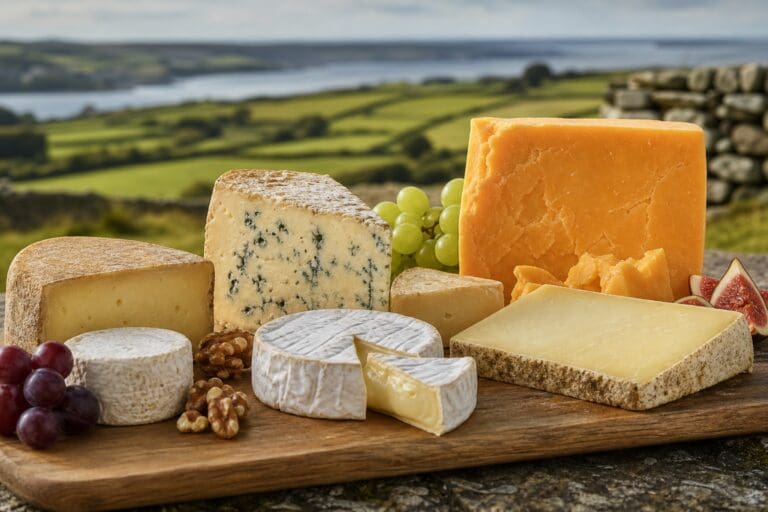
- Drizzling a few drops over aged cheese
- Finishing grilled steak, duck or pork
- Balancing roasted beetroot, squash or onions
- Adding depth to tomato salads
- Pairing with strawberries, figs or pears
- Dotting around a plate for colour and flavour
- Enhancing simple dishes such as burrata or good mozzarella
In each case, the vinegar is not there to shout. It is there to make the main ingredient taste more complete.
It is usually added at the end
Cooking aged balsamic for too long can dull its fragrance. While reducing a cheaper balsamic vinegar can make sense for sauces and glazes, doing the same with a fine aged vinegar is usually unnecessary. It has already gained concentration through ageing.
Chefs often add it once the food is plated or just before it leaves the kitchen. This preserves the aroma and keeps the texture luxurious. The diner experiences the balsamic as a final bright note rather than a background flavour lost in the pan.
It works best with simple food
Aged balsamic is at its best when the dish gives it space. That is why it often appears with simple ingredients: ripe tomatoes, grilled vegetables, cured meats, cheese, fruit or well-cooked meat.
If a dish already contains many strong flavours, such as chilli, heavy spice, smoky sauces or very sweet elements, aged balsamic can get lost or become confusing. Chefs may choose a sharper, simpler vinegar instead.
Simplicity lets aged balsamic do what it does best: add polish, depth and a clean sweet-sour finish.
Why too much aged balsamic can spoil a dish
Aged balsamic is delicious, but more is not always better. The main risk is imbalance. A dish that needs a little acidity can become sour. A dish that needs depth can become sticky. A clean plate can start to taste like vinegar rather than food.
Too much aged balsamic can cause several problems:
- It can overpower delicate ingredients such as white fish or soft herbs
- It can make savoury food taste unexpectedly sweet
- It can create a sticky texture that feels heavy
- It can darken sauces or pale ingredients too much
- It can mask careful seasoning already in the dish
Chefs spend time building layers of flavour. If they add too much balsamic at the end, those layers may disappear beneath one strong note.
This is especially true with high-quality ingredients. A perfectly ripe tomato, a creamy cheese or a rare piece of beef does not need to be drowned. A few drops of aged balsamic can heighten its natural taste. A spoonful can cover it.
The cost and craft behind the restraint
Another reason chefs use aged balsamic vinegar sparingly is respect for the production process. Traditional aged balsamic is associated with parts of northern Italy, especially Modena and Reggio Emilia. It is made with care, aged over time and handled as a specialist product.
Not every bottle labelled balsamic is the same. Some supermarket balsamic vinegars are excellent for everyday use, but they may be blends designed for dressings and cooking. True aged balsamic is usually thicker, more complex and more costly.
Chefs are trained to choose the right ingredient for the right job. They would not use a rare finishing oil for deep-frying, or a very old whisky in a basic batter. In the same way, they avoid using aged balsamic where an ordinary vinegar would work better.
Sparing use is not stinginess. It is good kitchen judgement.
How to use aged balsamic vinegar at home
Home cooks can borrow the same approach. Think of aged balsamic as a finishing touch, not a liquid seasoning to pour freely. Taste your food first, then add a little. You can always add another drop, but you cannot easily remove it.
Start with half a teaspoon or less for an individual plate. For small items, such as cheese or fruit, even a few drops may be enough. Use it where it can be tasted clearly.
Good home pairings include:
- Strawberries with a little black pepper
- Parmesan-style hard cheese or mature Cheddar
- Roasted carrots, beetroot or squash
- Tomato and mozzarella salad
- Grilled pork chops or steak
- Figs, pears or peaches
- Vanilla ice cream, if you enjoy sweet-savoury contrasts
Avoid using your best aged balsamic in long-cooked sauces, large marinades or highly spiced dishes. A younger balsamic, red wine vinegar or sherry vinegar may be more suitable there.
Store the bottle in a cool, dark cupboard with the cap tightly closed. It does not need to be treated like fresh juice, but keeping it away from heat and light helps preserve its character.
Aged balsamic versus everyday balsamic
Understanding the difference helps explain the chef’s habit. Everyday balsamic vinegar is often thinner and sharper. It is useful in vinaigrettes, marinades, pan sauces and glazes. You can whisk it with oil, mustard and seasoning for salad without worrying too much about cost or intensity.
Aged balsamic is more concentrated and more distinctive. It belongs in smaller quantities, especially when the flavour is meant to be noticed.
This does not mean everyday balsamic is inferior. It simply has a different role. In fact, many chefs keep more than one vinegar in the kitchen. They might use a younger balsamic for cooking and a small bottle of aged balsamic for finishing.
The best choice depends on the dish. A bowl of salad leaves may need a lively dressing made with a younger vinegar. A slice of aged cheese may need just a glossy drop of the older one.
Frequently Asked Questions
Is aged balsamic vinegar stronger than normal balsamic vinegar?
It can seem stronger because the flavour is more concentrated and complex. It is not only sharp; it is sweet, rich, woody and tangy at the same time. That intensity is why chefs use only a small amount.
Can I cook with aged balsamic vinegar?
You can, but it is usually not the best use of it. Long cooking can reduce its delicate aroma and waste its carefully developed texture. For cooking, a younger balsamic vinegar is often more practical.
Why is aged balsamic vinegar so expensive?
The price reflects the ingredients, ageing time, careful handling and concentration. As it ages, the liquid reduces and becomes more intense. Less final product remains, which is one reason it is treated as a special ingredient.
How much aged balsamic vinegar should I use?
Begin with a few drops, then taste. For one plate, half a teaspoon may already be generous. The aim is to lift the dish, not cover the flavour of the main ingredients.
Does aged balsamic vinegar need to be refrigerated?
It usually does not need refrigeration. Keep it tightly closed in a cool, dark cupboard, away from direct heat and sunlight. Proper storage helps protect its aroma, texture and balanced flavour.