
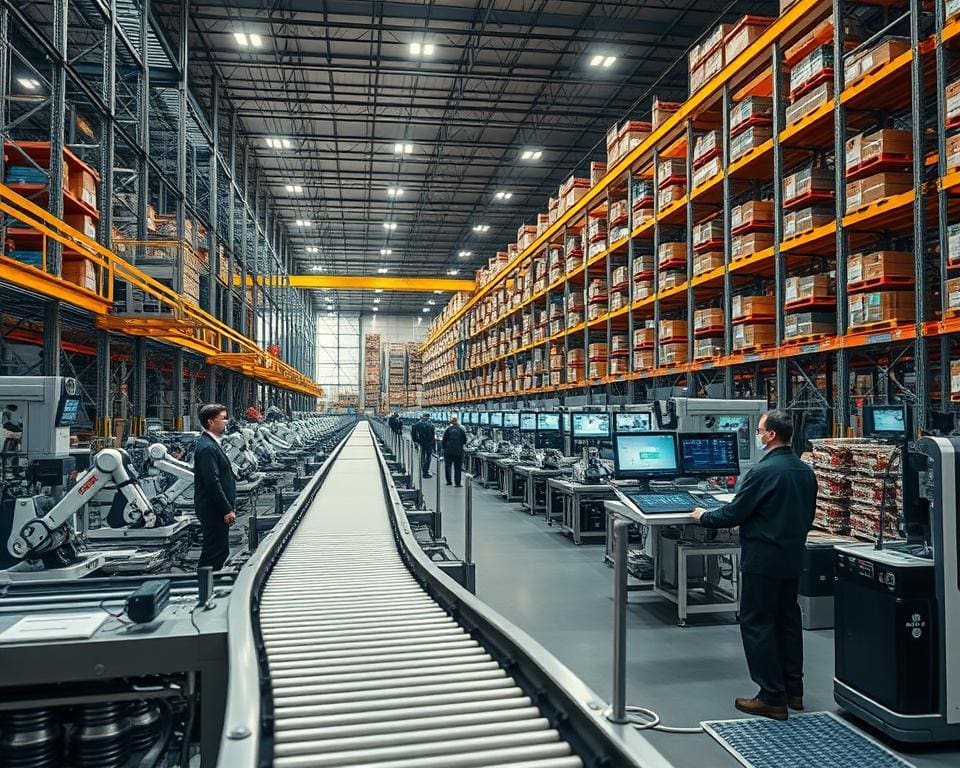
Smart factories represent a transformative leap in the manufacturing landscape, harnessing the power of cutting-edge manufacturing technologies to achieve significant productivity enhancement. By integrating IoT technologies and automation, these advanced production systems are able to streamline operations, optimise resource management, and enhance overall industrial efficiency. Esteemed innovators like Siemens and GE are at the forefront of this revolution, demonstrating how the fusion of physical and digital realms can revamp production flows. This article explores how embracing smart factories can lead to groundbreaking improvements in productivity, setting the stage for a more efficient and sustainable future in manufacturing.
Understanding Smart Factories
The concept of a smart factory evolves as technology advances, drawing attention to the integration of various digital elements in manufacturing. A smart factory leverages connectivity, data, and advanced automation to transform traditional production methods. Understanding the smart factory definition is essential, as it encompasses an environment where machines, systems, and people collaborate seamlessly for enhanced productivity and efficiency.
Definition and Key Features
A smart factory can be defined as a highly digitised manufacturing environment that employs the Internet of Things (IoT), machine learning, and advanced automation in manufacturing to optimise processes. Key features of these factories include:
- Real-time monitoring of machinery to ensure optimal performance
- Predictive maintenance that foresees issues before they disrupt production
- Autonomous robots capable of executing complex tasks with minimal human intervention
Leaders in the manufacturing sector, including Bosch and Tesla, exemplify the capabilities of smart factories by integrating interconnected systems that streamline operations and improve overall efficiency.
The Role of IoT and Automation
The Internet of Things plays a pivotal role in the smart factory ecosystem. Through enabling seamless connectivity between devices, IoT facilitates instant data exchange and enhances responsiveness. Automation in manufacturing is another critical aspect, allowing for greater precision and a reduction in human error. As digital transformation accelerates across industries, the adoption of these technologies becomes vital for organisations looking to stay competitive and innovative.
How can smart factories boost productivity?
Smart factories serve as a beacon of innovation in the realm of manufacturing, leading to significant gains in productivity. By harnessing advanced technologies, they create an environment where operations thrive. Two pivotal aspects of this transformation are increased efficiency through automation and the role of real-time data analytics in empowering decision-making.
Increased Efficiency through Automation
Efficiency through automation stands as a cornerstone of smart manufacturing. The deployment of robotics and AI-driven systems minimises human error and reduces operational downtime. These automated systems handle repetitive tasks with remarkable speed, freeing up human workers to engage in more complex and creative challenges. As a result, organisations experience a notable uptick in productivity in manufacturing, enhancing overall output without compromising quality.
Real-Time Data Analytics for Informed Decisions
Real-time data analytics opens the door to informed decision-making in smart factories. Instant access to production trends and anomalies equips decision-makers with the insights necessary to optimise processes. Brands like Honeywell and Rockwell Automation exemplify this shift by leveraging advanced analytics. They not only forecast demands but also monitor performance metrics effortlessly, driving efficiency and responsiveness in a dynamic market landscape.
Benefits of Smart Manufacturing Technologies
The implementation of smart manufacturing technologies brings a plethora of advantages that significantly enhance operational efficiency. These benefits span various aspects, including improved resource management, enhanced product quality, and optimised supply chain operations. Understanding these advantages can provide insight into how organisations can elevate their productivity and competitiveness in the market.
Improved Resource Management
Smart manufacturing technologies empower businesses with the ability to monitor resource usage in real-time. Companies can track materials and energy consumption, which leads to more efficient resource management practices. The implementation of data analytics helps in identifying wasteful practices, enabling organisations to reduce costs and operate more sustainably.
Enhanced Product Quality and Consistency
Achieving high product quality is fundamental for any manufacturer. Smart technologies facilitate precise monitoring throughout the production process, ensuring that products meet stringent quality standards. Brands such as Toyota exemplify this commitment to quality, utilising these technologies to maintain consistency across their manufacturing lines and enhance customer satisfaction.
Optimised Supply Chain Operations
Effective supply chain optimisation is a key benefit of smart manufacturing. Enhanced visibility into inventory and logistics enables quicker responses to market demands. By leveraging platforms like SAP and Oracle, manufacturers can streamline operations, reduce lead times, and ultimately improve service delivery. This level of efficiency becomes a competitive advantage in an ever-evolving marketplace.
Challenges in Implementing Smart Factories
The journey towards smart factories, while promising, involves navigating several challenges. Understanding these obstacles is crucial for any organisation looking to embrace advanced manufacturing technologies. Key among these challenges are the initial investment and costs, as well as the need for effective workforce training and adaptation to technology.
Initial Investment and Costs
One of the primary challenges of smart factories lies in the substantial implementation costs. The transition requires a major financial commitment to acquire cutting-edge technology, integrate systems, and ensure ongoing maintenance. Organisations must weigh the long-term benefits against these upfront costs to justify their investment.
Workforce Training and Adaptation
As technology evolves, so must the workforce. Embracing automation and data analytics necessitates comprehensive workforce training. Employees need to develop new skills to successfully adapt to technology. Companies such as Siemens and ABB are leading the way by investing in robust training programmes that not only prepare their teams for the demands of smart manufacturing but also enhance their adaptability. This investment in human capital is essential for overcoming the challenges of smart factories.
The Future of Smart Factories
The future of smart factories is characterised by the seamless integration of emerging technologies with a strong focus on sustainable manufacturing practices. As advancements in artificial intelligence, machine learning, and cloud computing continue to transform the manufacturing landscape, we can expect to see the rise of fully autonomous production systems and advanced predictive maintenance solutions. These technological advancements are set to redefine how production is approached, ensuring companies remain competitive in an increasingly global marketplace.
An essential aspect of this evolution is the increasing commitment to sustainable manufacturing. Manufacturers such as Unilever and Coca-Cola are leading the way, demonstrating that environmentally responsible practices not only enhance productivity but also bolster brand reputation and foster customer loyalty. By prioritising resource efficiency and minimising waste, companies can create a more sustainable and resilient production model that meets the demands of the modern consumer.
The trends in manufacturing are clearly heading towards a future where smart factories can respond dynamically to shifting global needs and challenges. This adaptability will empower manufacturers to thrive amid uncertainty while maintaining high standards of quality and efficiency. As we embrace the future of smart factories, the possibilities for innovation and sustainability are truly limitless, guiding us towards a more prosperous manufacturing environment.