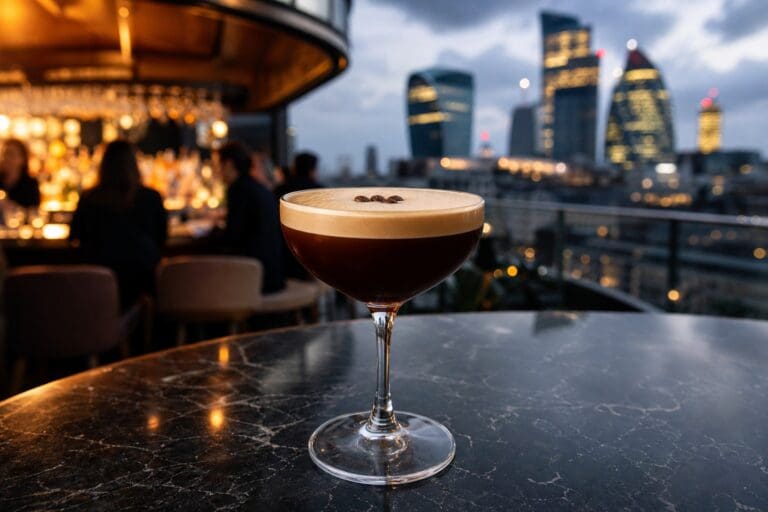
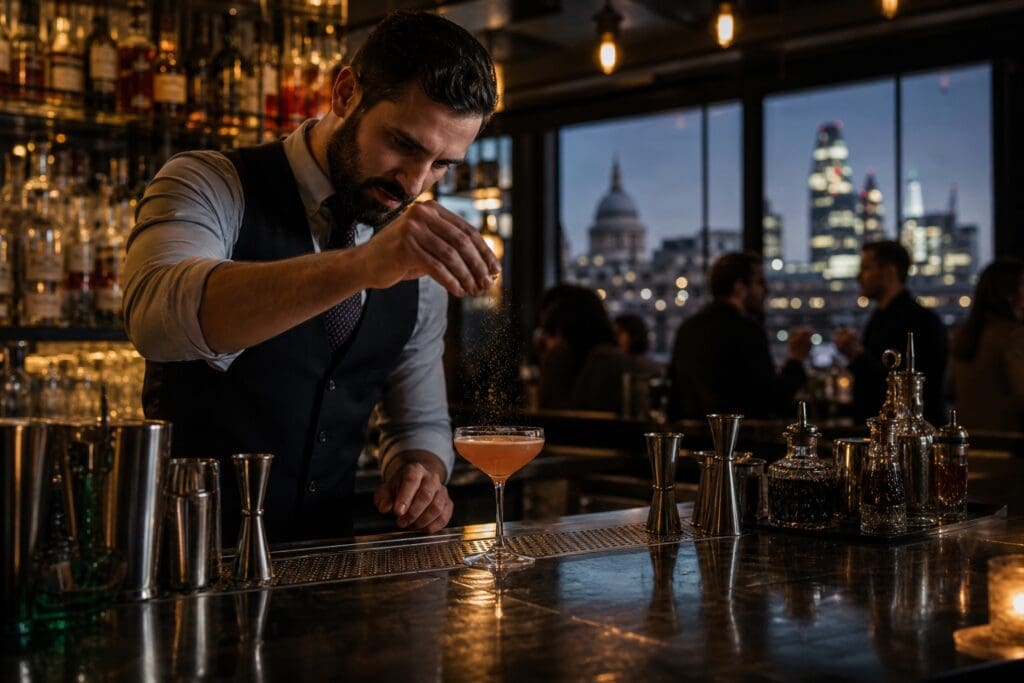
What makes London's cocktail bars some of the world's best? It is not one single thing, but a mix of creativity, skill, diversity and atmosphere. London has long been a city where global influences meet local character, and its bar scene reflects that beautifully. From polished hotel lounges to tiny basement bars, the capital offers drinks with imagination, precision and a strong sense of place.
What makes London's cocktail bars some of the world's best today?
London’s cocktail scene succeeds because it is both serious and playful. Bartenders often treat their craft with real discipline, yet the experience rarely feels stiff. A guest can order a perfectly made martini, a low-alcohol spritz, a savoury house creation or a flamboyant sharing drink and still feel that the bar understands balance.
The city also benefits from constant movement. London attracts bartenders, chefs, designers, musicians and guests from across the UK and around the world. That exchange brings new techniques, unusual ingredients and different hospitality styles into one place. The result is a bar culture that keeps changing without losing its standards.
Another reason is choice. There is no single “London cocktail bar” style. Some bars are grand and theatrical, while others are modest, candlelit and hidden below street level. Some focus on classic recipes, some on seasonality, and others on music, art or food pairings. This variety gives London a depth that few cities can match.
A city shaped by global taste and local character
London’s strength lies in its ability to absorb influences without becoming bland. A bar in Soho may draw on Italian aperitivo culture. A venue in Shoreditch might lean into Japanese precision or Caribbean flavours. A Mayfair lounge may honour old-school service while still offering a modern menu.
This international spirit does not erase British identity. Instead, many bars use familiar local references in clever ways. Rhubarb, orchard fruits, hedgerow herbs, tea, cider, stout, marmalade and sea salt can all appear in creative drinks. When used well, these ingredients give cocktails a sense of place without feeling forced.
Neighbourhoods with their own drinking personalities
London’s neighbourhoods add texture to the experience. The West End is known for theatre, late nights and polished hospitality. Soho remains lively, compact and full of character. Shoreditch and Hackney often feel more experimental, with design-led interiors and playful menus. Mayfair and St James’s tend to offer elegance, calm and classic service.
South London also has a strong identity, with relaxed bars, independent venues and a less formal mood. Areas such as Brixton, Peckham and Bermondsey bring energy, community and creativity. This spread matters because it means visitors can explore different versions of the city through its drinks.
A meeting point for food, fashion and music
Cocktail bars in London rarely exist in isolation. They sit close to restaurants, galleries, theatres, clubs, hotels and markets. This encourages cross-pollination. A bartender may borrow ideas from pastry, fermentation, perfumery or fine dining. A menu may reflect a neighbourhood’s music scene or the visual language of a fashion house.
That connection to culture makes the best bars feel alive. They are not simply places to drink; they are places to watch the city express itself. The glass becomes part of a wider evening.
Craft, training and attention to detail
Great cocktail bars depend on skill. London has a deep pool of experienced bartenders, bar managers and hospitality professionals who understand both technique and service. The best venues care about the small details: the right ice, clean glassware, balanced sweetness, fresh citrus, careful dilution and a garnish that adds aroma rather than decoration alone.
Training also matters. Strong bars build teams that know their menus, understand allergies and can guide guests without sounding rehearsed. Good hospitality is not about showing off knowledge. It is about reading the table, noticing pace and making people feel comfortable.
A well-run London cocktail bar often pays attention to:
- Ice quality: Large, clear cubes or carefully shaped ice can chill a drink properly without watering it down too quickly.
- Glass temperature: A chilled coupe or frosted highball can make the first sip far more refreshing.
- Measured pours: Consistency helps every guest receive the drink as intended.
- House preparations: Syrups, cordials, infusions and clarified juices can add depth when made with care.
- Menu guidance: Clear descriptions help guests choose without feeling confused or intimidated.
This focus on detail is one reason London’s bars appeal to both casual drinkers and cocktail enthusiasts. You do not need specialist knowledge to enjoy the experience, but you can sense when the work behind the drink is thoughtful.
Classics, innovation and the balance between them
A world-class cocktail city must respect the classics. London bars generally understand this. Many bartenders can make a negroni, daiquiri, old fashioned, martini or margarita with confidence. These drinks may sound simple, but they reveal technique quickly. Too much sweetness, poor dilution or careless presentation can spoil them.
At the same time, London is known for innovation. The most interesting bars do not innovate just for novelty. They use new methods to improve flavour, texture or sustainability. Clarification can make a drink silky and bright. Fermentation can add complexity. Creative non-alcoholic serves can give depth without relying on sugar. Savoury ingredients can make a cocktail more food-friendly.
Menus that tell a story
Many London cocktail menus are built around a theme. That might be a journey through a neighbourhood, a set of seasonal ingredients, a list inspired by art, or a playful reinterpretation of classic drinks. A strong concept helps guests understand the bar’s personality.
However, the best menus avoid becoming too abstract. A guest should still know whether a drink is fresh, bitter, fruity, spirit-forward, creamy or sparkling. London’s strongest bars usually combine imagination with clarity, giving people confidence to order something new.
Non-alcoholic and lower-alcohol drinking
Modern cocktail culture is not only about strong drinks. London bars have become more thoughtful about alcohol-free and lower-alcohol options. Instead of offering one basic mocktail, many venues now create grown-up serves with bitterness, acidity, spice, texture and aroma.
This matters for consumers. People may want to drink less for health, preference, work, travel or simply because they want a lighter evening. A great bar makes that choice feel normal, not like an afterthought.
Hospitality that feels polished but personal
The drink is only part of the reason people remember a bar. Service shapes the entire evening. London’s best cocktail bars understand how to combine professionalism with warmth. Staff may be highly trained, but the atmosphere should still feel human.
Good service starts before the first sip. It includes the greeting, the seating, the water, the explanation of the menu and the sense that nobody is being rushed. It also includes knowing when to step back. A guest on a date, a group celebrating a birthday and a solo visitor at the bar all need different styles of attention.
The best hospitality feels natural. It is present without hovering, knowledgeable without lecturing, and stylish without being cold. This is where many London bars excel. They can make a special occasion feel elevated while still welcoming someone who simply wants a good drink after work.
Design, mood and the theatre of the bar
Atmosphere is a major part of London’s cocktail reputation. Some bars use velvet seating, marble counters and low lighting to create glamour. Others use bare brick, vinyl records, neon or minimal design to create a different kind of intimacy. The city offers both spectacle and subtlety.
Lighting is especially important. A cocktail bar should flatter the room, the glass and the guests. Music matters too. It can lift the energy or make conversation difficult. The best venues understand volume, tempo and timing.
There is also theatre in the making of a drink. Watching a bartender stir, shake, strain, flame, garnish or carve ice can be captivating. But good theatre supports the drink; it does not distract from it. London’s strongest bars know when to be dramatic and when to keep things simple.
Ingredients, sustainability and seasonal thinking
Consumers are increasingly aware of waste, sourcing and environmental impact. London cocktail bars have responded in practical ways. Some use seasonal produce, reduce single-use materials, repurpose citrus husks, make cordials from surplus ingredients or design menus that produce less waste.
This approach can improve flavour as well as ethics. Seasonal ingredients often taste brighter and more distinctive. A drink built around fresh berries in summer or spiced orchard fruit in autumn can feel connected to the time of year.
Sustainability in bars is not always visible to guests, and it should not become empty branding. When done well, it is part of good operations: buying thoughtfully, preparing efficiently and respecting ingredients. London’s competitive scene encourages bars to think carefully about these choices.
Why London appeals to every kind of cocktail drinker
One of London’s greatest strengths is accessibility across moods and budgets. The city has destination bars for special evenings, but it also has neighbourhood spots where the welcome is relaxed and the drinks are well made. A visitor can plan a refined night out or stumble upon somewhere memorable between dinner and the train home.
The range of experiences is unusually broad:
- For classic drinkers: There are bars that take martinis, manhattans and negronis seriously.
- For adventurous guests: Experimental menus offer unexpected flavours, textures and presentation.
- For social groups: Lively venues provide sharing serves, music and a more energetic setting.
- For quieter evenings: Smaller bars offer calm lighting, attentive service and conversation-friendly rooms.
- For mindful drinking: Alcohol-free and lower-alcohol serves are increasingly considered and creative.
This variety makes London feel welcoming. You do not have to fit one mould to enjoy the cocktail scene. Whether you prefer bitter, bright, rich, dry, sparkling, smoky or alcohol-free, there is likely a bar that understands your taste.
Frequently Asked Questions
Why are London cocktail bars so highly regarded?
London cocktail bars are highly regarded because they combine skilled bartending, creative menus, polished service and a huge range of influences. The city’s diversity encourages experimentation, while its hospitality traditions keep standards high and guest experience central.
Are London cocktail bars only for serious cocktail fans?
No, many London cocktail bars are very welcoming to casual drinkers and first-time visitors. Good staff can explain flavours clearly, suggest approachable drinks and adapt recommendations without making guests feel pressured or out of place.
What should I order in a London cocktail bar?
A classic drink is a good test of technique, especially a martini, daiquiri, negroni or old fashioned. If the bar has a house menu, it is also worth choosing something that reflects its style, ingredients and personality.
Do London bars offer good alcohol-free cocktails?
Yes, many London bars now put real thought into alcohol-free cocktails. The better options use bitterness, acidity, spice, tea, fruit, herbs or complex non-alcoholic spirits to create drinks that feel adult and balanced.
What makes a cocktail bar feel world-class?
A world-class cocktail bar balances excellent drinks with comfort, atmosphere and service. The details matter, from ice and glassware to lighting and music, but the guest should ultimately feel relaxed, understood and well looked after.