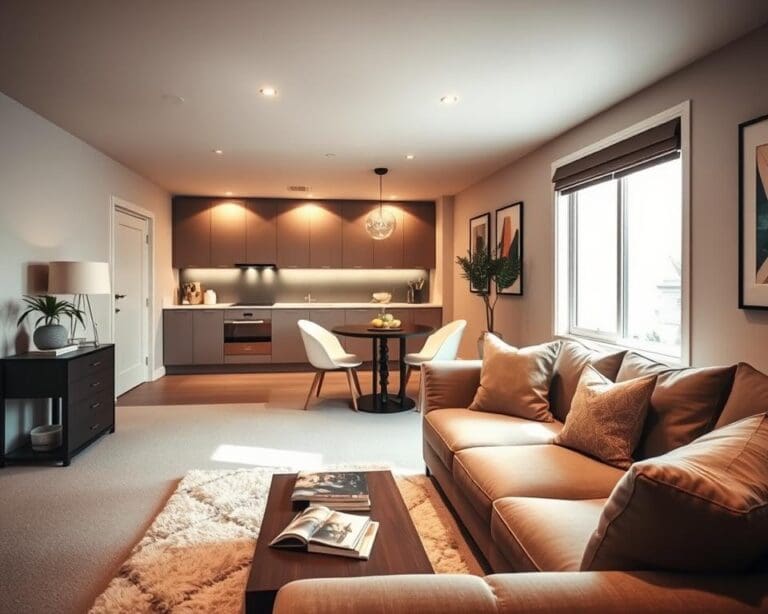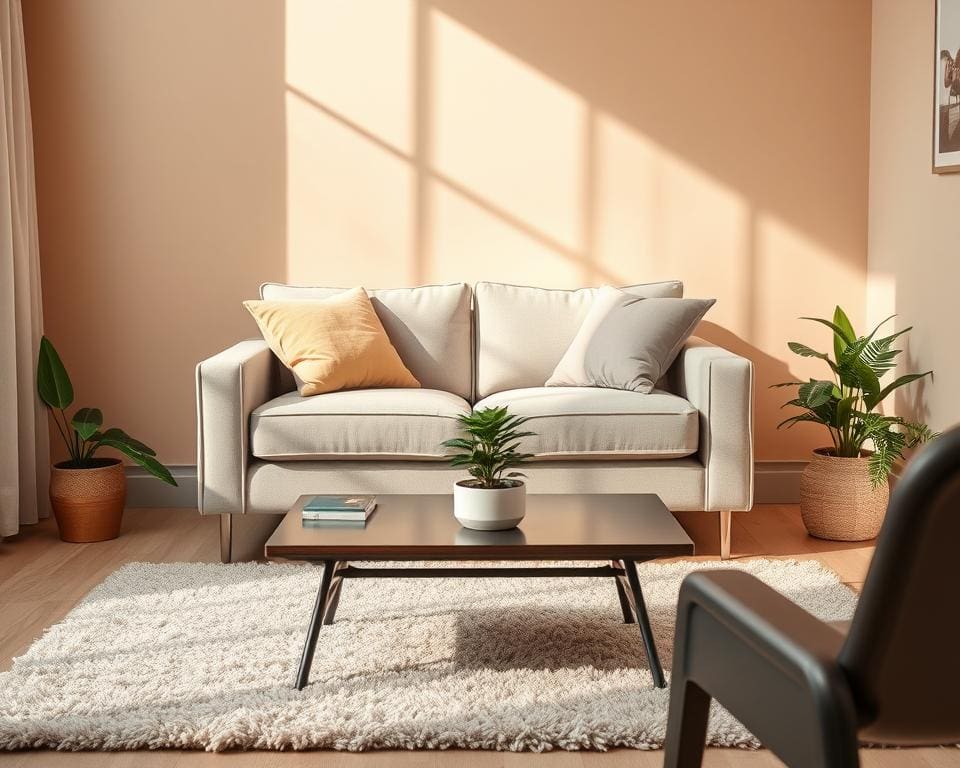
The best small living room sofa fits your available floor space without limiting comfort. It should offer good support for everyday sitting and leave enough room to move around with ease.
Appearance matters, but it should not guide your choice alone. Before you buy, check the room’s measurements, doorways and walking routes. Think about how many people need seats, whether you need storage and how the upholstery will cope with daily use.
A compact sofa may be the right choice, but smaller does not always mean better. A deep frame, high back or bulky arms can make a room feel crowded. Check the full dimensions, including cushions, feet, arms and any sofa-bed mechanism.
Compact two-seater sofas, armless designs, low-profile models and small corner sofas can all work well. A chaise or modular design may suit an awkward layout, while a space-saving sofa for a flat can combine comfort with useful flexibility.
To make your room feel larger, keep walkways clear and avoid blocking windows or natural light. Lighter upholstery, slim shapes and carefully chosen small home furniture can also improve the sense of space.
Choosing the right small living room sofa for your space
Choosing a sofa starts with the room, not the shop. Careful sofa measurements help you protect floor space and create a calm living room layout. Use this sofa size guide alongside your own measurements.
Measure your living room before you shop
Measure the room’s length and width. Record alcoves, chimney breasts, radiators, windows and doors. Note the direction of each door swing. These fixed features can reduce your usable space and change your small lounge dimensions.
Mark the proposed sofa footprint with masking tape, newspaper or cardboard. Include the arms and back, not just the seat. This simple test supports compact furniture planning and shows how much floor space will remain.
Measure the distance between the sofa and nearby furniture. Leave enough room to reach doors, windows, cupboards and sockets. Allow about 60–90 cm for comfortable living room circulation where people pass often.
Consider sofa width, depth and height
Record the maximum sofa width, depth and height your room can take. Do not rely on terms such as “small” or “compact”, since sizes vary between retailers. Compare each option with your own sofa measurements.
A sofa width that suits one wall may block a doorway in another room. Check the full compact sofa dimensions, including arms and rear cushions. Ask whether the listed sofa depth includes the back cushions. Removable cushions can change the usable seating area.
Your seating position matters. A deeper sofa may support relaxed lounging, while a shallower model can preserve floor space in a narrow room. A low sofa may make the room feel open, yet its seat height can be less suitable if standing is difficult.
Use small two-seater dimensions as a starting point, not a fixed rule. Measure for a coffee table, side table or nesting table only when you need one. Each extra piece affects movement and the overall living room layout.
Plan walking routes and door access
Good furniture access starts before delivery. Measure doorframes, corridor widths, stair turns and lift entrances. Record skirting board depth, radiator positions and any tight corners that may limit the route.
Compare these sofa delivery measurements with the retailer’s package size. The sofa may fit the room but fail to pass through a doorway. Check whether the legs, arms or cushions can be removed. A modular or flat-pack design may suit a narrow hallway sofa route.
Draw the planned route from the entrance to the room. Measure the tightest point, including bends. This helps you judge whether the sofa can travel safely through the home without damaging walls, doors or furniture.
Space-saving sofa styles for compact homes
Compact rooms need seating that works with the layout, not against it. The right design can leave room for movement, storage and a small table. Look for clear dimensions, practical proportions and a shape that suits your daily routine.
Compact two-seater sofas
A small two-seater sofa suits studios, flats, small terraces and living rooms where a large sofa could dominate the layout. This compact settee gives one or two people a comfortable place to sit without taking over the room.
A two-seater sofa for flats can preserve a clear walkway or sit beneath a window. Pair it with a lightweight accent chair, folding chair or upholstered footstool when you need extra seats. This approach gives you useful small lounge seating without a fixed, crowded arrangement.
Check the full width and seat dimensions before you buy. A two-seater has no universal size, so designs can vary between retailers. Slim arms tend to increase usable seat width, while standard or generous arms create a fuller look and deeper cushions may need more floor space.
A narrow sofa can work well in a tight alcove or beside a doorway. Choose raised legs if you want to show more floor beneath the frame. This can make the room feel more open and lets you clean beneath the sofa with less effort.
Armless and low-profile sofas
An armless sofa creates a clean outline and can make a small room feel less enclosed. It works well with a simple side table, a floor lamp or a compact footstool. A low-profile sofa has a similar effect, since its lower frame leaves more visual space above it.
Choose a minimalist small sofa when you prefer calm lines and limited visual bulk. A slim sofa can provide useful seating along a wall without blocking shelves or artwork. Check the back height if you plan to place it beneath a window or wall-mounted radiator.
Space-saving seating should still support your posture. Test the seat depth, cushion firmness and back angle where possible. A neat shape is useful, yet everyday comfort matters just as much.
Small corner sofas and chaise designs
A small corner sofa can turn an unused corner into comfortable seating. It keeps the centre of the room clear and gives you a defined area for relaxing. Measure both walls, the sofa depth and the space needed for doors or drawers.
A compact chaise sofa gives you room to stretch out without the footprint of a full corner suite. Check which side the chaise occupies before ordering. A reversible design gives you more freedom if you change the layout later.
An L-shaped sofa for small room layouts can provide useful corner seating for two or three people. For a larger household, a small sectional sofa may offer more seats without spreading across every wall. Keep the arms and back low if you want the shape to feel lighter.
Modular sofas for flexible seating
A modular sofa can adapt as your needs change. Move separate sections into a straight sofa, corner arrangement or relaxed chaise layout. This makes it a flexible small sofa for renters, home workers and households that use one room for several purposes.
Look for firm connectors and modules that are easy to lift. A sectional sofa with separate pieces can pass through narrow stairways more easily than one large frame. Check each module’s width before delivery, since corridors and lifts may limit access.
Modular furniture for flats works best when each piece has a clear role. Use a central section for daily seating, an ottoman as a footrest or a corner unit for extra support. This creates adaptable seating without committing to one permanent arrangement.
Comfort, materials and practical features to consider
A compact sofa should feel good from the first sit, yet comfort means more than soft padding. Your choice must support daily habits, suit every user and cope with limited space. Think about posture, fabric, care and extra functions before you buy.
Choose supportive seating for everyday use
A comfortable small sofa should support you while reading, working, watching television or sitting for several hours. A supportive sofa helps you keep a natural posture without forcing you to lean back or perch on the front edge.
Test the seat height, depth and back angle in person. Your feet should rest securely on the floor, with your knees at a comfortable level. Taller household members may need a deeper seat, while older people may prefer a higher base.
Check the sofa seat support beneath the cushions. Foam usually feels firm and structured, while fibre gives a softer look and can be shaped with ease. Feather filling feels relaxed and comfortable, yet it needs regular plumping to keep its form.
Firm sofa cushions may suit people who want stable support for work or reading. Cushion construction, suspension and frame quality affect comfort and durability. Read the product details instead of judging the sofa by its appearance alone.
Removable seat and back cushions can be useful. You can rotate or reshape them to spread wear. Check that the covers fit securely and will not move during everyday use. A showroom visit gives you a useful first impression, but care guidance and warranty terms need equal attention.
Select durable, easy-care upholstery
Your everyday living room sofa faces spills, dust and repeated use. An easy-care sofa fabric can save time in a busy home. Look for clear cleaning instructions and check whether the material needs specialist treatment.
Durable upholstery should suit the people who use the room. A stain-resistant sofa may be a sensible choice if you have young children, pets or frequent visitors. A family-friendly sofa should feel pleasant while standing up to regular cleaning.
Removable sofa covers make washing and seasonal changes simpler, if the care label permits machine washing. Check the fastening system, spare cover availability and drying instructions. A cover that shrinks or loses its shape may create more work than it saves.
Woven fabrics can hide small marks, while smooth textures may suit a cleaner, calmer look. Ask about colourfastness if the sofa will sit near a sunny window. The right material should balance comfort, cleaning needs and the level of wear in your home.
Use sofa beds and storage sofas when space is limited
A small sofa bed can provide a guest sleeping area without taking up extra floor space. A compact sofa bed may suit a narrow lounge, studio or spare room. Check its open length, mattress support and clearance before placing an order.
If you need a sofa bed for a flat, measure stairwells, lifts and doorways as well as the room. Check how the mechanism opens, since a design that blocks the main walkway may prove difficult to use each night.
A storage sofa can hold blankets, books or spare cushions beneath the seat. This type of multifunctional furniture helps reduce clutter in a small home. Lift-up storage needs enough room to open fully, so leave space around the frame.
Choose a mechanism that feels simple and secure. Try opening and closing it in a showroom, if possible. Confirm the weight limit, mattress dimensions and warranty before relying on it for regular sleeping.
Match the sofa’s colour and shape to your room
Colour affects how open a compact room feels. A pale small room sofa colour can reflect light and support a calm scheme. A light sofa for compact room layouts may make the floor area seem more open, especially when paired with slim legs.
A neutral sofa in grey, cream or warm beige can work with changing décor. Add colour through cushions, throws and artwork rather than choosing a bold permanent shade. This approach can preserve visual space while keeping the room personal.
Consider the sofa shape as carefully as its measurements. Rounded arms may soften a room, while straight lines can make better use of a narrow wall. Raised legs reveal more floor beneath the frame, which can make the setting feel less crowded.
How to make a compact living room feel larger
To make a small living room look bigger, keep the main walkway clear from the entrance to the rest of your home. Place the sofa against a suitable wall where possible, but avoid pushing every item to the edges if this makes the layout feel disconnected. A clear route and balanced furniture arrangement will improve both comfort and visual space.
Choose furniture with visible legs or a raised base to show more floor area. A slim-legged, glass, nesting or lift-top coffee table can add useful function without closing in the seating zone. For further guidance on choosing the right proportions, explore this sofa planning guide.
Mirrors can reflect daylight and create a stronger sense of depth. Position one opposite a window, lamp or attractive feature. Keep windows clear, with neat curtains or blinds close to the recess. Similar tones across the sofa, walls, flooring and soft furnishings support calm compact room styling, while one accent colour adds focus.
Good small lounge ideas also include baskets, wall-mounted shelves and furniture with hidden storage. Keep the floor clear and use layered lighting from ceiling, wall, floor or table fittings where space allows. In a space-saving living room, one well-sized sofa and a few useful pieces will feel calmer than several small items competing for attention.